National Dish Rwanda: Ubunyobwa (Recipe)
In this article
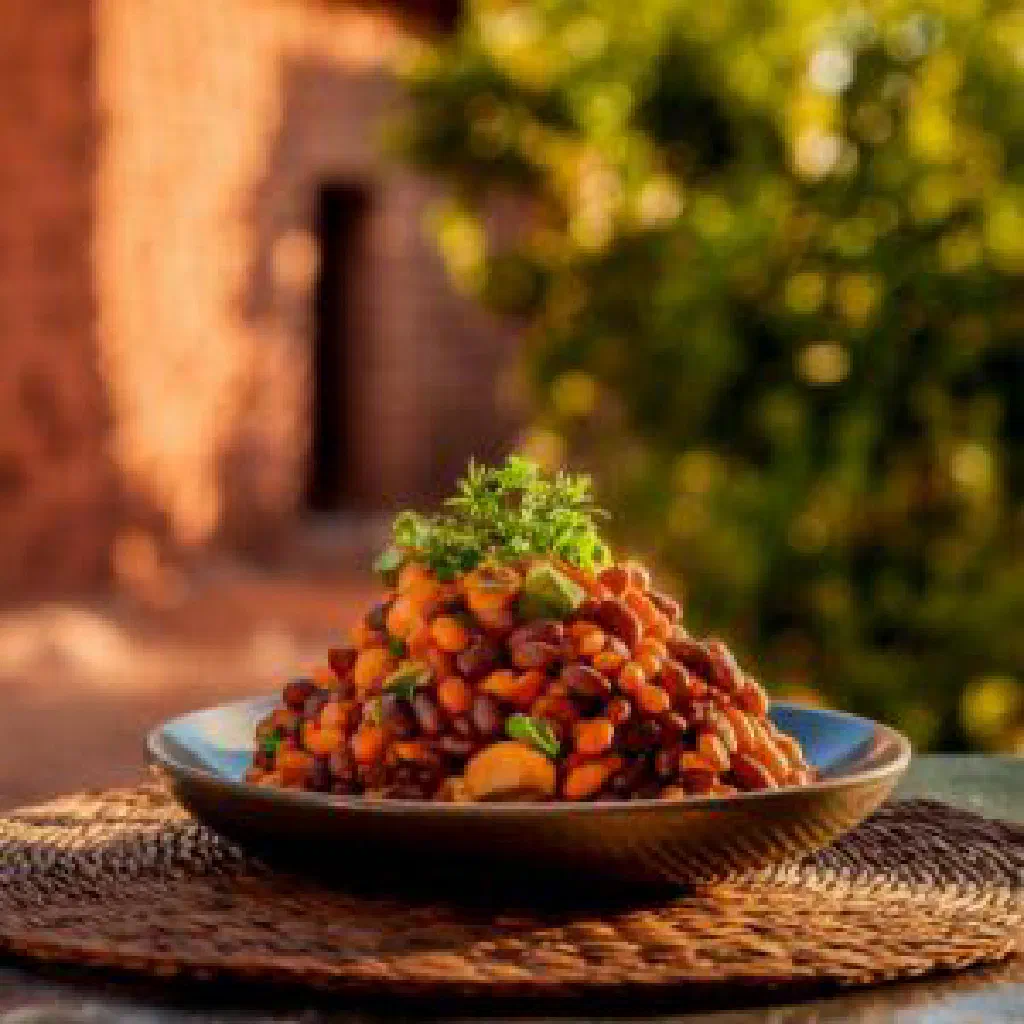
Meet Ubunyobwa, a comforting national dish from Rwanda that turns a handful of humble pantry staples into something genuinely special. Built around soft black beans and creamy maize meal, it is simple to make yet full of warm, earthy flavour. Naturally suited to vegans and to anyone avoiding gluten or lactose, this is honest, nourishing food that carries the spirit of Rwandan hospitality straight to your table.
About Ubunyobwa
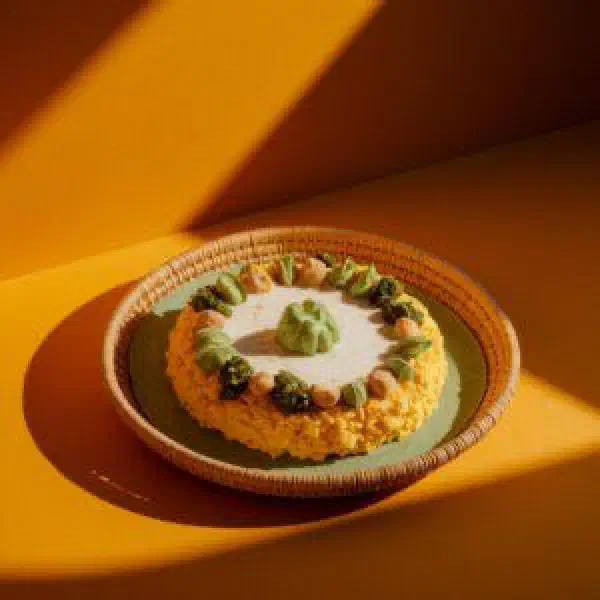
Ubunyobwa is more than a meal. It is a symbol of Rwandan culture and hospitality. It brings together the flavours of fresh maize and beans, two ingredients found in kitchens all across Rwanda. At celebrations and special gatherings it is often served as a centrepiece side to impress visitors. The preparation could hardly be simpler, yet the taste is unmistakable, delivering the heart of African cooking right onto your plate.
Ingredients (serves 1–2)
- 200 g maize meal
- 100 g black beans
- 1 onion, diced
- 2 cloves garlic, chopped
- 500 ml water
- Salt and pepper, to taste
Shopping for the ingredients
The ingredients for Ubunyobwa are easy to find in many African grocers or larger supermarkets. Look out for good-quality maize meal and fresh beans, as these are the backbone of the dish. For a truly authentic result, it is worth seeking out regional products where you can. Trying a few different varieties of bean is a rewarding way to discover the combination you like best.
Preparing the dish
Making Ubunyobwa rewards a little advance preparation. Begin by soaking the beans in water overnight so they soften nicely during cooking. The next day, rinse the beans and simmer them in fresh water for around 30 minutes. This helps them reach the perfect texture and lets their flavour develop fully before you move on to the main part of the recipe.
Step-by-step instructions
- Bring the water to the boil in a pan.
- Add the maize meal slowly, stirring well to avoid any lumps.
- Stir in the pre-cooked beans along with the onion and garlic.
- Season with salt and pepper and let it simmer for a further 10 minutes.
- Keep stirring over low heat until the mixture reaches a smooth, creamy consistency.
Gluten-free / lactose-free version
One of the great advantages of Ubunyobwa is that it is naturally gluten-free and lactose-free. The dish can be enjoyed with complete confidence by anyone with food intolerances. If you would like to build in extra flavour, reach for gluten-free spices or stocks. That way the dish stays tasty and wholesome and gentle on every guest.
Tips for vegans and vegetarians
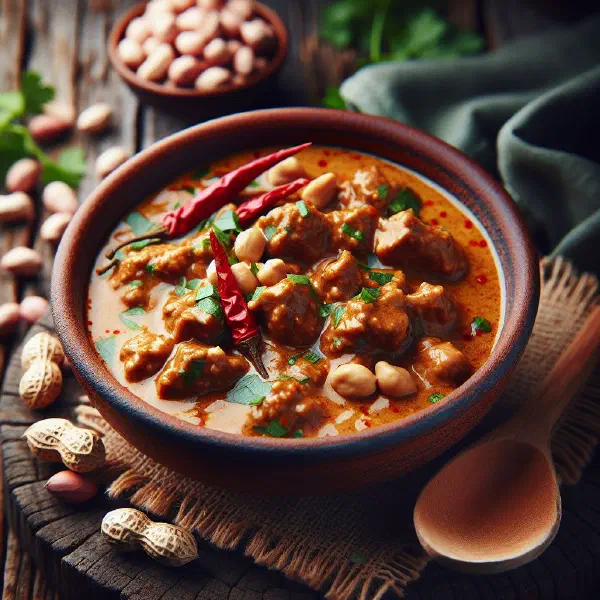
Ubunyobwa is a brilliant choice for vegans and vegetarians, as it contains no animal products at all. To make it even more nourishing, you can stir in extra vegetables such as spinach or carrots. These add colour, texture and nutrients without taking away from the original flavour. On special occasions, a little avocado makes a lovely garnish, lending the dish a creamy finish much like a hearty Groundnut Stew.
More tips and tricks
A touch of creativity can make preparing Ubunyobwa even more enjoyable. Experiment with different spices to tune the flavour to your own liking. Parsley or coriander stirred in after cooking adds a welcome hit of freshness. For a rustic touch, serve the dish straight from a cast-iron pan, which holds its heat well and makes for an appealing presentation.
Adapting the recipe to your taste
If you do not have black beans to hand, other varieties such as kidney beans or white beans work just as well. These alternatives offer similar nutrition and can gently vary the flavour of the dish. You can also try different types of maize meal, swapping to suit whatever is available or to match your preference. In the end, it all comes down to your own taste.
Ingredient substitutions
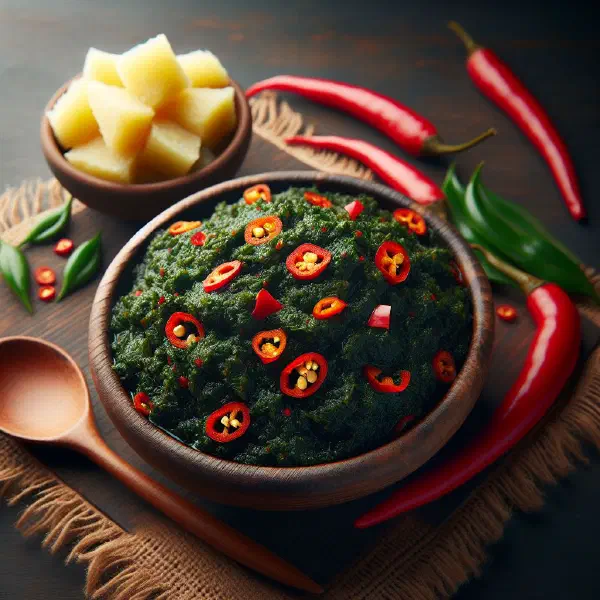
Should certain ingredients be missing, there is plenty of room to improvise. Beyond the beans, the maize meal itself can be varied, a finer or coarser grind will change the texture of the finished dish, much as it does in other Rwandan staples like Isombe. Choosing regional produce or seasonal alternatives lets you adapt the recipe freely while keeping its comforting character.
Drink pairing ideas
Many drinks pair beautifully with Ubunyobwa and round off the eating experience. Traditionally, a fresh fruit juice made from local fruits would be served alongside. Alternatively, a warming herbal tea or a light white wine make suitable companions. Try a few different combinations to find the ideal pairing, one that appeals to your guests and lifts the dish.
Serving and presentation ideas
An attractive presentation of Ubunyobwa can noticeably improve the whole meal. Serve it on a large platter, decorated with fresh herbs or edible flowers. A contrasting side, such as a spicy sauce, can be placed in a small bowl next to the main dish. This kind of presentation whets the appetite and gives your guests something to talk about.
A bit of history
The story of Ubunyobwa reaches back into the traditions of Rwanda’s ancestors. It was often prepared to feed the whole community, strengthening bonds and a sense of togetherness. The dish stands for nourishment and prosperity, reflecting the farming practices of the country. Shaped by various cultural influences, the recipe has evolved across the generations and remains an important part of Rwandan identity, and of Rwandan cuisine, to this day.
More recipe ideas
Summary: Ubunyobwa
In short, Ubunyobwa is a hearty, nourishing dish that captures the flavours of Rwanda. It is easy to prepare and can be adapted to suit all kinds of tastes and dietary needs. It is a delicious way to enjoy the local cuisine. Give it a try on your next culinary adventure and let the traditions of Rwanda win you over.