National Dish São Tomé and Príncipe: Bolo de Coco (Recipe)
In this article
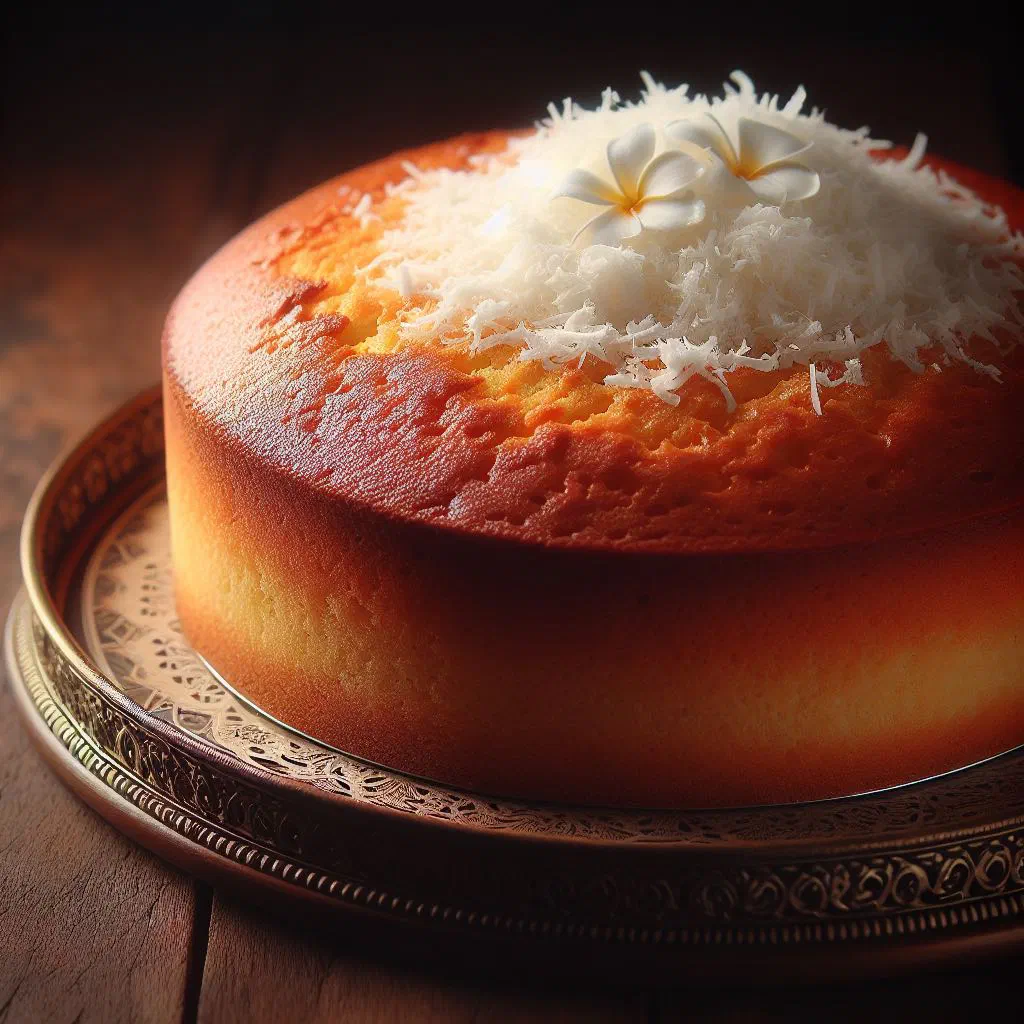
Meet Bolo de Coco, the fragrant coconut cake that islanders of São Tomé and Príncipe bake for birthdays, christenings and lazy Sunday afternoons alike. Freshly grated coconut gives the crumb a moist, almost custardy bite, while the buttery batter carries that unmistakable tropical sweetness. It is a simple bake with an outsized reward, a slice tastes like sunshine on a plate, and it comes together with ingredients most kitchens already have.
About Bolo de Coco
Bolo de Coco is a traditional coconut cake that enjoys near-universal affection across São Tomé and Príncipe. Fresh coconut lends it both a distinctive texture and an intense flavour that appeals to anyone with a fondness for tropical aromas. The cake is often reserved for special occasions and remains a fixture of the local kitchen. Bolo de Coco is always a pleasure.
Ingredients (serves 1–2)
- 100 g fresh coconut, grated
- 100 g sugar
- 2 eggs
- 80 ml milk
- 50 g butter, melted
- 150 g plain flour
- 1 tsp baking powder
Shopping for the ingredients
To make Bolo de Coco, your best bet is a well-stocked supermarket or a market where fresh coconuts are sold. If you cannot track down a fresh one, desiccated coconut works too and still delivers a wonderfully fragrant result. Choose good-quality ingredients so the cake achieves the best possible texture and taste. The eggs matter most of all, the fresher they are, the better the flavour, a principle that applies just as much to a batch of Bolinhos de Mandioca.
Preparing the dish
Before you start baking, weigh out and prepare everything you will need. It helps to grate the coconut first if you are working with a fresh one, since this is what gives the cake its lovely moist crumb. Melt the butter in advance so it blends evenly with the remaining ingredients. Good preparation is the key to a smooth, quick process, and to enjoying this delicious cake without much fuss.
Step-by-step instructions
- Preheat the oven to 180°C and grease a small cake tin.
- In a bowl, beat the eggs with the sugar until pale and foamy.
- Add the melted butter and the milk, then stir until well combined.
- In a second bowl, mix the flour, the baking powder and the grated coconut.
- Fold the dry ingredients into the egg mixture and stir until you have a smooth batter.
- Pour the batter into the prepared tin and bake for roughly 30–40 minutes.
- Test with a skewer to check the cake is done, then leave it to cool completely.
Gluten-free / lactose-free version
Adapting Bolo de Coco to be gluten-free and lactose-free is straightforward: simply use a gluten-free flour blend. Make sure you also reach for gluten-free baking powder so the crumb rises as it should. For the milk, substitutes such as coconut milk or almond milk work beautifully and add an extra tropical note. That way the cake stays within reach for anyone avoiding gluten as well as those cutting out lactose.
Tips for vegans and vegetarians
For a vegan version of Bolo de Coco, replace the eggs with apple sauce or mashed banana. Both provide the moisture the batter needs along with a gentle natural sweetness. The butter can likewise be swapped for a plant-based alternative such as margarine or coconut oil. With these simple adjustments the cake remains entirely plant-based while keeping its rich flavour and beautifully moist texture.
More tips and tricks
A few easy tricks will noticeably improve the flavour and texture of your Bolo de Coco. Adding a splash of vanilla extract, for instance, rounds out the aroma. A handful of chocolate chips stirred through the batter makes for an interesting variation. And consider dusting the cooled cake with icing sugar for an elegant finish and a touch more sweetness.
Adapting the recipe to your taste
The recipe adapts readily to personal preference. If you fancy a chocolate version, simply add cocoa powder to the batter and enjoy the pairing of coconut and chocolate. You can also fold in nuts or dried fruit for extra texture and depth, much as you would with a Bolo de Abobora.
Ingredient substitutions
If you cannot get hold of specific ingredients such as fresh coconut, packaged grated coconut does the job nicely. Choose unsweetened varieties for the best flavour balance. The sugar can be replaced with natural sweeteners such as agave syrup or honey for a slightly lighter option. Thoughtful substitutions let you make the cake more plant-based or more wholesome without giving up any of its charm.
Drink pairing ideas
To pair your dessert with the right drink, fresh fruit juices or a good coffee are the obvious choices. A fine espresso complements the cake superbly and brings the coconut notes forward. Alternatively, serve coconut water or iced tea, both of which suit the tropical character of Bolo de Coco. These combinations make any coffee break or celebration that little bit more enjoyable.
Serving and presentation ideas
How you present your Bolo de Coco has a real influence on the overall experience. Serve the cake on a handsome serving plate and garnish it with fresh fruit or mint for a splash of contrasting colour, a trick that works equally well with a bowl of Doce de Coco. A simple dusting of icing sugar lends an elegant touch. Colourful placemats or a bright tablecloth will round off the presentation and impress your guests.
A bit of history
The roots of Bolo de Coco run deep through the history of São Tomé and Príncipe, where the coconut has long played an important role in both agriculture and daily nourishment. The cake reflects the tropical flavours and cultural crosscurrents of the region, and in many families the recipe has been handed down for generations as a symbol of celebration and community. Baking and sharing it brings people together and honours the rich culinary tradition of these islands, a tradition explored further across São Toméan cuisine.
More recipe ideas
Summary: Bolo de Coco
In short, Bolo de Coco is a delicious and versatile coconut cake that is easy to make and brings a piece of tropical flair to any kitchen. With so many ways to adapt it, everyone can create their own personal version. Let the flavours of the islands work their magic and treat yourself to a slice of this traditional favourite.