National Dish São Tomé and Príncipe: Canja de Galinha (Recipe)
In this article
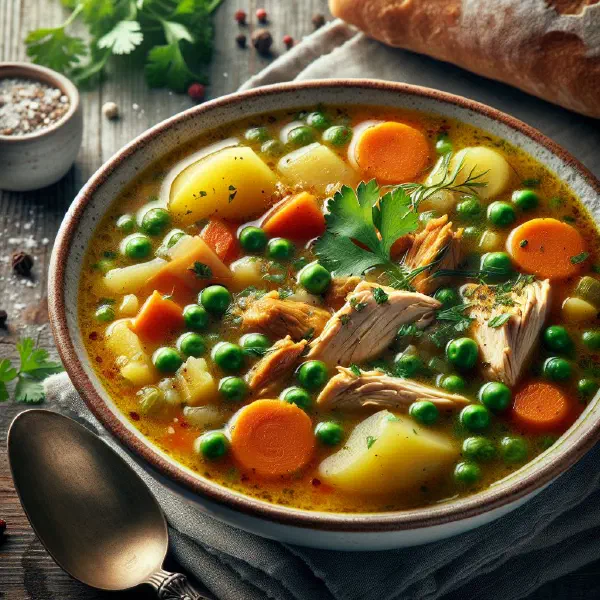
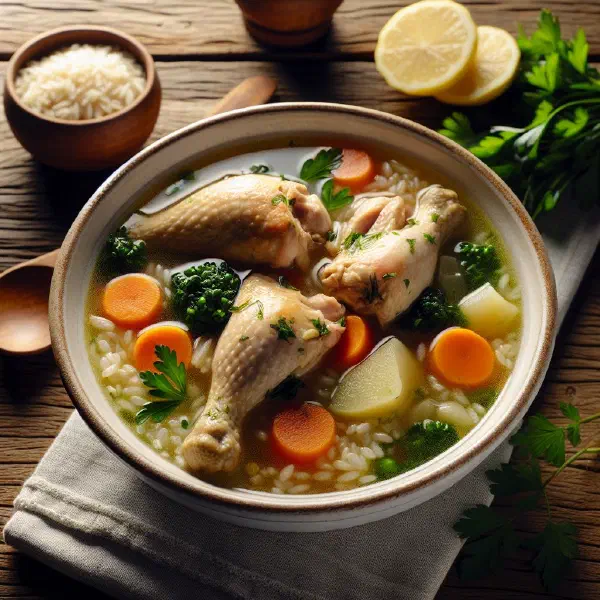
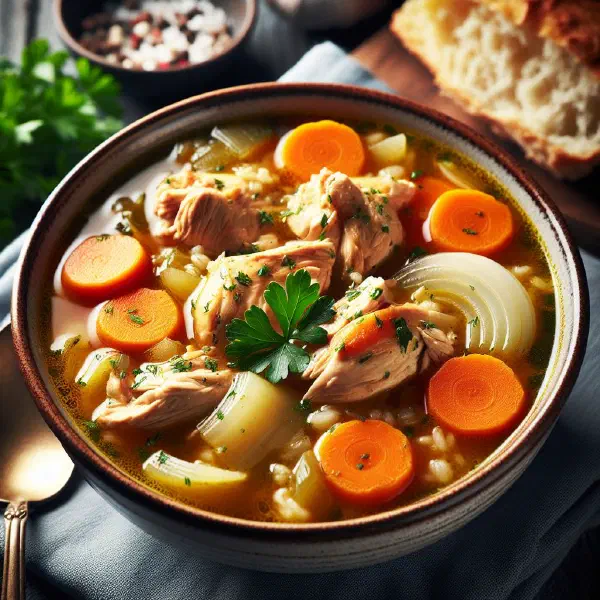
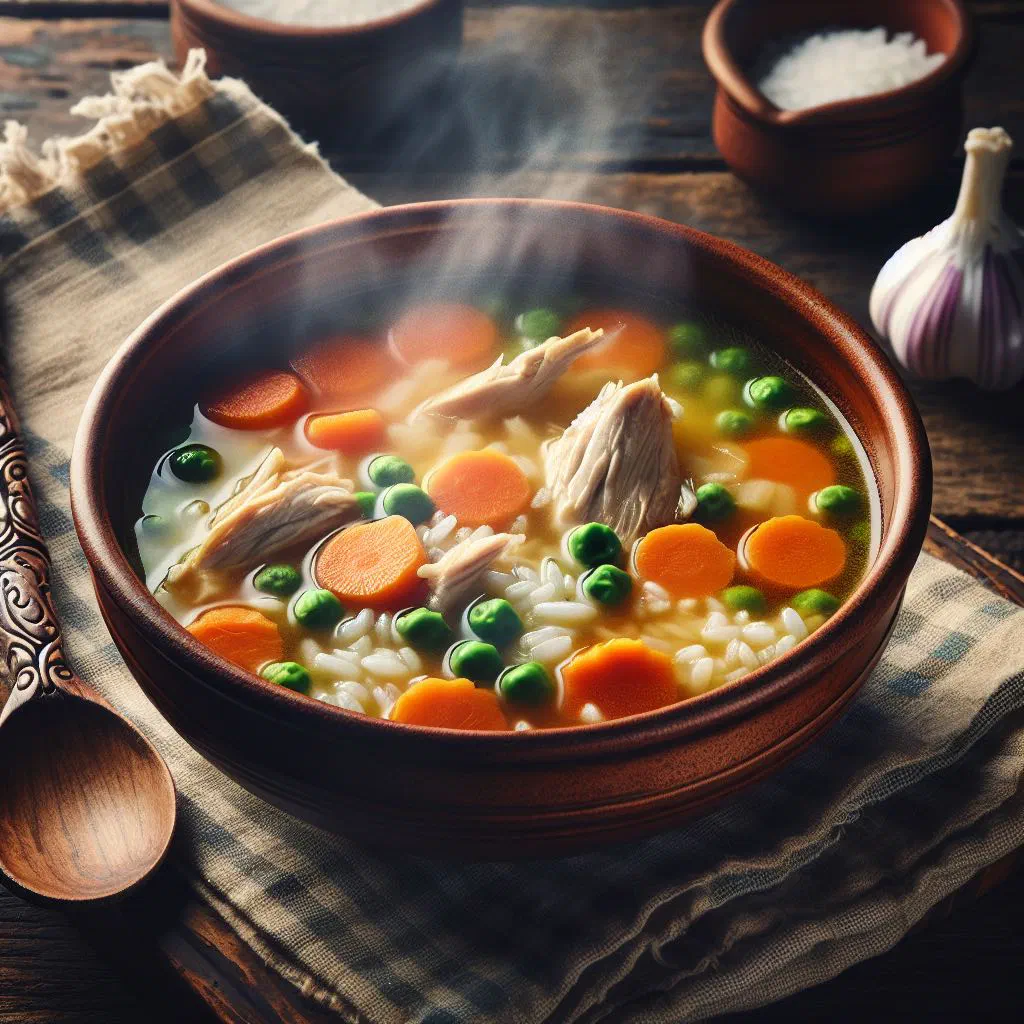
Few dishes say home quite like Canja de Galinha, the gentle chicken and rice soup that warms kitchens across São Tomé and Príncipe. Simmered slowly with onion, garlic and fresh herbs, it is the sort of bowl handed to anyone feeling under the weather, and to everyone else simply because it tastes so good. Light yet deeply nourishing, it carries the quiet comfort of the islands in every spoonful.
About Canja de Galinha
Canja de Galinha is a traditional chicken soup that captures both the warmth and the variety of São Tomé and Príncipe’s cooking. It is made regularly in households across these Portuguese-speaking islands and is prized for its soothing, restorative character. On cool or rainy days it offers more than heat alone: for many islanders the aroma is bound up with childhood memories. Fresh chicken, fragrant herbs and simple vegetables come together in a bowl that is modest in appearance and generous in flavour.
Ingredients (serves 1–2)
- 250 g chicken breast fillet
- 1 medium onion
- 2 cloves of garlic
- 1 carrot
- 50 g rice
- 2 litres water
- Fresh parsley
- Salt and pepper, to taste
Shopping for the ingredients
When shopping for Canja de Galinha it pays to focus on quality rather than quantity, since the recipe has nowhere to hide. Fresh chicken from a trusted butcher gives both a cleaner flavour and a more wholesome meal. Fresh herbs and firm, seasonal vegetables matter just as much, as they carry the aromatic backbone of the soup. Local markets and organic grocers are usually the best places to find produce at its peak.
Preparing the dish
Begin by cutting the chicken breast into small, even pieces, then peel and finely chop the onion and garlic. Dice the carrot small so that it softens at the same rate as everything else in the pot. Wash and prepare all the ingredients before you light the hob, once the water is simmering, the cooking itself moves quickly.
Step-by-step instructions
- Bring the water to the boil in a large pan and add the chicken.
- After about 10 minutes, add the chopped onion and garlic.
- Stir in the diced carrot and the rice.
- Let everything simmer over medium heat until the rice is tender.
- Season with salt, pepper and plenty of fresh parsley.
- Rest the soup for a few minutes before serving so the flavours settle.
Gluten-free / lactose-free version
Canja de Galinha is naturally gluten-free and lactose-free, which makes it an easy choice for anyone with intolerances. Do check the labels on any seasonings or stock you use, though: some stock cubes and instant products contain gluten-based additives. Building the soup from fresh, unprocessed ingredients guarantees a nourishing bowl that sits comfortably with almost every diet.
Tips for vegans and vegetarians
Although Canja de Galinha is traditionally made with chicken, the recipe adapts readily for vegan and vegetarian cooks. Replace the meat with chickpeas or firm tofu for a comparable bite, and use a good vegetable stock in place of the chicken broth. Courgette or peppers add extra depth, much as they do in a Caril de Legumes. The result is lighter but no less satisfying.
More tips and tricks
A few small habits lift this soup considerably. A squeeze of lemon or lime juice just before serving brightens the whole bowl and cuts through the richness of the broth. Keep the heat gentle rather than fierce, a rolling boil toughens the chicken and clouds the stock. Scattering extra fresh herbs or a handful of croutons over each portion adds texture and makes the dish look far more considered.
Adapting the recipe to your taste
Canja de Galinha takes happily to personal tweaks. If you like heat, add chilli flakes or a fresh chilli early in the simmer. For a richer, rounder soup, stir in a little coconut milk towards the end, a trick borrowed from island dishes such as Moqueca de Peixe. Every household has its own version, and playing with the ingredients is very much part of the tradition.
Ingredient substitutions
If something is missing from the cupboard, there are plenty of workable swaps. Quinoa or buckwheat can stand in for the rice and bring a slightly nuttier note. Leafy greens such as spinach or chard, added in the final minutes, boost the nutritional value without altering the character of the soup. Beans work well too, in the spirit of Arroz com Feijão.
Drink pairing ideas
The right drink noticeably improves a bowl of Canja de Galinha. A light, fruity option such as lemonade or a white sangria sits nicely against the savoury broth. If you prefer beer, a well-chilled dry lager complements the soup without overwhelming it. For an alcohol-free pairing, fresh juices or lightly flavoured waters keep things clean and refreshing.
Serving and presentation ideas
Presentation matters even for a humble soup. Ladle it into wide, shallow bowls and finish with fresh parsley or a sprig of coriander. A couple of lemon slices on the rim look attractive and let each guest adjust the acidity themselves. Serve it properly hot, Canja de Galinha loses much of its charm once it cools.
A bit of history
Canja de Galinha has a long tradition in Creole cooking and is known well beyond São Tomé and Príncipe, in Portugal and Brazil alike. It began as restorative food for the unwell and for expectant mothers, and it still carries that sense of care today. Passed down through generations, it reflects the African and Portuguese threads woven through São Toméan cuisine. Recipes vary from island to island, but the essence never changes: a hearty, nourishing soup made with attention.
More recipe ideas
Summary: Canja de Galinha
In the end, Canja de Galinha is far more than a simple chicken soup. It is a short tour into the culture and traditions of São Tomé and Príncipe. With straightforward ingredients and an unhurried, affectionate approach to cooking, it delivers real comfort. This soup rarely fails to please. Let the flavours of the islands find their way onto your own table.