National Dish Saudi Arabia: Bajaj (Recipe)

In this article
Meet Bajaj, a hearty Saudi favourite built around tender, slow-cooked meat and a fragrant blend of warming spices. Traditionally served at family gatherings and special occasions, it turns a handful of humble ingredients into a rich, aromatic feast. With cumin, coriander and a whisper of cinnamon perfuming every bite, this is the kind of dish that brings people together around one generous platter. Bring the warmth of an Arabian table straight to your own kitchen.
About Bajaj
Bajaj is a traditional Saudi Arabian dish celebrated for its deep, savoury flavour. It is often served as a celebratory meal and is a firm favourite at family get-togethers and special occasions. The combination of tender meat and a carefully chosen mix of aromatic spices makes it a memorable taste experience. More than just a culinary pleasure, bajaj speaks volumes about the rich food culture of Saudi Arabia and its long tradition of hospitality.
Ingredients (serves 1–2)
- 300 g beef or lamb, cut into cubes
- 2 onions, chopped
- 2 cloves garlic, chopped
- 1 tsp cumin
- 1 tsp ground coriander
- 1 tsp paprika
- 1 tsp cinnamon
- 2 cups stock (beef or vegetable)
- 1 tbsp olive oil
- Salt and pepper, to taste
Shopping for the ingredients
When shopping for bajaj, look for fresh, good-quality produce. Visit a local market or butcher to find the best meat for the dish. The spices are the heart of the recipe, so it is worth investing in high-quality spices to draw out the full depth of flavour. Many of these ingredients are also available in a well-stocked supermarket, so putting everything together should be straightforward.
Preparing the dish
Preparing bajaj is simple and takes only a little time. Start by cutting the meat into evenly sized cubes and getting the onions and garlic ready. It helps to have all your ingredients prepared before you begin cooking, as this keeps the process smooth. A well-organised kitchen makes the whole experience more enjoyable and lets you work more efficiently.
Step-by-step instructions
- Heat the olive oil in a large pot and fry the onions and garlic until golden brown.
- Add the cubed meat and brown it well on all sides.
- Sprinkle over the spices — cumin, coriander, paprika and cinnamon — and stir everything together thoroughly.
- Pour in the stock and let the dish simmer gently over low heat for about 1–1.5 hours, until the meat is meltingly tender.
Gluten-free / lactose-free version
Bajaj is naturally gluten-free and lactose-free, as the main ingredients are simply meat and spices. Do take care, though, that the stock you use is also gluten-free, many ready-made stocks contain gluten, so it is worth reaching for a dedicated gluten-free brand. With these simple adjustments you can be sure that every guest is able to enjoy the dish.
Tips for vegans and vegetarians
For a vegan or vegetarian take on bajaj, swap the meat for a mixture of chickpeas and vegetables. This combination delivers a similar texture and makes an excellent source of protein. Use vegetable stock and add extra vegetables such as carrots, potatoes or peppers to build up the flavour. With the right spices, you can create a tasty meat-free dish that still captures the traditional character of bajaj.
More tips and tricks
To intensify the flavour of bajaj even further, try toasting the spices before adding them. This releases their aromas and lends the dish a deeper dimension of taste. Marinating the meat overnight can also help the flavours penetrate more fully. It is well worth experimenting with different vegetables, too, to bring more variety to the recipe.
Adapting the recipe to your taste
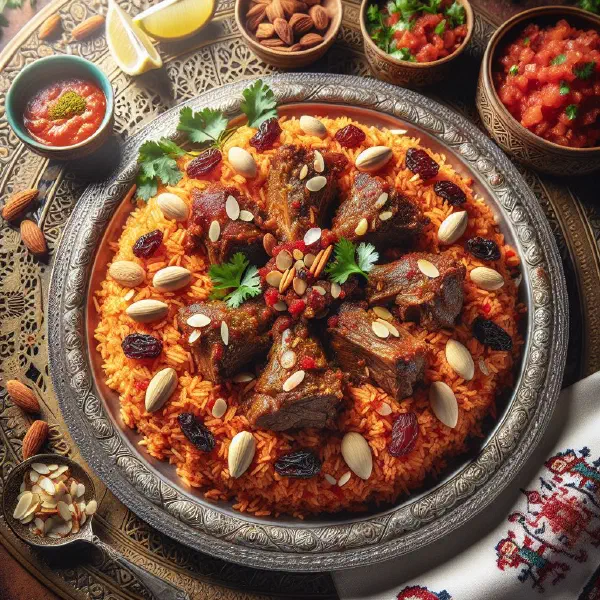
Bajaj is highly adaptable and offers plenty of scope for personalisation. If you like things spicier, add fresh chillies or a pinch of cayenne pepper. For a sweeter note, stir in some dried apricots or raisins. The same generous, meaty spirit runs through a classic like Mansaf.
Ingredient substitutions
If you are missing some of the spices from the list, there are often easy swaps that work well. Garam masala, for example, can stand in for cumin and creates an interesting flavour composition. Likewise, the meat can be replaced with tofu or tempeh for a protein-rich vegan version. Be adventurous and find the best alternatives for your own palate.
Drink pairing ideas
A range of drinks pairs beautifully with bajaj and underlines the dish’s savoury flavour. A refreshing mint tea is a wonderful choice, as it complements the spices perfectly, or try a fragrant Saffron Cardamom Tea for something a little more special. Alternatively, serve a light sparkling water or a fruity drink such as pomegranate juice. These options help to highlight the aromas in the dish while encouraging a convivial atmosphere at the table.
Serving and presentation ideas
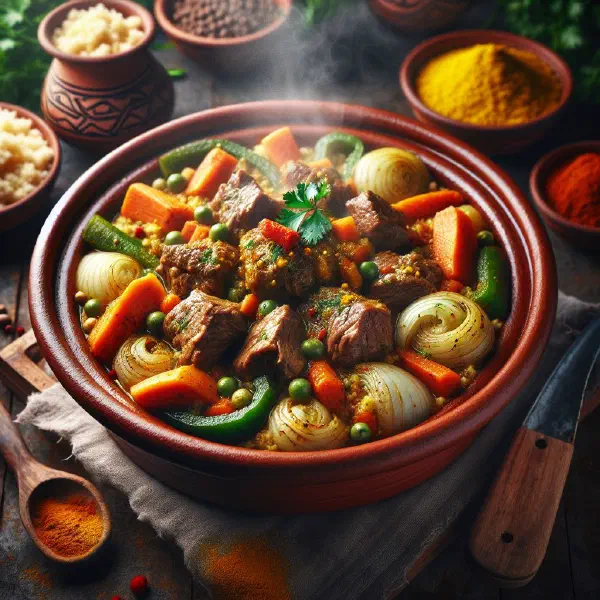
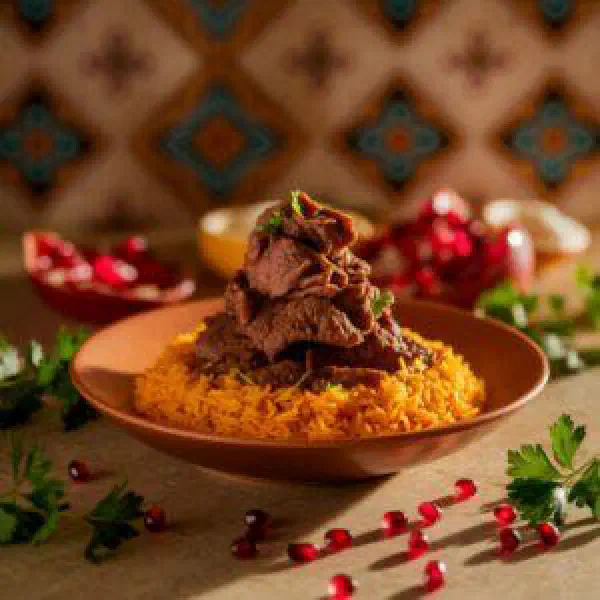
Presentation plays a big part in serving bajaj. Use large, shallow dishes and garnish the meat with fresh parsley or mint to create an appealing splash of colour. Serve it alongside an arrangement of rice or flatbread so your guests can enjoy every last drop of the delicious sauce. An attractive presentation is sure to build anticipation and add to the pleasure of the meal.
A bit of history
Bajaj has its roots in the traditional cooking methods of Saudi Arabia, where cooking over an open fire and using fresh ingredients has a long history. The dish has evolved over the centuries and given rise to regional variations. Religious and cultural customs are often woven into its preparation, making bajaj a symbol of hospitality and shared enjoyment. It is a dish passed down from generation to generation, carrying real cultural value and standing as a fine example of Saudi cuisine.
More recipe ideas
Summary: Bajaj
In summary, bajaj is a delicious and nourishing dish that brings together the flavours and the culture of Saudi Arabia in wonderful fashion. With the right ingredients and cooking methods, you can bring this taste of tradition into your own kitchen. It offers a superb way to explore traditional Saudi cooking and discover a little of its heritage. Let this recipe inspire you and experience the joy of cooking and sharing.