National Dish Saudi Arabia: Tharid bil Laham (Recipe)
In this article
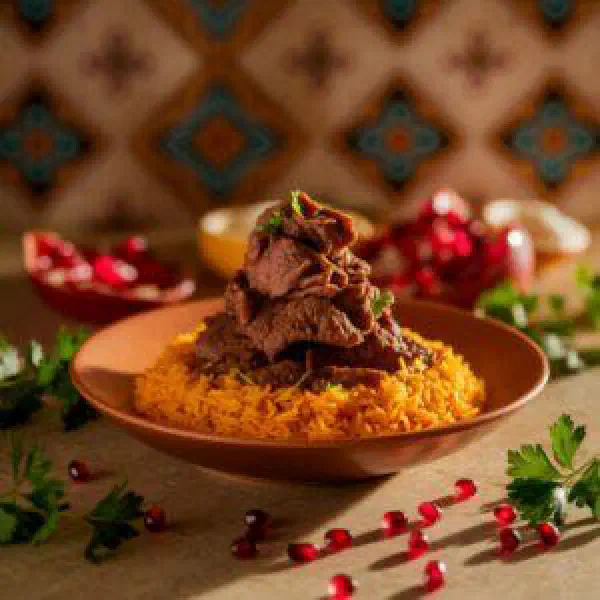
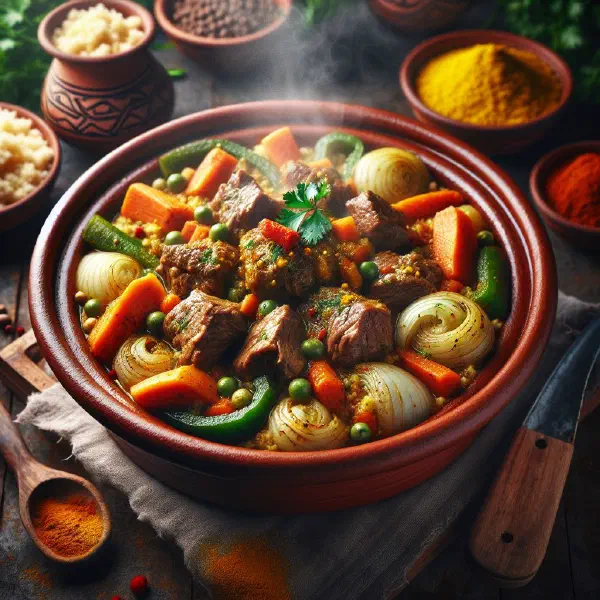
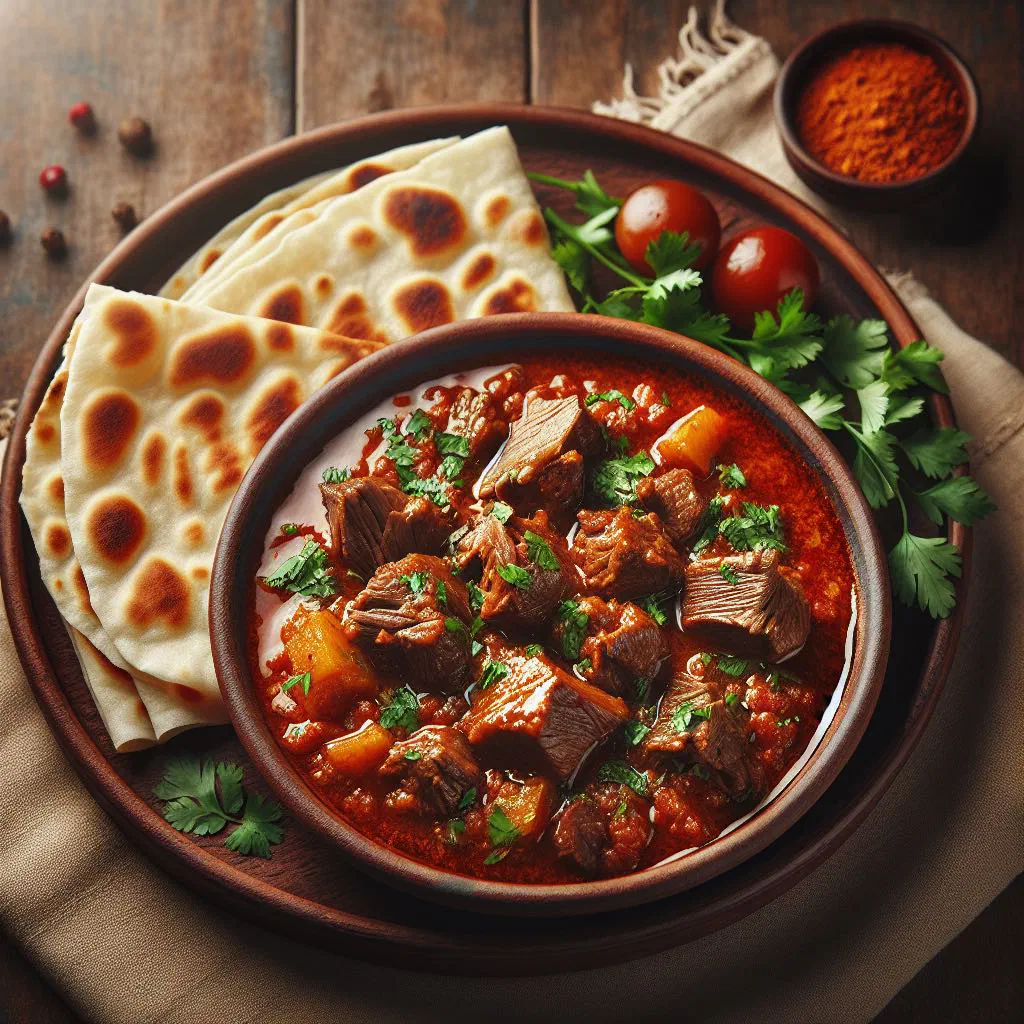
Meet Tharid bil Laham, one of Saudi Arabia’s most cherished traditional dishes. Layers of soft flatbread soak up a fragrant, slow-simmered broth studded with tender pieces of lamb and warming spices. Long a centrepiece of festive tables and family gatherings, it is a symbol of hospitality and togetherness. The way the bread melts into the rich stock while the meat falls apart at the touch of a fork makes every mouthful a comfort in itself, a true taste of Arabian home cooking.
About Tharid bil Laham
Tharid bil Laham is one of the best-known traditional dishes in Saudi Arabia, and it captures the country’s rich culinary heritage beautifully. It pairs tender pieces of lamb with spiced bread that is left to braise in an aromatic broth. The dish is frequently served at festive occasions and family celebrations, where it is a symbol of hospitality and community. The harmonious meeting of its different components creates an unmistakable eating experience that pleases both the palate and the heart.
Ingredients (serves 1–2)
- 300 g lamb (or veal)
- 2 large onions
- 2 cloves of garlic
- 1 teaspoon cumin
- 1 teaspoon cinnamon
- 4 cups vegetable stock
- 2 flatbreads
- Oil, for frying
- Salt and pepper, to taste
Shopping for the ingredients
When shopping for the ingredients for tharid bil laham, it is worth choosing fresh, good-quality meat, ideally from a butcher you trust. Your spices should be fresh too, so they deliver their full flavour. The onions and garlic ought to be crisp and firm. Where possible, reach for organic produce to bring the best aromas and nutrients to your dish.
Preparing the dish
Preparing tharid bil laham involves cutting the meat into even pieces and chopping the onions and garlic. This ensures that everything cooks evenly and has the chance to release its full flavour. Rice or another side can be prepared alongside to round out the meal. Good preparation is the key to a successful dish and keeps the whole process running smoothly.
Step-by-step instructions
- Heat the oil in a large pot and fry the onions and garlic until golden brown.
- Add the meat and sear it until it is nicely browned on all sides.
- Stir in the spices — cumin, cinnamon, salt and pepper — and mix everything together well.
- Pour in the vegetable stock and let it simmer for about 45 minutes, until the meat is tender.
- While the meat cooks, tear the flatbread into small pieces.
- Serve by arranging the bread on a platter and ladling the meat and its broth over the top.
Gluten-free / lactose-free version
Tharid bil Laham is easy to make gluten-free and lactose-free by using gluten-free bread or an alternative side. The meat and spices are naturally free from gluten, so the dish can be enjoyed without concern. Just make sure the stock you use is also free from gluten and lactose, so it suits anyone with allergies. That way every guest can tuck in without a worry.
Tips for vegans and vegetarians
For vegans and vegetarians, tharid bil laham is easy to turn into a plant-based version. In place of the meat you can use chickpeas or vegetables such as carrots and potatoes to adapt the dish. Swap in a plant-based stock instead of a meat-based one to keep it fully vegan. Keep the spices generous, so you still capture the full aroma that makes this dish so special, much like a hearty Arabian Lentil Pilaf.
More tips and tricks
When making tharid bil laham, feel free to let your creativity run. Experiment with different spices to tune the flavour to your liking. A pinch of chilli or turmeric, for example, adds a bit more heat if you prefer it spicier. Finishing the dish with fresh herbs such as coriander or parsley can also lift it both visually and in taste.
Adapting the recipe to your taste
Everyone has their own preferences when it comes to flavour and texture. Adjust the amount of broth to reach your ideal ratio of meat to liquid. Some love their tharid juicy and rich, while others prefer it a little drier. Vary the cooking time of the meat, too, to find the perfect doneness for your taste.
Ingredient substitutions
If you do not have flavourful spices to hand, you can fall back on ready-made spice blends suited to Middle Eastern cooking. Instead of lamb, beef or poultry work wonderfully, as they do in a fragrant Kabsa. The bread can be replaced with gluten-free alternatives, so no one has to miss out on the authentic taste. For a vegetarian option, use various pulses, which are every bit as delicious.
Drink pairing ideas
A number of drinks pair excellently with tharid bil laham. Arabic tea is a traditional choice that harmonises well with the spices. A fresh mint tea can be just as refreshing and is perfect for sociable evenings. For a non-alcoholic option, a fruity lemonade complements the flavours of the dish beautifully.
Serving and presentation ideas
To serve the dish with style, arrange the flatbread on a large, decorative platter and place the tender meat in the centre. Garnish with fresh herbs such as coriander or mint to add colour and freshness. Small bowls of extra spices or a spicy sauce invite guests to season to their own taste. A presentation like this encourages a shared, convivial atmosphere and appeals to every guest.
A bit of history
The dish Tharid bil Laham has its roots in Arabian culture and is renowned for its ability to gather family and friends around one table. Traditionally it is prepared above all during Ramadan and at special celebrations. Its layered structure, made up of several elements, reflects the diversity of Saudi Arabian cuisine and shows just how important the sharing of food is in this culture. It is regarded not merely as sustenance but as a deep social experience.
More recipe ideas
Summary: Tharid bil Laham
Tharid bil Laham is an experience that embodies the richness of Saudi cuisine. It brings together delicate meat, hearty bread and a wealth of aromas that please both the palate and the soul. Thanks to its many possibilities for adaptation and variation, everyone can create their own personal taste experience. Let this traditional dish sweep you along and bring a piece of Saudi Arabia to your own table.