National Dish Saudi Arabia: Warak Enab (Recipe)
In this article
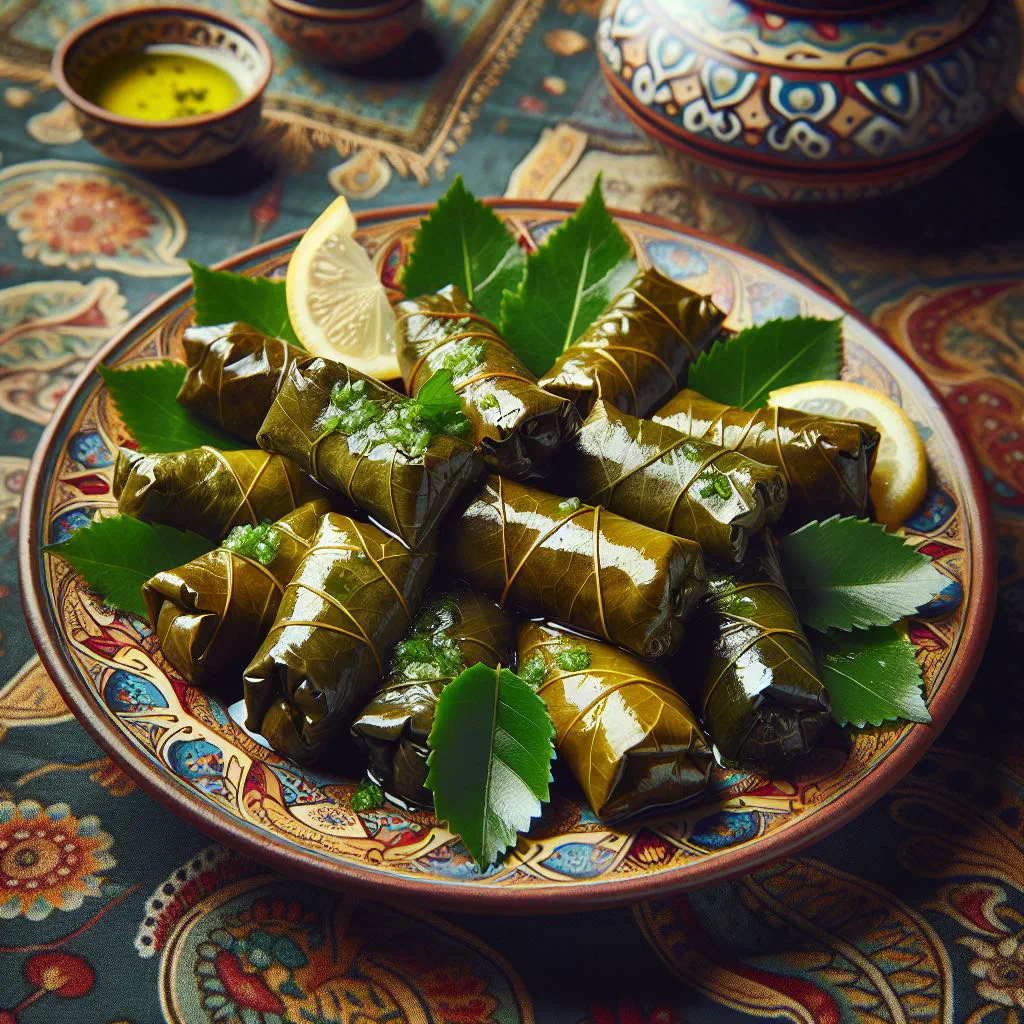
Say hello to Warak Enab, the fragrant stuffed vine leaves treasured across Saudi Arabia and the wider Arab world. Each tender parcel wraps a filling of rice, fresh herbs and spiced meat, simmered gently in a lemony broth until every mouthful is bright and savoury. Traditionally reserved for feasts and family gatherings, these little rolls turn any table into a celebration. Bring a taste of Arabian hospitality into your own kitchen with this rewarding classic.
About Warak Enab
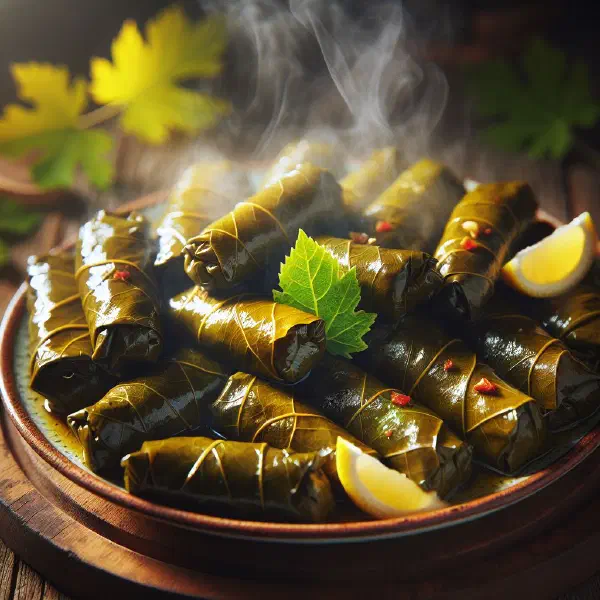
Warak Enab are stuffed grape leaves enjoyed throughout Saudi Arabia and many other Arab countries. This delicious speciality brings together the aromas of fresh herbs, warming spices and juicy meat, which combine to create a wonderfully harmonious flavour. Traditionally, the filled vine leaves are served at festive occasions or on special holidays. Their delicate taste and elegant presentation make them a highlight of any meal.
Ingredients (serves 1–2)
- 250 g minced meat (beef or lamb)
- 200 g grape leaves (jarred or fresh)
- 1 cup rice (long-grain or basmati)
- 1 onion, finely chopped
- 2 tablespoons fresh parsley, chopped
- 2 tablespoons fresh mint, chopped
- 1 teaspoon paprika
- 1 teaspoon salt
- 1/2 teaspoon pepper
- 1/4 cup olive oil
- Juice of 1 lemon
- 2 cups vegetable stock
Shopping for the ingredients
When getting ready to prepare Warak Enab, choosing the right ingredients makes all the difference. The grape leaves should be fresh or preserved in brine for the best flavour. When buying minced meat, look for good quality, and pick fresh herbs to guarantee an intense aroma. The choice of rice matters too, as it gives the filling its proper texture and helps hold the leaves together. Fresh produce is the foundation of this dish, much as it is in a bright bowl of Tabouleh.
Preparing the dish
Preparing Warak Enab involves a few steps that are key to the final result. First the grape leaves need to be washed thoroughly and, if necessary, blanched to make them soft and pliable. The meat is worked together with the spices and fresh herbs into an aromatic filling. Alongside this, the rice is prepared so its flavours blend perfectly with the other ingredients.
Step-by-step instructions
- Blanch the grape leaves in boiling water to soften them, then drain.
- In a bowl, mix the minced meat thoroughly with the onion, rice, herbs and spices.
- Take a grape leaf, place a tablespoon of the filling on top, then roll it up tightly.
- Layer the stuffed leaves in a pot and pour over the vegetable stock and lemon juice.
- Simmer over low heat for about 45 minutes, until the rice is fully cooked.
Gluten-free / lactose-free version
Warak Enab are naturally gluten-free and can easily be made lactose-free. Simply use gluten-free rice and adjust the filling to suit your needs. These small changes make the dish enjoyable for anyone with specific food intolerances. Always reach for fresh, unprocessed ingredients to keep the flavour pure and true.
Tips for vegans and vegetarians
If you follow a vegan or vegetarian diet, Warak Enab adapts beautifully. Instead of minced meat, use a mix of plant-based mince, lentils or chickpeas. A filling built around different vegetables and spices also makes a tasty alternative. These variations create new flavour combinations and honour the traditional method of preparation.
More tips and tricks
To make cooking Warak Enab easier, a few tips and tricks go a long way. Make sure all your ingredients are fully prepared before you start filling, as this cuts the assembly time considerably. You can also make the dish ahead and simply reheat it, which makes it ideal for celebrations. Experiment with different spices and textures to find your own signature touch and vary the flavour to taste.
Adapting the recipe to your taste
One of the great things about Warak Enab is their versatility. Adapt the recipe entirely to your own preferences by trying out different fillings. Add dried fruit or nuts, for example, to bring a touch of sweetness. A combination of different meats can also enrich the dish and give every bite a new dimension.
Ingredient substitutions
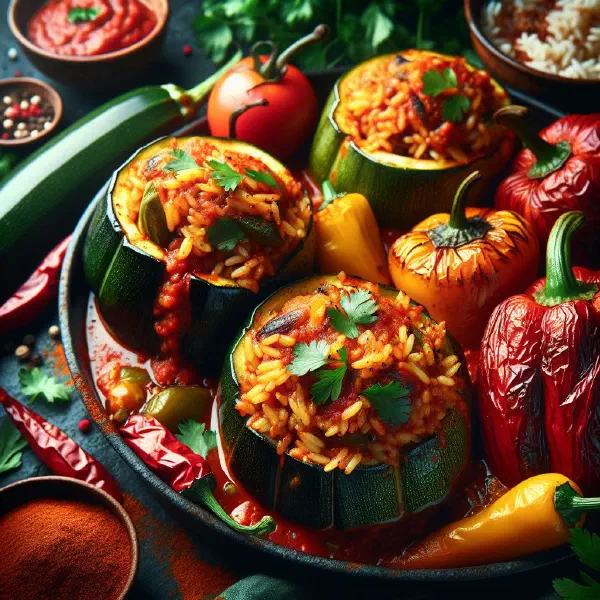
If you do not have certain ingredients to hand, or would rather avoid them, there are plenty of alternatives. Instead of grape leaves you can use cabbage leaves or pak choi, as you would when making Stuffed Zucchini. The rice can be swapped for quinoa or millet if you want a gluten-free option. These little changes can also help you create an even more creative and flavourful dish.
Drink pairing ideas
Choosing the right drink is key to rounding out the Warak Enab experience. Try it with a refreshing mint tea or a classic Arabic coffee to harmonise the flavours. White grape juice or pomegranate juice are delicious alternatives too, offering refreshment while lifting the dish’s Middle Eastern aromas.
Serving and presentation ideas
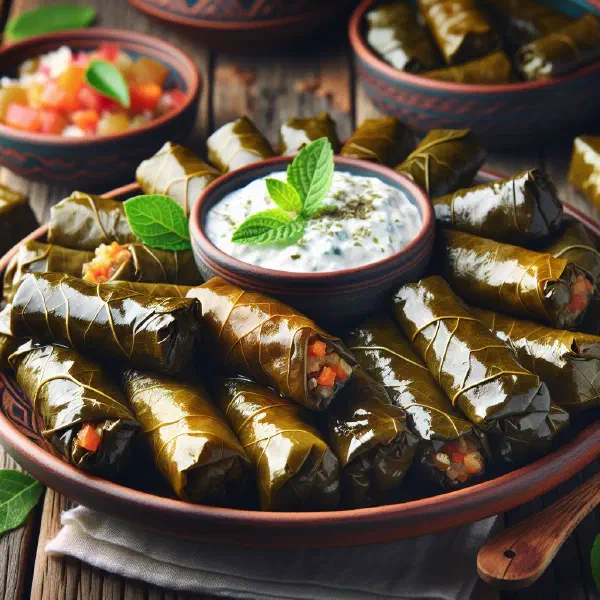
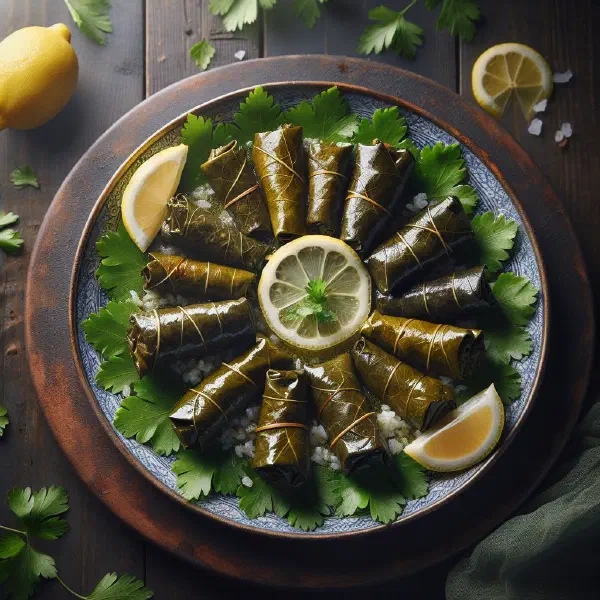
Presentation plays an important part in enjoying Warak Enab. Serve the stuffed vine leaves on a colourful plate and garnish them with fresh herbs or lemon slices. A yoghurt sauce can help balance the flavours and give the dish a special note, much like a cooling Yoghurt Mint Dip. Creative arrangements and bright colours make a feast for the eyes and build anticipation for the meal ahead.
A bit of history
The history of Warak Enab is as rich as the flavour of its filling. This dish has its roots in Arabic and Mediterranean cuisine, where stuffing vine leaves is a centuries-old tradition. Warak Enab also symbolise the hospitality and cultural exchange of the regions where they are made. Over the years the recipe has evolved and varied, passed down lovingly through countless families around the world and now cherished across Saudi Arabian cuisine.
More recipe ideas
Summary: Warak Enab
Warak Enab is a delicate, aromatic speciality from Saudi Arabia that appeals to lovers of Arabic cuisine. The combination of stuffed grape leaves, well-seasoned meat and fresh herbs makes it a must for food enthusiasts. This dish offers endless scope for adaptation and variation. Let the flavours and cultural history win you over, and savour a little piece of Arabian hospitality.