National Dish Saudi Arabia: Za'atar Bread (Recipe)

In this article
Discover za’atar bread, a fragrant flatbread that carries the soul of Saudi Arabian and wider Middle Eastern cooking. Warm, freshly baked dough meets a heady blend of thyme, sesame and tangy sumac, creating a snack that is impossible to resist. It brings a taste of the Orient straight to your table. Simple to make yet deeply satisfying, this is comfort baking at its most aromatic.
About Za’atar Bread
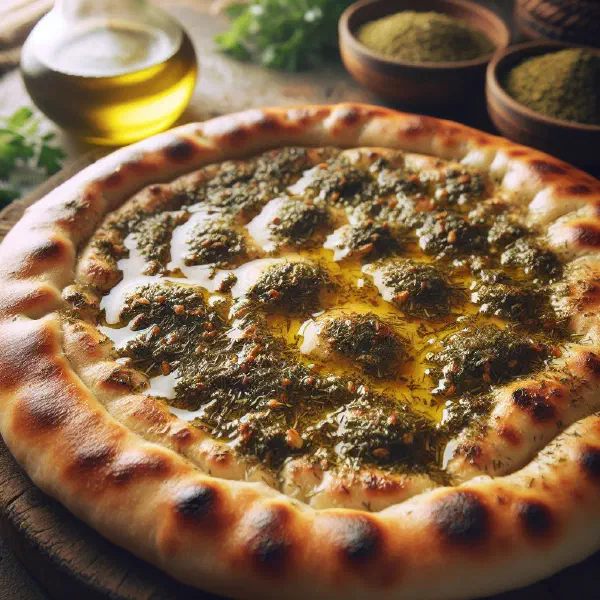
Za’atar bread is a traditional dish from Saudi Arabia, celebrated for its wonderful pairing of fresh, warm dough and an aromatic spice blend. Za’atar itself is a mixture of thyme, sesame, sumac and other herbs that tastes marvellous and brings a host of health benefits. The bread is often served as a snack or as an accompaniment to a range of dishes, and it has earned a firm place in modern kitchens. Versatile and full of flavour, it is ideal for celebrations or simply for a relaxed evening at home.
Ingredients (serves 1–2)
- 250 g flour (plain flour or spelt flour)
- 1 tsp dried yeast
- 125 ml lukewarm water
- 2 tbsp olive oil
- 1 tsp salt
- 3–4 tbsp za’atar spice blend
- Sesame seeds, for sprinkling
Shopping for the ingredients
The ingredients for za’atar bread are easy to find in most supermarkets and health-food shops. The choice of flour matters especially, as it forms the very base of the dough. Reach for fresh herbs and spices to achieve the best possible flavour. The za’atar blend can be bought from many Middle Eastern grocers or ordered online, and it sits right at the heart of Saudi Arabian Saudi Arabian cuisine.
Preparing the dish
Before you begin making the za’atar bread, gather all your ingredients together. Measure everything out precisely and make sure the water is genuinely lukewarm so the yeast can activate properly. Work on a clean surface to keep the preparation hygienic throughout. It also helps to preheat the oven, so the bread can go straight in to bake once it has been shaped.
Step-by-step instructions
- In a bowl, combine the flour with the salt and stir in the dried yeast.
- Slowly work in the lukewarm water and the olive oil until a smooth, uniform dough comes together.
- Turn the dough out onto a floured surface and knead it well for around 5–10 minutes.
- Place the dough in a lightly oiled bowl, cover it and leave it to rise in a warm spot for about 1 hour.
- Tip the risen dough back onto a floured surface and divide it into small portions.
- Roll each portion into a flat round and sprinkle generously with za’atar and sesame.
- Lay the breads on a baking tray and bake in the preheated oven at 220°C for around 10–15 minutes.
Gluten-free / lactose-free version
For a gluten-free take on za’atar bread, use a gluten-free flour in place of the regular one. Bear in mind that the texture may differ slightly, so experiment a little with the amount of liquid you add. The recipe is naturally lactose-free, and by keeping to olive oil or another plant-based oil you can be sure it stays that way. Any fat you choose should of course be lactose-free to suit those with intolerances.
Tips for vegans and vegetarians
Za’atar bread is naturally vegan, as every ingredient it uses is plant-based. To make the dish even more interesting, you can add various vegetables as a topping for the bread. Peppers, olives or tomatoes all work beautifully here. This gives the bread extra flavour and boosts its nutritional value, much like the fresh toppings that lift a good Fattoush.
More tips and tricks
One key tip for za’atar bread is to preheat the oven thoroughly, ensuring the bread bakes evenly and turns nicely crisp. Give the dough enough time to rise, as this makes a real difference to the finished result. Play with the thickness of the bread: thinner rounds bake up crunchier, while thicker flatbreads stay softer and fluffier. You can also try different za’atar blends to create a range of flavours.
Adapting the recipe to your taste
Za’atar bread can be tailored entirely to your own preferences. If you like a little heat, add a pinch of chilli or paprika. When it comes to the oil, feel free to experiment with coconut oil or avocado oil to explore new flavours. You can also enrich the dough with a variety of herbs to layer in extra aroma. There are really no limits to your creativity here.
Ingredient substitutions
If you cannot get hold of ready-made za’atar, you can easily blend your own. Mix thyme, oregano and sesame for a similar aroma. The flour can be varied too: try chickpea flour or oat flour for a wholesome alternative. The oil is just as flexible, so use different varieties to give the bread its own particular character, in the same spirit as the honest, home-baked Aish Baladi.
Drink pairing ideas
A number of drinks pair wonderfully with a delicious za’atar bread. A refreshing mint tea or a yoghurt drink (known as ayran) harmonise perfectly, echoing the cooling notes of a Yoghurt Mint Dip. These drinks support the flavours of the bread and offer a refreshing counterpoint. A glass of hibiscus tea or a fruity cocktail can round off the experience just as well.
Serving and presentation ideas
Presentation plays an important part in serving za’atar bread. Lay the breads out on a handsome wooden board or raise them slightly to show them off. Decorate the plate with fresh herbs such as mint or parsley to create an appealing look. A small dish of olive oil and balsamic as a dip completes the presentation perfectly and invites everyone to tuck in, especially alongside a generous bowl of Hummus.
A bit of history
Za’atar bread has a long tradition in Arabic cooking and has been enjoyed for centuries across many countries of the Middle East. Za’atar itself is often seen as a symbol of hospitality and is sometimes served on festive occasions. Beyond the cooking, za’atar represents a way of coming together, of sharing company and celebrating culture. Even today the bread remains hugely popular and continues to find its way into kitchens around the world.
More recipe ideas
Summary: Za’atar Bread
Za’atar bread is a delicious snack and a wonderful example of the variety of Arabic cuisine. With simple ingredients and a few handy tips, this dish comes together effortlessly. It is endlessly adaptable and easily modified into vegan or gluten-free versions. Enjoy za’atar bread as part of a larger meal or simply on its own with a few dips. It is sure to bring plenty of pleasure.