National Dish Scotland: Bannocks (Recipe)
In this article
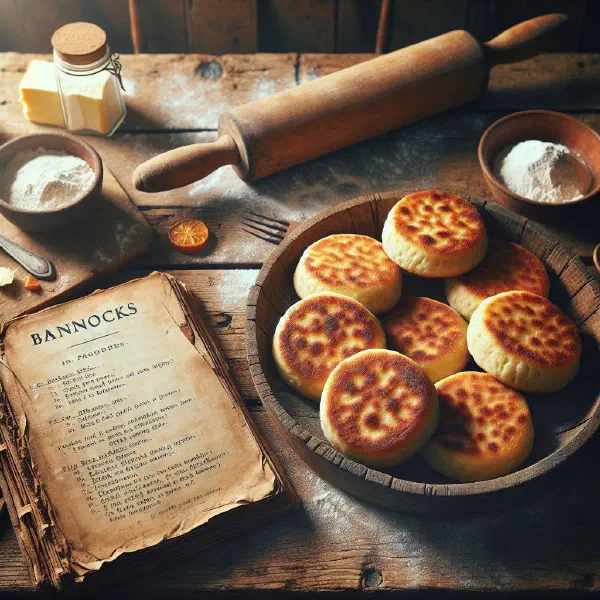
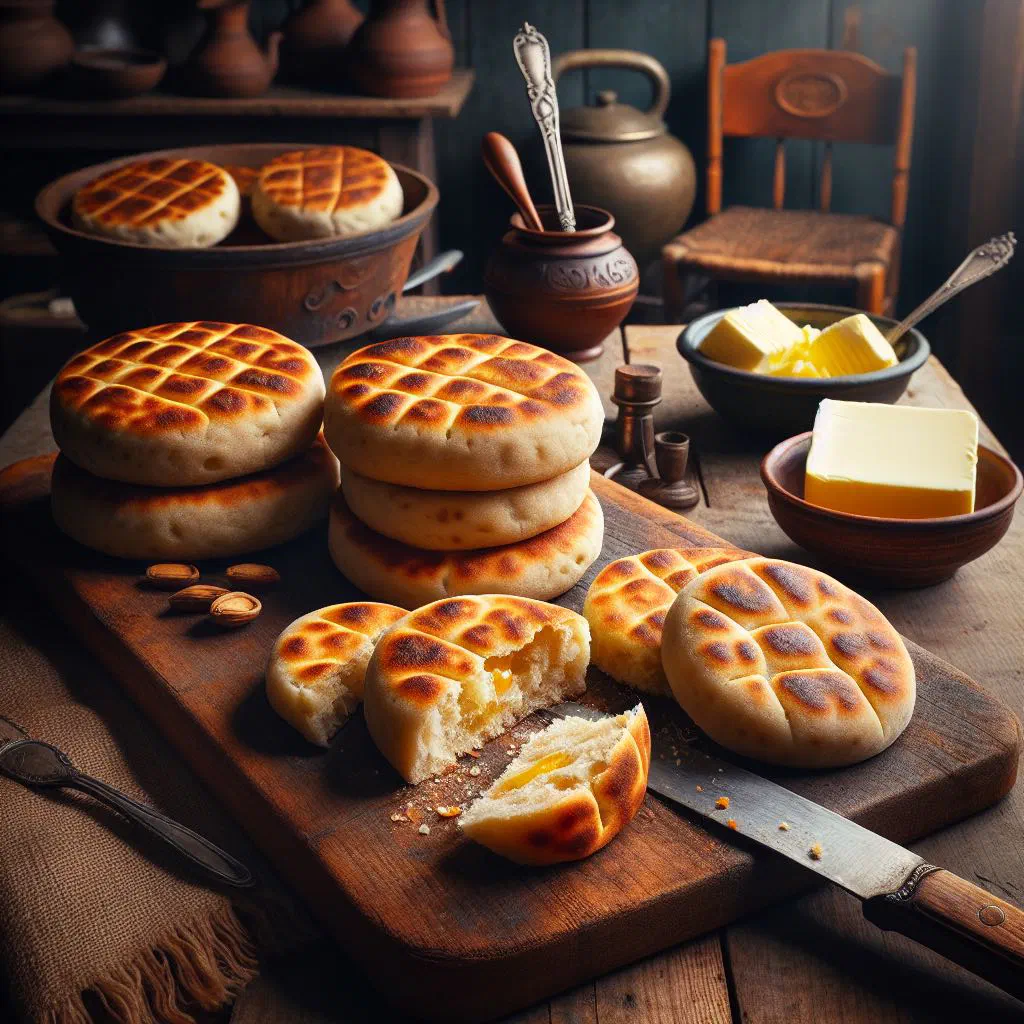
Meet Bannocks, the humble griddle bread that has fed Scottish households for centuries. Made from little more than flour, butter and a pinch of salt, these rustic flatbreads are as easy to make as they are satisfying to eat. Traditionally cooked on a hot girdle over an open fire, they carry a real taste of the Highlands to the table. Perfect split and buttered, or served warm alongside soup and cheese. Bring a slice of Scottish heritage into your own kitchen.
About Bannocks
Bannocks are traditional Scottish flatbreads that have been baked in the kitchens of Scotland for hundreds of years. They are prized for their simple ingredients and their fuss-free preparation, which is exactly what has kept them a firm favourite in so many homes. Originally bannocks were made from oatmeal, though today you will just as often find versions made with wheat flour. These wholesome flatbreads are wonderfully versatile and bring a touch of Scottish heritage to any table.
Ingredients (serves 1–2)
- 150 g oatmeal or wheat flour
- 1 tsp baking powder
- 1 pinch of salt
- 50 ml water
- 30 g butter, melted
Shopping for the ingredients
To bake the perfect bannocks, it pays to choose the right ingredients. When shopping, make sure your flour is always fresh so you get the best possible flavour. Many supermarkets now stock gluten-free flour alternatives, which work well in this recipe too. Do look for good-quality butter and other ingredients, as they help to bring out the full, rounded flavour of the bannocks.
Preparing the dish
Before you start baking the bannocks, a little preparation goes a long way. Make sure all your ingredients are within easy reach to keep the process running smoothly. It also helps to keep your work surface clean and well organised. Get out the baking kit you will need, such as a frying pan or a baking tray, and preheat the oven if you fancy a crisper version.
Step-by-step instructions
- In a bowl, mix the oatmeal, baking powder and salt together thoroughly.
- Add the water and the melted butter and combine everything into a smooth dough.
- Knead the dough on a lightly floured surface until it is soft and pliable, then divide it into two or more portions.
- Shape the portions into rounds and roll them out to a thickness of about 1 cm.
- Heat a pan over a medium heat and cook the bannocks until golden brown on both sides (about 4–5 minutes per side).
Gluten-free / lactose-free version
If you have a gluten or lactose intolerance, this recipe is easy to adapt. For gluten-free bannocks, simply swap the wheat flour for a good-quality gluten-free flour that binds well, such as a blend of rice and almond flour. Using a plant-based oil in place of butter also takes care of any lactose-free requirements. Just make sure all your other ingredients are gluten-free too, so you get a safe and reliable result.
Tips for vegans and vegetarians
If you would like to make vegan bannocks, switching from butter to a plant-based oil or margarine is a simple solution. You can also use plant-based milk alternatives to add liquid and help bind the dough. Choosing the right flour and baking powder alternatives will further ensure the recipe suits your way of eating. That way, the rustic character of the bannocks stays intact while keeping them completely vegan.
More tips and tricks
One of the best ways to lift the flavour of your bannocks is by adding fresh herbs or spices to the dough as you knead. You could also try rolling the dough in sesame or pumpkin seeds before cooking, for an extra bit of crunch and flavour. Experiment with the thickness of the flatbreads, thinner bannocks turn out crisper, while thicker ones have a softer, more tender crumb. Finally, finishing your bannocks with a little honey or jam as you serve them is a lovely way to enjoy them.
Adapting the recipe to your taste
This recipe is remarkably adaptable, depending on what you fancy. You can add spices or herbs such as rosemary or thyme to vary the flavour. For a sweeter version, work a tablespoon of sugar into the dough. Another exciting twist is to fold in dried fruit or nuts, which give the bannocks a special character. Think about how you might change the textures and aromas to bake something that is entirely to your taste.
Ingredient substitutions
If you do not have any butter to hand, you can replace it with olive oil or coconut oil, which give the bannocks a distinctive flavour of their own. For the liquid, plant-based milk alternatives work alongside water and make the dough richer and more flavourful. The flour can vary too: try rye flour or oatmeal, for example, to achieve different flavours and textures. Just keep an eye on the consistency of the dough so your bannocks turn out beautifully, much as you would when shaping the pastry for Bridies.
Drink pairing ideas
The perfect drinks to serve with your bannocks can vary depending on how you enjoy them. If you are eating the bannocks savoury, a Scottish ale is an excellent choice, as it underlines the rustic flavour of the flatbreads. For a sweeter combination, try the bannocks with a hot tea or a fruity lemonade. Whichever drink you settle on, the important thing is that the flavours harmonise and round off the experience.
Serving and presentation ideas
To present your bannocks attractively, arrange them on a handsome wooden board or a colourful plate. Use fresh herbs such as thyme or rosemary to decorate, which not only look lovely but smell wonderful too. Serve the bannocks warm and add a selection of dips or spreads to impress your guests. A creative way of arranging the bannocks can turn your dish into a real centrepiece.
A bit of history
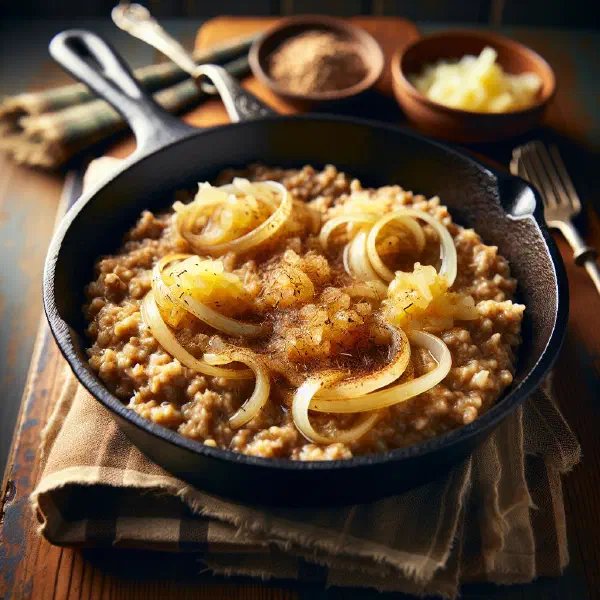
Bannocks have a long and fascinating history that stretches back to the early days of Scotland. Originally they were the food of poor country folk, cooked in simple encampments or over open fires. Over time they grew into a symbol of Scottish culture, and today they feature at festive occasions and traditional celebrations. The many regional variations offer a glimpse into a culinary history shaped by Scotland’s landscape and climate, a heritage shared with hearty classics of Scottish cuisine like Skirlie.
More recipe ideas
Summary: Bannocks
In short, Bannocks are a wonderful example of Scottish cooking, as easy to make as they are genuinely tasty. They can be enjoyed as a side or a snack, and their adaptability offers endless ways to suit your own preferences. Whether topped with savoury or sweet fillings, the variations are endless. With this recipe, you can bring a piece of Scottish heritage into your own kitchen.