National Dish Scotland: Skirlie (Recipe)
In this article
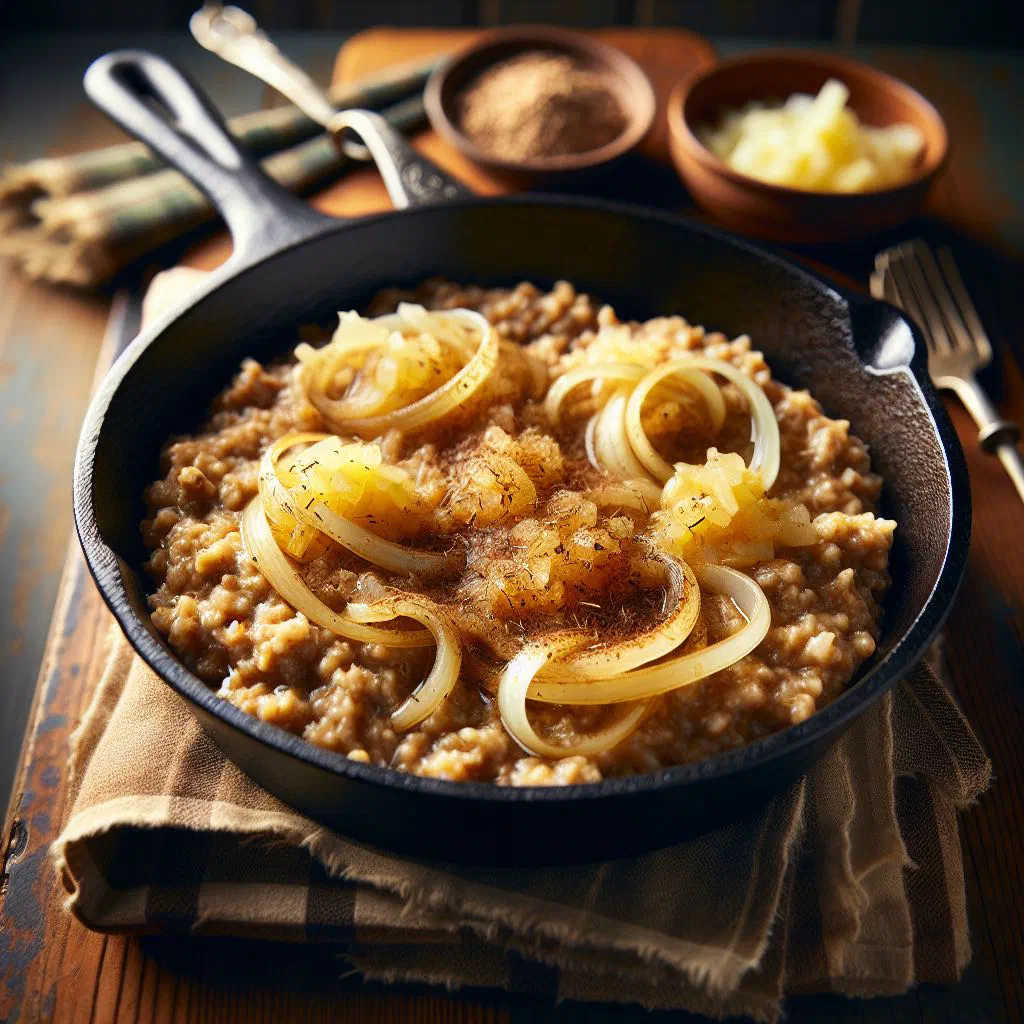
Meet Skirlie, one of the most cherished dishes in the Scottish larder. Built from little more than oatmeal, onions and butter, it proves just how much flavour humble ingredients can deliver. As the oats toast in the pan they take on a wonderfully nutty aroma and a crisp, golden texture that makes every mouthful a treat. Simple, thrifty and deeply comforting, skirlie carries the warmth of the Scottish kitchen straight to your table.
About Skirlie
Scottish cuisine has plenty of hearty, satisfying dishes to offer, and Skirlie is among the most steeped in tradition. It is a simple yet tasty dish, typically made from oatmeal, onions and butter. Preparing skirlie is more than just an act of cooking; it is a part of Scottish culture, closely bound up with the country’s culinary heritage. The dish wins people over with its nutty aroma and crisp texture, which turns every bite into a small pleasure.
Ingredients (serves 1–2)
- 100 g oatmeal
- 1 large onion, finely chopped
- 2 tablespoons butter
- 1 teaspoon salt
- Pepper to taste
- Water (as needed)
Shopping for the ingredients
The ingredients for skirlie are easy to find in most supermarkets. Oatmeal is usually stocked in the baking aisle or alongside the speciality flours. Try to choose good-quality ingredients to get the very best flavour. Fresh onions and a good butter can also make a real difference to the finished dish.
Preparing the dish
Before you start cooking skirlie, it is worth gathering and preparing all of your ingredients. Chop the onion finely and measure out the oatmeal. Have the butter ready too, so you can begin frying straight away. A little groundwork lets you make the dish without interruption and reach a delicious result all the more quickly.
Step-by-step instructions
- Heat the butter in a frying pan until it foams.
- Add the finely chopped onions and fry until golden brown.
- Slowly stir the oatmeal into the onions, mixing well until you have an even mixture.
- Season with salt and pepper, adding a little water until you reach the consistency you want.
- Spread the mixture evenly across the pan and fry for a few minutes until the underside is golden, then turn and fry the other side.
Gluten-free / lactose-free version
For a gluten-free version of skirlie you can use gluten-free oatmeal. Do check that the ingredients are labelled accordingly, as some oat products can contain gluten. For a lactose-free version, swap the butter for a plant-based oil or a lactose-free butter alternative. These small adjustments make the dish far more accessible to anyone with particular dietary needs.
Tips for vegans and vegetarians
To turn skirlie into a vegan dish, simply replace the butter with a plant-based margarine. The onions can also be fried in vegetable oil rather than butter to keep the dish fully plant-based. Skirlie is naturally vegetarian, and with these minor changes it can be enjoyed by vegans too. Experiment with spices and herbs to add even more flavour.
More tips and tricks
For the perfect skirlie texture, take care not to add too much water, or the mixture will turn mushy. Play around with the frying time to reach the level of crispness you prefer. You can also lift the dish with different seasonings to suit your own taste. A little caraway or paprika can give it an interesting new dimension of flavour.
Adapting the recipe to your taste
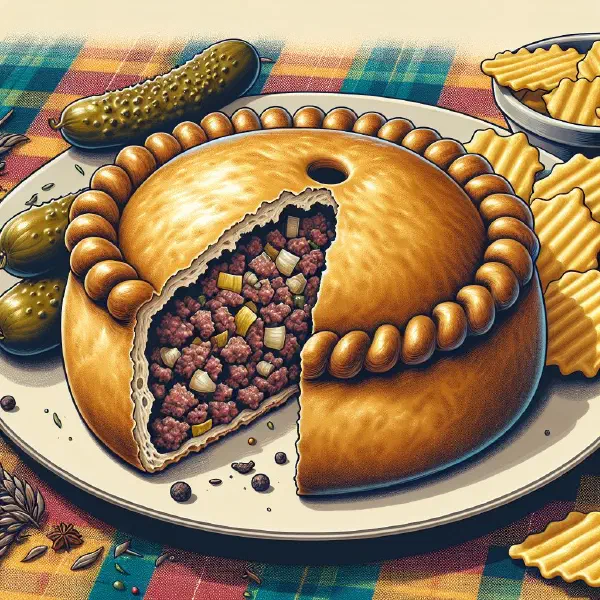
The beauty of skirlie lies in its versatility. Experiment with different types of onion, or add garlic to deepen the flavour. If you fancy a heartier version, you can also stir in bacon or mushrooms, much like the rich fillings you would find in a Forfar Bridie. Let your imagination run free and shape the recipe so it fits your preferences perfectly.
Ingredient substitutions
If you have no oatmeal to hand, you can use wheat flour or other flours to achieve a similar texture. For a more modern take, try quinoa or polenta as the base for the dish instead. These alternatives bring new flavours and plenty of variety to the cooking. Think about what you already have in the cupboard and adapt the recipe to suit.
Drink pairing ideas
Skirlie traditionally goes well with a good glass of Scottish ale or a fresh cider to complement the flavours of the dish. A light white wine can also be an excellent choice, especially if you serve the skirlie alongside fish or a pale meat. For an alcohol-free option, a fruity juice or a sparkling mineral water makes a refreshing companion.
Serving and presentation ideas
Presentation can lift the enjoyment of skirlie considerably. Serve the dish warm on a rustic wooden board or a colourful plate to bring out its colours and textures. Garnish it with fresh herbs such as parsley or chives for an extra touch of colour. A nice napkin and a good drink on the side will round off your table beautifully. Skirlie is a natural partner for other classics of Scottish cuisine, from roasts to game.
A bit of history
Skirlie has its roots in traditional Scottish cooking, where simple, nourishing meals were the order of the day. The dish reflects the plainness and resourcefulness of the Scottish people, who could turn modest ingredients into tasty fare. Historically it was often served as an accompaniment to meat dishes, a role it still shares with the hearty Haggis, but over time it has also established itself as a dish in its own right. Skirlie is a fine example of how tradition and modern cookery coexist so harmoniously in Scottish cuisine.
More recipe ideas
Summary: Skirlie
Skirlie is a simple yet delicious Scottish dish made from oatmeal, onions and butter. Its versatility and adaptability across all sorts of culinary settings make it a superb side dish or main course alike. Whether traditional or modern, preparing and adjusting the recipe leaves plenty of room for creative interpretation. Give skirlie a try and discover the flavours and culture of Scotland for yourself.