National Dish Senegal: Foutou (Recipe)
In this article
Meet Foutou, a soft, pillowy staple that sits at the very heart of West African home cooking. Made from ripe plantains and cassava pounded together into a smooth, satisfying mound, it is the perfect partner for rich sauces and slow-simmered stews. In Senegal, foutou is far more than a side dish. It is a symbol of hospitality and shared celebration. Bring its comforting textures and warm flavours straight to your own table.
About Foutou
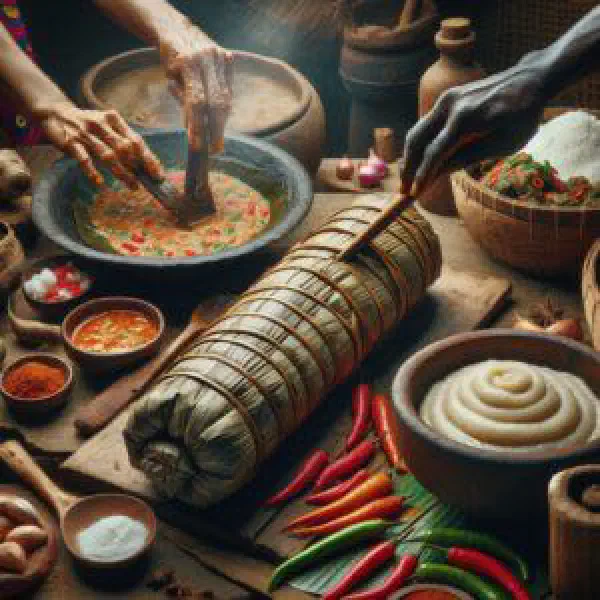
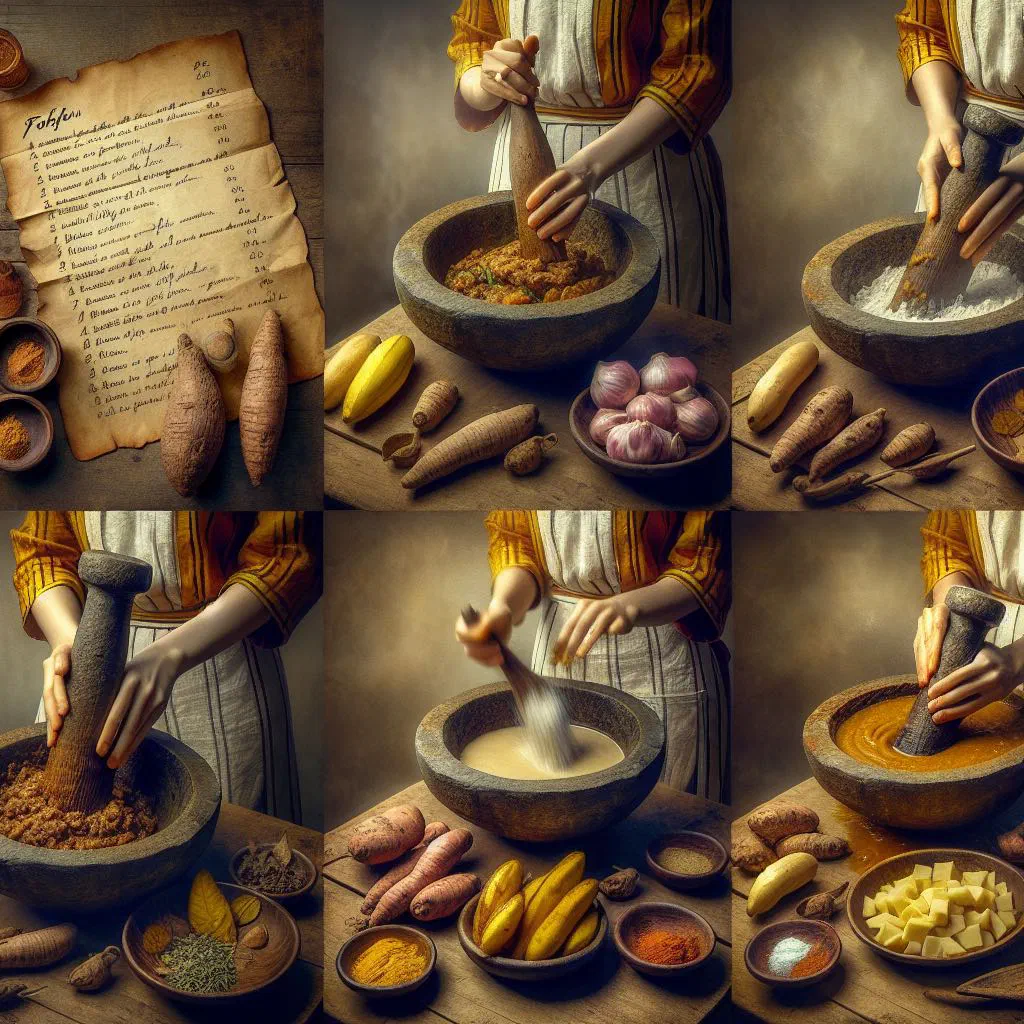
Foutou is a traditional West African dish made by pounding ripe plantains and cassava into a smooth, cohesive mass. This combination gives a creamy, filling side that so often is the base for a whole range of sauces and stews. In Senegal, foutou is not simply a dish but a symbol of culinary tradition and hospitality. Every country has its own version, yet the core ingredients tend to stay the same, which leads to a wonderfully distinctive taste experience.
Ingredients (serves 1–2)
- 2 ripe plantains
- 300 g cassava
- Salt to taste
- Water for boiling
Shopping for the ingredients
When shopping for foutou, it is worth taking care to choose ripe plantains and fresh cassava. Ripe plantains have a yellow to brown skin and give a little when gently pressed. The cassava should be firm and free of brown patches to get the best results. You will find these ingredients in most Asian or African grocery shops, and increasingly in well-stocked supermarkets too.
Preparing the dish
Preparing foutou takes a little time and effort, but the result is well worth it. Begin by peeling the plantains and the cassava and cutting them into even pieces. The pieces then need to be washed thoroughly to remove any dirt and impurities. This is an important step to make sure your foutou keeps the clean, pure flavour of its ingredients.
Step-by-step instructions
- Bring the peeled plantains and cassava pieces to the boil in a large pan of water.
- Cook the ingredients for around 20–30 minutes, until they are soft.
- Once cooked, drain off the water and tip the ingredients into a bowl.
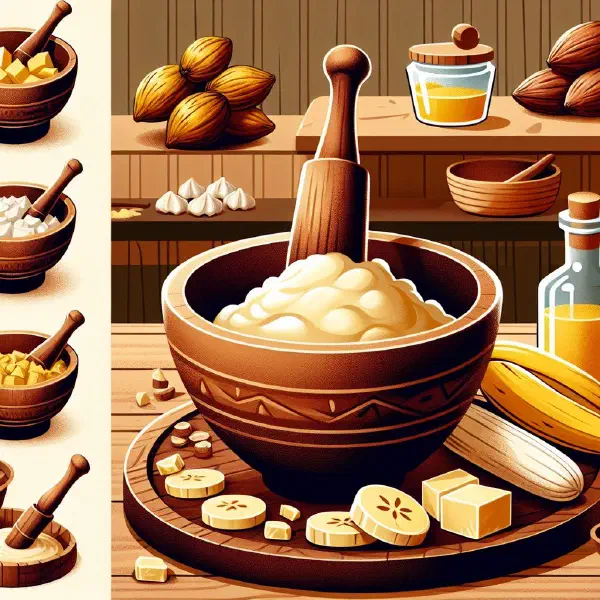
- Using a pestle or a potato masher, work them into a smooth, glossy mass.
- Season with salt and add a splash of water if needed to reach the consistency you want.
Gluten-free / lactose-free version
Foutou is naturally gluten-free and lactose-free, which makes it an excellent choice for anyone with food intolerances. Using plantains and cassava as the main ingredients guarantees a dish free of these allergens. To keep it that way, take care to choose gluten-free and lactose-free products for the sauces and sides you serve alongside it. That opens up a wide range of pleasures without ever compromising on your dietary needs.
Tips for vegans and vegetarians
Foutou is a plant-based dish that suits both vegans and vegetarians. You can adapt it easily by making sure the sauces and stews it is served with are entirely plant-based too. There are many delicious vegan sauces that pair beautifully with foutou, such as a rich Maafé peanut stew or a punchy tomato sauce. Look to local recipes to turn your foutou into a bright vegan meal.
More tips and tricks
To get the very best from your foutou, a few tips and tricks can help. For example, it is worth lightly roasting the plantains before boiling to intensify their flavour. Adding spices during cooking can also help the aromas develop more fully. Experiment with different sides to create your own version, one that respects the traditional taste of foutou while suiting your personal preferences.
Adapting the recipe to your taste
The lovely thing about foutou is how easy it is to adapt. Depending on your taste, you can add different herbs and spices to bring the dish in line with your preferences. A little chilli or garlic gives foutou a gentle heat, while fresh herbs such as coriander or parsley add a bright, fresh note. This flexibility makes foutou a dish that everyone can discover and come to love.
Ingredient substitutions
If you are unable to find plantains or cassava, there are a few alternatives you can turn to. Sweet potatoes or other starchy vegetables can be a good choice for achieving a similar flavour profile. These alternatives offer not only comparable textures but plenty of nutrients too. Experiment with different ingredients to discover what tastes best to you, the same spirit of improvisation that shapes a good Domoda.
Drink pairing ideas
When it comes to choosing the perfect drink for foutou, a few refreshing options stand out. A cool bissap or a homemade fruit juice complements the flavours of the dish wonderfully. Try a chilled glass of Bissap Drink or the tart notes of Jus De Baobab. For those who prefer something with a little alcohol, a light beer or a fruity sangria pairs well with the hearty flavours of foutou. Experiment with different combinations to enhance the whole experience.
Serving and presentation ideas
The presentation of your foutou can be key to making the dish even more inviting. Serve it in a beautiful bowl, complemented by the right sauces and stews, to create a visually appealing dish. Use fresh herbs as a garnish to lift the look of the plate. A well-presented dish whets the appetite and brings a little of Senegal’s culture into your kitchen.
A bit of history
The roots of foutou reach colourfully back into West African history. In many countries it is a traditional dish prepared for grand celebrations and family gatherings. Each country has its own way of making foutou, which leads to a fascinating cultural variety. This dish is more than a delicious lunch or dinner. It is also part of the cultural identity of the people of West Africa, and a proud example of Senegalese cuisine.
More recipe ideas
Summary: Foutou
Foutou is a wonderful, traditional dish that captures the variety and richness of Senegalese cooking. With simple, wholesome ingredients and endless room for adaptation, foutou suits both special occasions and everyday meals. The preparation may take a little time, but the reward, in flavour and satisfaction, is priceless. When you make foutou, you are preparing more than a meal but a piece of culture on your plate.