National Dish Senegal: Kanja Soup (Recipe)
In this article
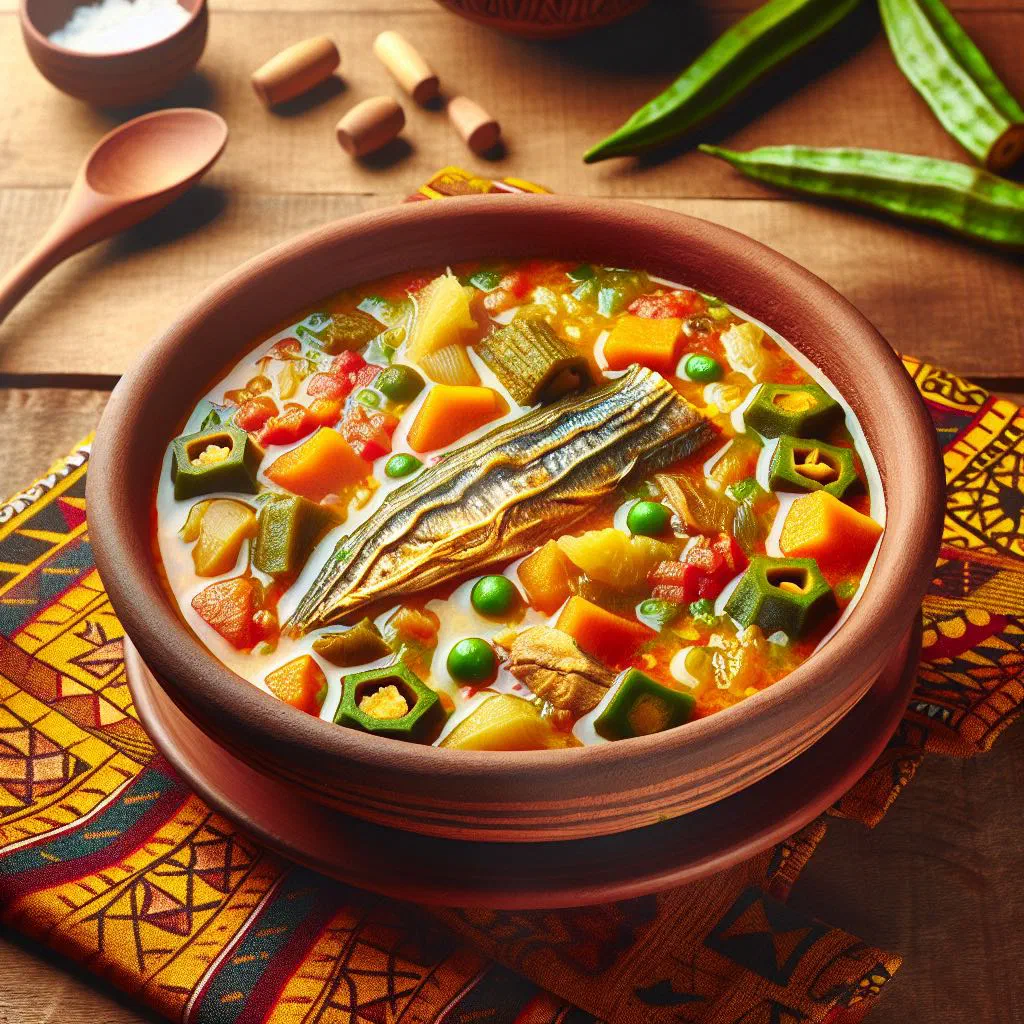
Say hello to Kanja Soup, a wonderfully warming bowlful that sits close to the heart of Senegalese home cooking. Tender fish and a medley of fresh vegetables simmer together in a fragrant, gently spiced broth, given body and a nutty depth by a spoonful of peanut butter. Simple yet full of character, this soup carries the flavours of West Africa straight to your table and makes an inviting centrepiece for a relaxed family meal.
About Kanja Soup
Kanja Soup is a true highlight of Senegalese cuisine, the kind of dish that makes food lovers sit up and take notice. It brings together a generous mix of vegetables and fish in an aromatic broth, lifted by warm, exotic spices that give it an unmistakable character. Traditionally cooked in homes across the region, it is far more than a satisfying meal. It is a piece of culture in a bowl. The sheer variety of ingredients reflects the rich culinary heritage of West Africa and offers a real taste of how the region likes to eat.
Ingredients (serves 1–2)
- 200g fish fillet (such as tilapia or mackerel)
- 1 large onion
- 2–3 carrots
- 1 small aubergine
- 2–3 potatoes
- 1–2 tomatoes
- 1–2 tablespoons peanut butter
- 2 litres water or fish stock
- Spices: salt, pepper, cayenne pepper and a piece of ginger
- Fresh herbs (such as parsley or coriander), to garnish
Shopping for the ingredients
When shopping for the ingredients for Kanja Soup, it is well worth paying attention to the freshness and quality of the produce. Choose fish fillets that are as fresh as possible, ideally from a sustainable source. Vegetables such as carrots, aubergines and tomatoes are best picked up at a local market or a wholefood shop, where the choice tends to be wider. Take care to select good-quality spices too, as they play a decisive role in shaping the flavour of the soup.
Preparing the dish
Getting ready to cook Kanja Soup is quick and straightforward. Begin by gathering all your ingredients and giving them a good clean. Cut the vegetables into even pieces so they cook through at the same rate, and chop the fish fillet into bite-sized chunks for a speedy preparation. Set your fresh herbs aside for the finishing garnish, so everything is ready to go once the pot is on the heat.
Step-by-step instructions
- Bring the water or fish stock to the boil in a large pot.
- Add the onions, carrots and potatoes and let them simmer for about 10 minutes.
- Tip in the aubergines and tomatoes and cook everything for a further 10 minutes.
- Add the fish fillet and the peanut butter and stir well to combine.
- Season the soup to taste with salt, pepper and cayenne pepper.
- Let the Kanja Soup simmer for another 5 minutes, until the fish is cooked through.
- Serve hot, garnished with fresh herbs.
Gluten-free / lactose-free version
Kanja Soup is naturally gluten-free and lactose-free, since it is built mainly from vegetables and fish. That makes it an ideal choice for anyone with intolerances or particular dietary needs. Just be sure that every ingredient you use is also free from gluten and lactose, especially the fish stock or any ready-made spice blends. This way you can be confident the soup is one that everyone can enjoy.
Tips for vegans and vegetarians
Kanja Soup is easy to adapt for vegans and vegetarians. In place of the fish, you can use tofu or seitan, both of which make a good source of protein. Lean on as rich and varied a selection of vegetables as you can to keep the soup nourishing and full of flavour, and pair it with a good vegetable stock to preserve that hearty, savoury character.
More tips and tricks
To make Kanja Soup even tastier, a few small tricks go a long way. Adding extra spices such as cumin or coriander while it cooks deepens the aroma, and browning the onions and vegetables before they go into the broth intensifies the flavour beautifully. Feel free to experiment with different vegetables to shape the soup around your own preferences.
Adapting the recipe to your taste
Kanja Soup is remarkably versatile and easy to tailor to personal taste. If you like your food with more of a kick, increase the cayenne pepper or add some fresh chillies. Prefer it milder? Ease back on those and pile in more vegetables instead. You can also vary the amount of peanut butter to give the soup as much creaminess as you fancy.
Ingredient substitutions
If you cannot find certain ingredients for Kanja Soup, there are plenty of alternatives to fall back on. Instead of fish, seafood such as prawns works beautifully and tastes wonderful in this broth, much as they do in a plate of Yassa Prawns. For the peanut butter, you could reach for a nut paste or another creamy alternative.
Drink pairing ideas
To round off the experience of Kanja Soup, a few well-chosen drinks make all the difference. A fresh mint tea or a light local beer are ideal companions, while a glass of fruity juice, the tart, ruby-red Bissap Drink, for instance, or simply water with slices of lemon or lime rounds things off nicely. These pairings underline the soup’s flavours and bring the whole meal into harmony.
Serving and presentation ideas
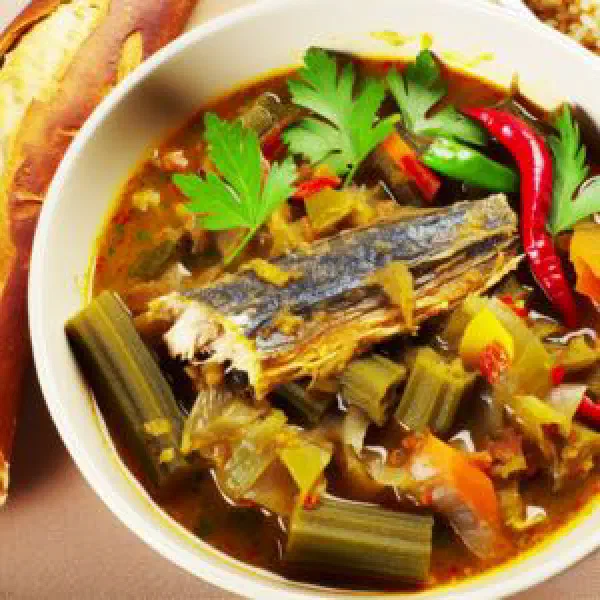
Kanja Soup can be presented in all sorts of appealing ways. Serve it in deep bowls and garnish generously with fresh herbs. A few crusty pieces of bread or some fried plantain arranged alongside make a lovely accompaniment. This kind of presentation is a feast for the eyes and an open invitation to gather round and enjoy the soup together.
A bit of history
Kanja Soup has its roots in Senegalese food culture and reflects the traditions and abundance of the country. The dish grew up in a region where both fishing and vegetable growing were essential to daily life. Bringing fish and home-grown produce together in one pot speaks to a resourceful, sustainable way with food, and the soup has come to stand for togetherness and community. It is often served at celebrations and family gatherings, which only deepens its cultural meaning.
More recipe ideas
Summary: Kanja Soup
In short, Kanja Soup is a treat for the palate and a wonderful way to dive into the cultural traditions of Senegal. With its delicious blend of fresh vegetables and gently spiced fish, it offers nourishment and flavour in equal measure. Thanks to its simple preparation, it fits easily into any household and makes the perfect partner for sociable evenings. Give this recipe a try and savour the flavours of West African Senegalese cuisine.