National Dish Senegal: Mafé (Recipe)
In this article
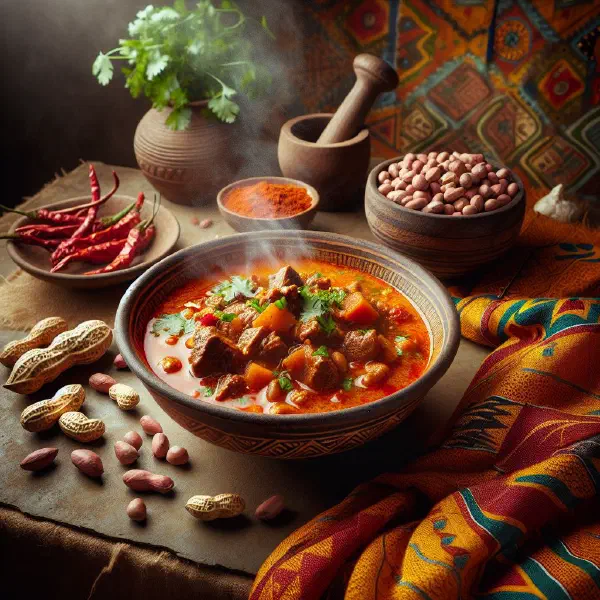
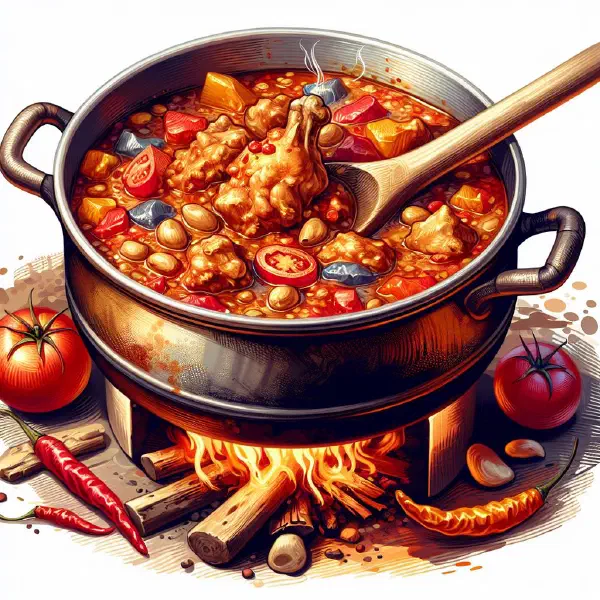
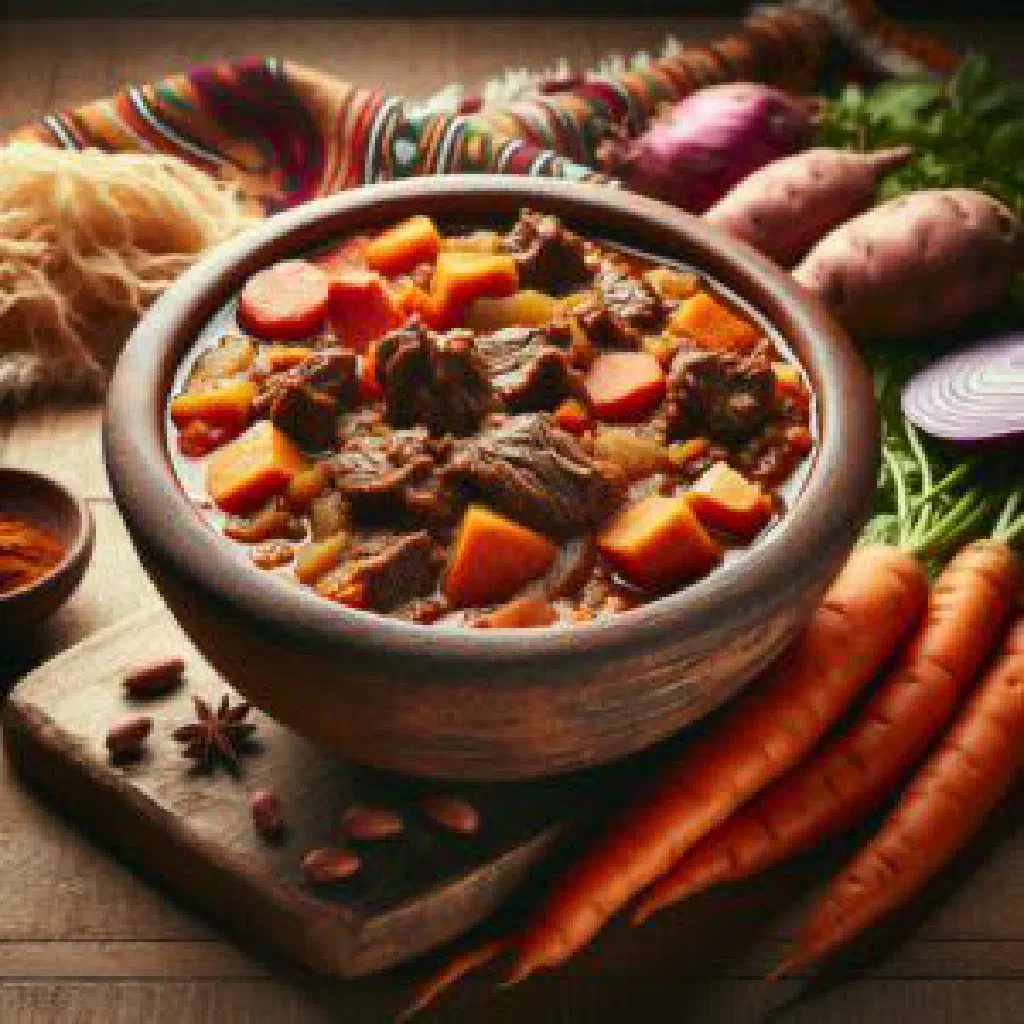
Discover Mafé, the beloved national dish of Senegal. This hearty West African stew wraps tender chicken in a rich, creamy peanut sauce that is at once warming and deeply satisfying. With its exotic blend of local spices and the unmistakable nuttiness of groundnuts, mafé has won hearts far beyond its home country. Bring a taste of Senegalese hospitality straight to your own kitchen with this comforting one-pot classic.
About Mafé
Mafé is a hearty dish from Senegal that has captured palates around the world with its exotic mix of flavours. Rooted deeply in Senegalese culture, this national dish owes its character to its star ingredient, peanut paste, which creates a creamy, richly flavoured sauce in which the chicken is slowly simmered until meltingly tender. The distinctive pairing of groundnuts and local spices gives the dish its signature warmth, leaving you both full and content. It is comfort food in the truest sense, and a wonderful introduction to the wider world of Senegalese cuisine.
Ingredients (serves 1–2)
- 2 chicken legs
- 2 tbsp peanut oil (or another vegetable oil)
- 1 medium onion, diced
- 2 garlic cloves, finely chopped
- 1 tbsp tomato purée
- 400 ml chicken stock
- 2 tbsp peanut butter (natural, no additives)
- 1 small carrot, sliced
- 1 small sweet potato, diced
- Salt and pepper to taste
- 1 pinch of chilli flakes (optional)
- Fresh coriander or parsley, to garnish
Shopping for the ingredients
For an authentic mafé, choose the best-quality peanut butter you can find, ideally one made without additives. Try to buy fresh vegetables from your local market, and reach for free-range chicken where possible to deepen the flavour of the finished dish. Good ingredients are the foundation of this recipe, so a little care at the shops pays off on the plate.
Preparing the dish
To make the cooking go smoothly, it is well worth washing, peeling and chopping all your ingredients in advance. With everything prepped and within reach, you can give your full attention to building the sauce without any interruptions. A tidy, organised work surface makes the whole process calmer and more enjoyable.
Step-by-step instructions
- Heat the oil in a pot and brown the chicken legs all over until golden. Remove them from the pot and set aside.
- In the same pot, sauté the onions and garlic until softened and translucent.
- Add the tomato purée and cook for a few minutes to intensify the aromas.
- Pour in the chicken stock, stir in the peanut butter and mix well until you have a smooth, homogeneous sauce.
- Return the chicken legs to the pot and add the carrots and sweet potato. Cover and simmer over medium heat until the chicken is cooked through and the vegetables are tender (about 25–30 minutes).
- Season with salt, pepper and, if you like, a pinch of chilli flakes.
- Garnish with freshly chopped coriander or parsley and serve.
Gluten-free / lactose-free version
Mafé is naturally gluten-free and lactose-free, which makes it a brilliant choice for guests with dietary restrictions. There is no wheat or dairy in the traditional recipe, so as long as you check that your stock and peanut butter carry no hidden additives, the dish can be enjoyed by almost everyone at the table without any changes at all.
Tips for vegans and vegetarians
For a vegetarian or vegan version, swap the chicken for chickpeas or firm tofu and use vegetable stock in place of chicken stock. The peanut sauce remains just as rich and comforting, and the pulses soak up the flavours beautifully. Take care to choose additive-free peanut butter and check that your stock is plant-based to keep the dish fully vegan.
More tips and tricks
Mafé is endlessly forgiving, and it can just as easily be made with lamb or beef instead of chicken. For the silkiest sauce, let the stew simmer gently so the peanut butter melts fully into the stock. A slightly longer, slower cook only deepens the flavour, so there is no need to rush the pot.
Adapting the recipe to your taste
The heat of the dish is easy to control by adding more or fewer chilli flakes, so you can make it as mild or as fiery as you like. The consistency of the sauce is just as adjustable. Add a splash more stock for a looser, soupier finish, or reduce it further for a thicker, more clinging sauce.
Ingredient substitutions
If you have no peanut butter to hand, roasted and finely ground peanuts make a good stand-in and lend the sauce the same nutty depth. Vegetable stock works perfectly in place of chicken stock if you want a meat-free result. You can also vary the vegetables freely, pumpkin or cassava slip in as easily as the sweet potato here, much as they might in a Ndambe.
Drink pairing ideas
A cool, light beer, a crisp white wine or a fruity rosé all pair beautifully with the savoury richness of mafé. If you prefer something without alcohol, ginger ale or a tangy tamarind juice make popular companions, cutting through the creamy peanut sauce with a welcome hit of freshness.
Serving and presentation ideas
Mafé is traditionally served with rice, which soaks up every drop of the peanut sauce. For an attractive presentation, mould the rice in a cup and turn it out beside the stew, then spoon the mafé alongside. A fresh green salad rounds off the meal and brings a bright note to the plate, an approach that works equally well with a Thieboudienne.
A bit of history
Mafé is a traditional Senegalese dish built around peanuts, which were brought to West Africa by the Portuguese in the 16th century. The tomatoes that feature in the recipe arrived later, imported from the Americas during the colonial era. In Senegal, mafé is traditionally served with rice, while closely related dishes elsewhere, such as Mali’s tigadéguéna, are eaten with fufu instead. It is a delicious record of the trade routes and cultures that shaped the region’s cooking.
More recipe ideas
Summary: Mafé
Mafé is a hearty, satisfying dish from Senegal that shines thanks to its creamy peanut sauce. With this step-by-step guide, the preparation is straightforward and easily adapted to your own taste. More than a simple stew, it represents a cuisine that brings together tradition and pure enjoyment, so gather your ingredients, take your time over the sauce, and let this Senegalese classic win you over.