National Dish Senegal: Mbakhalou Niébé (Recipe)
In this article
Say hello to Mbakhalou Niébé, a comforting Senegalese classic that brings together tender black-eyed peas and fluffy rice in one hearty pot. Simply spiced with cumin, paprika and plenty of garlic, it is the kind of nourishing, everyday dish that Senegalese families cook to share with friends and neighbours. Wholesome, satisfying and easy on the budget, it carries all the warmth of West African hospitality straight to your table.
About Mbakhalou Niébé
Mbakhalou Niébé is a much-loved dish from Senegal that unites black-eyed peas and rice in a single, satisfying meal. Fresh ingredients and a carefully chosen mix of spices give it a delicious, deeply nourishing flavour. More than just a filling plate of food, it is an expression of culture and hospitality, the sort of dish families and friends gather around to enjoy together, celebrating the traditions of West Africa.
Ingredients (serves 1–2)
- 200 g black-eyed peas (soaked overnight)
- 100 g rice
- 1 onion, diced
- 2 garlic cloves, chopped
- 1 teaspoon cumin
- 1 teaspoon paprika
- Salt and pepper, to taste
- 2 tablespoons vegetable oil
- Fresh herbs, to garnish (such as parsley or coriander)
Shopping for the ingredients
To make Mbakhalou Niébé you need only a handful of basic ingredients, most of which are easy to find in any supermarket. Take a list to the fresh produce aisle and the spice shelves to pick up both the fresh and the dry items. Choose good-quality, fresh produce wherever you can, as it makes a real difference to the finished flavour. Some special ingredients, such as the black-eyed peas, may be easier to track down in an African grocery shop.
Preparing the dish
To get started, it is important to soak the black-eyed peas overnight. This shortens the cooking time and leaves the beans softer and easier to digest. Use plenty of water for soaking, as the beans will swell and increase in volume. While they soak, you can get ahead with the rest of the ingredients, washing them and chopping everything into the shapes you need.
Step-by-step instructions
- Drain the soaked black-eyed peas and bring them to the boil in a pan of fresh water.
- Cook the beans for about 30 minutes until soft, then drain.
- Heat the vegetable oil in a large pan and fry the diced onion and chopped garlic until golden brown.
- Add the cumin and paprika and fry briefly until the spices turn fragrant.
- Stir in the rice and the cooked black-eyed peas, then pour over salted water so the rice is just covered.
- Bring to the boil, reduce the heat, cover and let the rice cook gently for 20–25 minutes.
- Garnish with fresh herbs before serving and season to taste.
Gluten-free / lactose-free version
Mbakhalou Niébé is naturally gluten-free and lactose-free, which makes it an excellent choice for anyone with those intolerances. Because it relies on rice and beans rather than wheat products, the dish sits easily even with sensitive stomachs. If you are especially sensitive to gluten, do check that the spices and oils you use are also certified gluten-free to avoid any cross-contamination.
Tips for vegans and vegetarians
This dish is naturally vegan and vegetarian-friendly, making it a brilliant option for plant-based diets. Use fresh, organic ingredients wherever you can to get the most nutritional value. Be sure to taste as you go and check the seasoning and flavour so the dish is balanced to your liking. It can also help to add extra vegetables such as peppers or spinach to bring more colour and nutrients into the pot.
More tips and tricks
To make sure Mbakhalou Niébé turns out just right, keep an eye on the cooking temperature and timing. Too much liquid can leave the rice mushy, while too little makes the dish dry. Experiment with different spices to develop your own signature flavour. Different varieties of rice, or a mix of bean types, can also open up interesting new taste experiences.
Adapting the recipe to your taste
Everyone has their own preferences when it comes to flavour and texture, and Mbakhalou Niébé is no exception. Adjust the spices to suit your own palate, whether you like it hotter or milder. Add extra vegetables to make the dish more filling, or ease back on the beans if you are more of a rice lover.
Ingredient substitutions
If some ingredients are hard to come by, or you need to work around a food intolerance, there are plenty of alternatives to consider. Rice, for example, can be swapped for quinoa or bulgur, which add extra protein and fibre. Other beans, such as kidney beans, work well in place of the black-eyed peas, much like the hearty pulses in Ndambe. Swaps like these not only keep the dish interesting but can make it healthier too.
Drink pairing ideas
Choosing the right drink can lift the whole Mbakhalou Niébé experience. Traditionally, mild drinks such as freshly squeezed lemon juice or hibiscus tea are recommended, complementing the flavours of the dish beautifully. If you fancy something alcoholic, a light cider or a glass of white wine makes an ideal companion. Pick whatever appeals to your palate and sits well with the spices in the dish.
Serving and presentation ideas
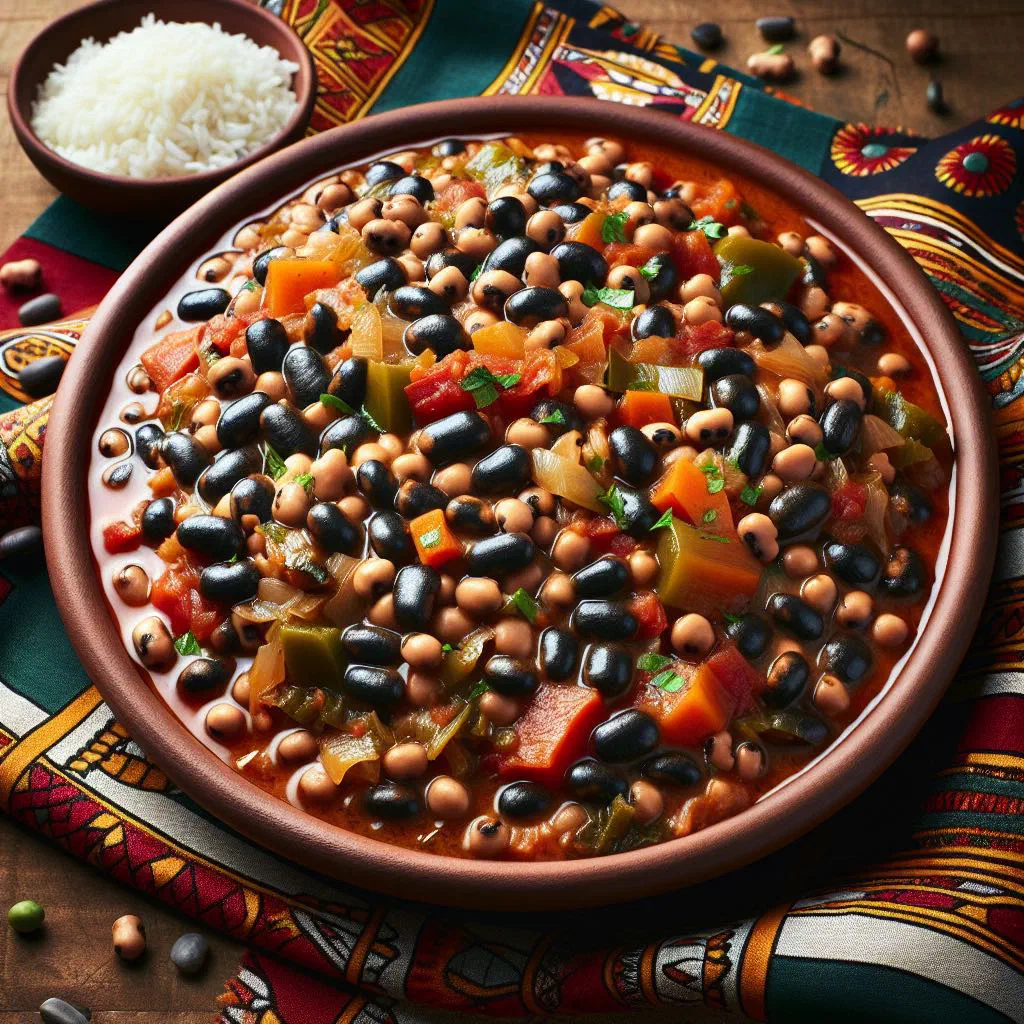
The way you present Mbakhalou Niébé can turn a meal into a special occasion. Serve it in a large bowl garnished with fresh herbs to create a lovely contrast against the dark beans. Colourful napkins and tableware make the experience all the more inviting. A few slices of lemon or lime add a refreshing note and double up nicely as a garnish.
A bit of history
Mbakhalou Niébé is deeply rooted in Senegalese culture and plays an important part in the tradition of communal gatherings. The pairing of beans and rice is widespread across West Africa, as together they provide a complete protein. The dish is a fine example of the ingredients available in the region and reflects the many cultures that have shaped Senegal. It also embodies the spirit of sharing and hospitality that lies at the heart of the Senegalese way of life, a value echoed throughout Senegalese cuisine.
More recipe ideas
Summary: Mbakhalou Niébé
Mbakhalou Niébé is a delicious, nourishing dish that captures the variety and flavours of Senegalese cooking. With its combination of black-eyed peas, rice and a handful of warming spices, it offers a distinctive taste that is perfect for sociable occasions. It is simple to prepare and leaves plenty of room for personal touches, which is exactly what makes it a firm favourite for so many. Let this traditional recipe inspire you and bring a little piece of Senegal into your own kitchen.