National Dish Senegal: Pastels de Poisson (Recipe)
In this article
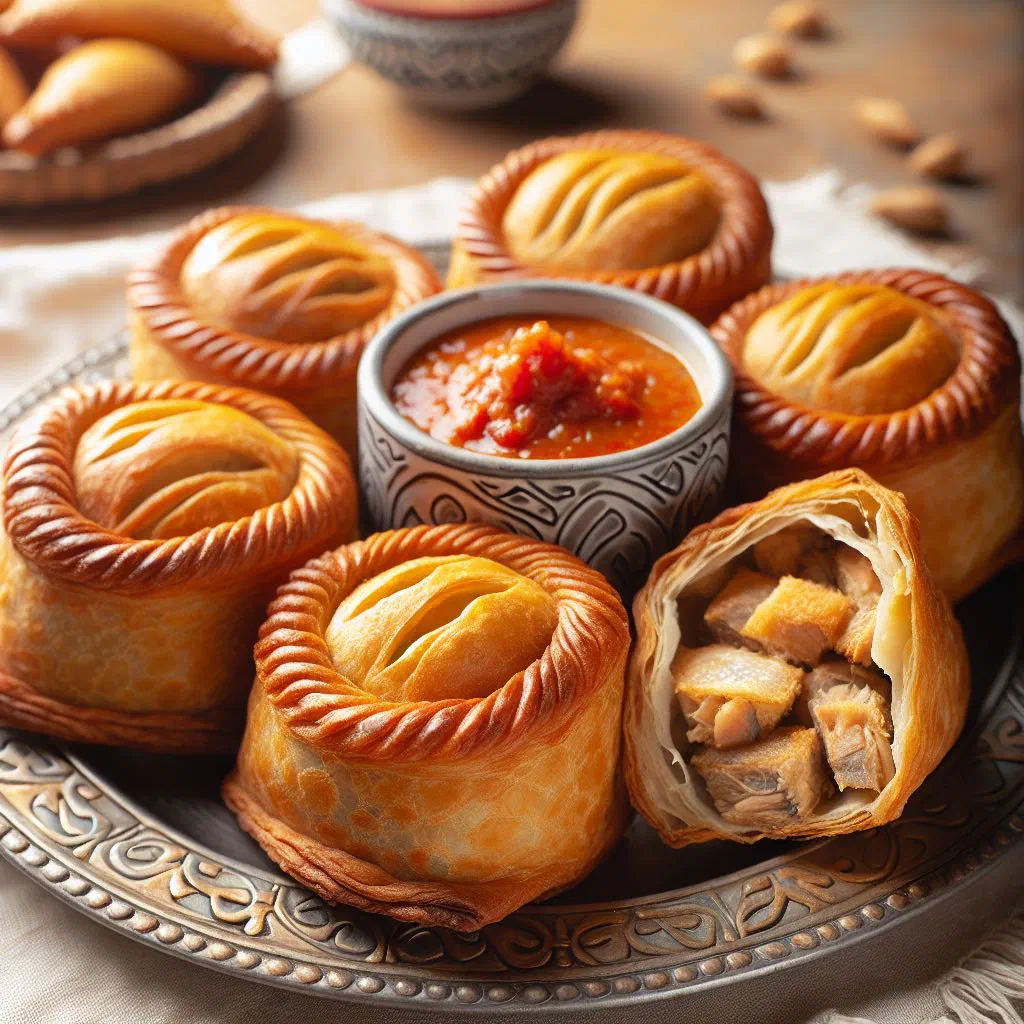
Discover Pastels de Poisson, one of Senegal’s best-loved savoury snacks. These crisp little pastries are stuffed with fresh fish, fragrant spices and finely chopped vegetables, then fried until golden and very good. They capture the warmth and coastal character of West African cooking. Bring a taste of Dakar straight to your own kitchen.
About Pastels de Poisson
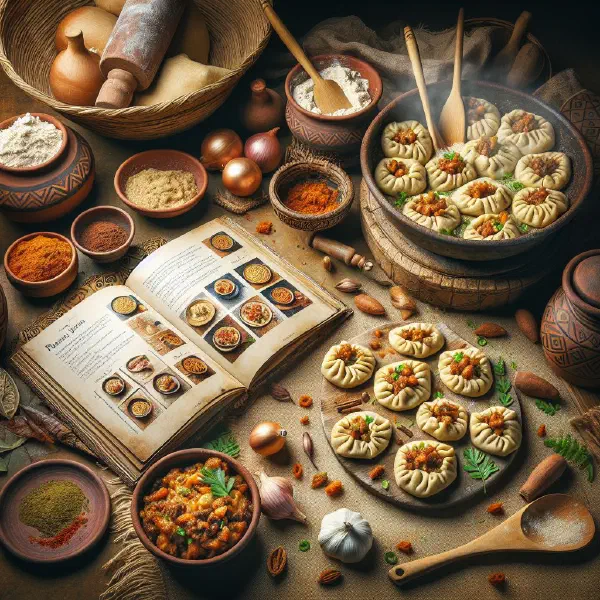
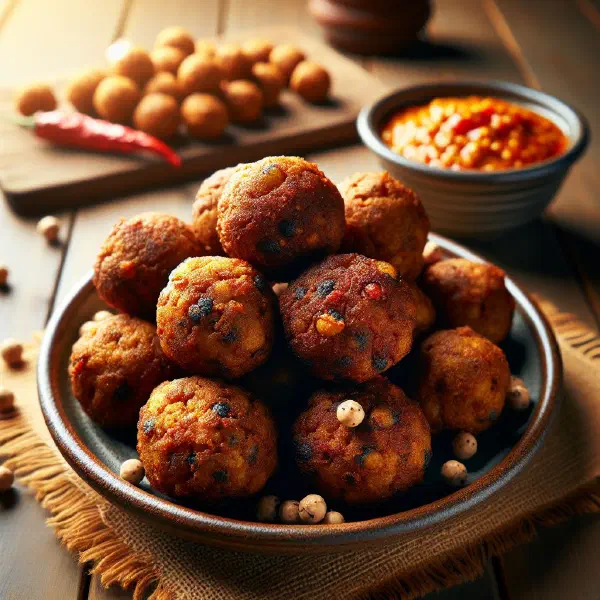
Pastels de Poisson are celebrated fish pastries from the Senegalese kitchen, served in many households as a much-loved delicacy. These crisp snacks are as delicious as they are simple to make. The filling is built around fresh fish, lifted with a blend of spices and vegetables that gives it its unmistakable aroma.
Ingredients (serves 1–2)
- 250 g fresh fish (such as cod or mackerel)
- 1 small onion, finely chopped
- 1 small carrot, grated
- 1 garlic clove, crushed
- 2 tablespoons fresh parsley, chopped
- 1 teaspoon barbecue seasoning or mixed spices
- Pastry for the parcels (such as puff pastry or homemade dough)
- Oil for frying
Shopping for the ingredients
To make the best Pastels de Poisson, it is worth choosing high-quality ingredients. Fresh fish is essential, as it determines both the flavour and the texture of the filling. Seek out local fishmongers or trusted supermarkets that offer fresh seafood. The other ingredients, such as the vegetables and spices, should likewise be fresh and aromatic to bring the dish to life.
Preparing the dish
Good preparation is a crucial step in making sure the pastry and the filling work well together. Start by cleaning and filleting the fish if it is still whole. Once the fish is ready, chop the vegetables and mix them with the spices to give the filling a bright colour and plenty of aroma. Let the mixture rest for a few minutes so the flavours have time to develop.
Step-by-step instructions
- Heat a pan of oil over a medium heat.
- In a bowl, combine the fish, vegetables and spices thoroughly.
- Roll out the pastry and cut it into small circles.
- Place the fish filling on the pastry circles and press the edges firmly together to seal.
- Carefully lower the filled parcels into the hot oil and fry until golden brown.
- Once fried, drain the pastels on kitchen paper to remove any excess oil.
- Serve warm and enjoy.
Gluten-free / lactose-free version
For a gluten-free version of Pastels de Poisson, you can use gluten-free flour to make the dough. Simply mix the flour with water and a pinch of salt until you have a smooth, workable pastry. If you want to avoid lactose, it is best not to add any fat from dairy products and to work with oil instead.
Tips for vegans and vegetarians
Vegan and vegetarian versions of Pastels de Poisson are entirely possible by replacing the fish with plant-based alternatives. A combination of lentils, chickpeas and vegetables makes for a wonderful protein-rich filling. With the right spices you can deepen the flavour to create an experience close to the traditional version. Tofu or tempeh also work well, readily soaking up the spices and lending the desired texture.
More tips and tricks
A few extra pointers can help you make your Pastels de Poisson even better. Make sure the oil is hot enough before you fry the parcels, otherwise they soak up oil and turn heavy. Reach for seasonings such as chilli or lemon juice to add extra freshness and a little heat. Be creative with the filling by using whatever seasonal vegetables you enjoy.
Adapting the recipe to your taste
The beauty of Pastels de Poisson lies in their versatility. You can adjust the filling to suit your own taste by trying different types of fish or vegetables. Experiment with various spice blends from the West African kitchen to weave in extra layers of flavour. Some prefer a spicier version while others like it milder, so you can shape the recipe exactly as you please.
Ingredient substitutions
If an ingredient is hard to find, there are plenty of alternatives. Instead of fresh fish you can use tinned tuna, which is a real time-saver. For the vegetables, choose seasonal options to keep the dish varied, the same generous, flavourful spirit you find in a hearty Maafe. You can also make the pastry yourself or fall back on ready-made products that are quick and practical.
Drink pairing ideas
Refreshing drinks that complement the flavours of the dish pair beautifully with Pastels de Poisson. A classic maize juice or a delicious hibiscus tea makes an excellent companion. These drinks are tasty and add a lovely splash of colour to the table. For a more festive occasion, a light beer or a fruity cocktail is well worth considering.
Serving and presentation ideas
An inviting presentation can lift the whole experience considerably. Serve the Pastels de Poisson on a colourful plate or in a basket lined with fresh herbs. A lively sauce, such as a spicy tomato dip, works wonderfully alongside them. Garnish the dish with fresh lemon slices and a scattering of parsley for a look that is every bit as appealing as the flavour.
A bit of history
Pastels de Poisson have their origins in the Senegalese kitchen and are a popular food often served at celebrations. The pairing of fresh fish and lively spices reflects the maritime culture of Senegal. This dish is a carrier of flavour and a symbol of the country’s culinary tradition, frequently enjoyed at social gatherings where it adds to the convivial atmosphere. It sits comfortably alongside classics of Senegalese cuisine such as the celebrated rice-and-fish Thieboudienne.
More recipe ideas
Summary: Pastels de Poisson
Pastels de Poisson are a delicious and crisp dish from the Senegalese kitchen that embodies both flavour and tradition. The pastels are always a hit. Enjoy a little piece of Senegal in your own kitchen and let this unique culinary experience win you over.