National Dish Serbia: Domaće Kiselo Mleko (Recipe)
In this article
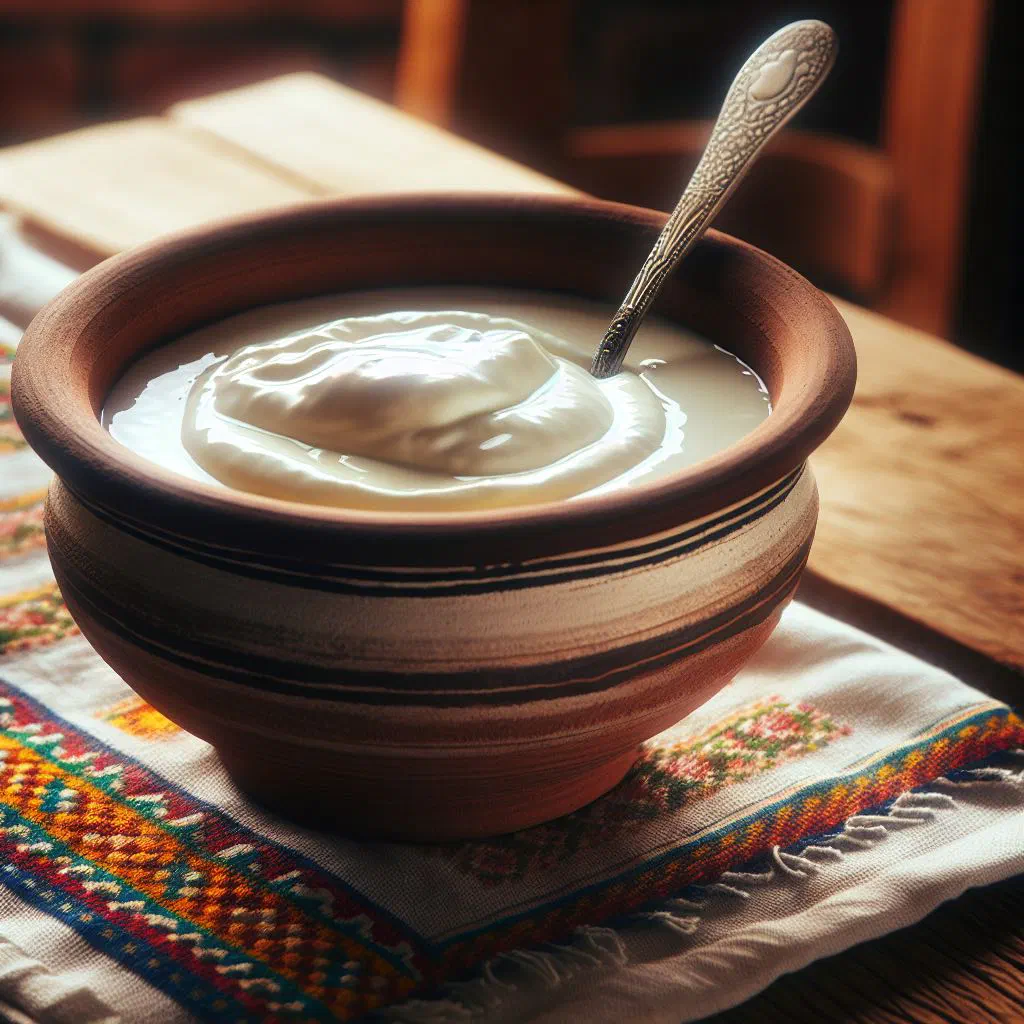
Say hello to Domaće Kiselo Mleko, the traditional Serbian homemade yoghurt that has graced Balkan tables for generations. Thick, creamy and pleasantly tangy, it needs nothing more than good milk, a spoonful of live culture and a little patience. The gentle fermentation delivers a wealth of probiotic cultures that are as kind to your gut as they are delicious. Whether spooned alongside a hearty stew or enjoyed on its own, this simple staple carries the honest, wholesome flavour of the countryside.
About Domaće Kiselo Mleko
Domaće Kiselo Mleko, the traditional Serbian homemade yoghurt, is far more than a simple foodstuff. It is a genuine symbol of Balkan cuisine, embodying the simplicity and flavour of traditional country cooking. With its creamy consistency and gently sour taste, it is the perfect companion to countless dishes. It also brings a host of health benefits thanks to the probiotic cultures it contains, which support digestion and help strengthen the immune system.
Ingredients (serves 1–2)
- 1 litre fresh whole milk
- 2–3 tablespoons natural yoghurt (as a starter culture)
- A little patience
Shopping for the ingredients
For a perfect batch of Domaće Kiselo Mleko, it pays to seek out high-quality ingredients. Visit a local farmers’ market or an organic shop for fresh milk, as the flavour of the yoghurt depends heavily on the quality of the milk. Look for milk that is untreated and free from additives so you keep that authentic taste. The natural yoghurt you use as a starter should likewise be free of any additions to give you the best possible result.
Preparing the dish
Before you begin, it is important to have all your utensils and ingredients ready to hand. That means a large pan, a thermometer, a mixing bowl and suitable containers for storing the finished yoghurt. The ambient temperature also plays a decisive role; a warm spot encourages fermentation. Make sure your work surface is spotlessly clean to avoid contaminating the cultures.
Step-by-step instructions
- Heat the milk in a large pan over medium heat until it is almost boiling.
- Remove the milk from the heat and let it cool to around 40–45°C.
- Stir in the natural yoghurt and mix well so the starter culture is evenly distributed.
- Cover the bowl with a tea towel and leave it in a warm place for 6–12 hours to ferment.
- Once it has fermented to your liking, spoon the finished Domaće Kiselo Mleko into containers and keep it in the fridge.
Gluten-free / lactose-free version
Domaće Kiselo Mleko is naturally gluten-free, as it consists of nothing but milk and yoghurt. For anyone with a lactose intolerance, there are special lactose-free milks on the market that work just as well for making the yoghurt. This milk has the same consistency and flavour, so those with a lactose intolerance can enjoy this delicious yoghurt too. Just remember to use a lactose-free yoghurt as your starter as well.
Tips for vegans and vegetarians
For vegans and vegetarians, plant-based yoghurt alternatives are the way to go. These can be made from almonds, coconut, soya or oats. Bear in mind that the consistency and flavour can vary, so a little experimenting goes a long way. Here too it is wise to choose a plant-based yoghurt without added sugar or preservatives to achieve the best result.
More tips and tricks
To get the very best Domaće Kiselo Mleko, a few extra tips can help. Use a yoghurt maker or a warming plate, for example, to keep the temperature constant during fermentation. These devices often provide the ideal environment for the cultures. Another tip is to vary the fermentation time according to the flavour and texture you want. A longer ferment makes the yoghurt tangier and thicker.
Adapting the recipe to your taste
The recipe for Domaće Kiselo Mleko is easy to adjust to your personal preferences. Some people like to add a little honey or vanilla for a sweeter note. You can also experiment with different additions such as fruit or nuts to give your yoghurt more flavour and texture. The wonderful thing is that you can shape it entirely to your own taste without altering the basic method.
Ingredient substitutions
If fresh whole milk is not available, you can also use pasteurised milk. It may not have quite the same flavour as fresh milk, but it will still do the job. When it comes to the starter culture, alternative yoghurts can be a good option, though do make sure they contain no unwanted additives. Plant-based yoghurt alternatives can likewise be used to prepare Domaće Kiselo Mleko in a vegan version.
Drink pairing ideas
Domaće Kiselo Mleko pairs beautifully with a range of drinks. A popular companion is a clear rakija as an aperitif, which rounds out the typical flavours of Serbian cuisine rather nicely. It can also be served with traditional drinks such as kompot (fruity juice) or simply with water. For a refreshing touch, cool herbal teas are another lovely way to balance the flavours of the yoghurt.
Serving and presentation ideas
The way you present your Domaće Kiselo Mleko can make a real impression. Serve it in attractive bowls or glasses that show off the colour and texture of the yoghurt. Garnish with fresh fruit, nuts or a drizzle of honey to enhance both the look and the flavour. A thoughtful presentation can lift the whole dining experience and turn your dish into a genuine eye-catcher.
A bit of history
Domaće Kiselo Mleko has a long history within Serbian culture. It originated in rural areas, where the method was handed down from one generation to the next. The art of making yoghurt is deeply rooted in tradition and was long regarded as a staple food. Many Serbian families see their homemade yoghurt as a valuable source of nourishment and a mark of hospitality, much as they do a hearty Sarma at a family gathering.
More recipe ideas
Summary: Domaće Kiselo Mleko
Domaće Kiselo Mleko is an essential element of Serbian cooking. Thanks to its fresh ingredients and the scope for individual tweaks, it is both healthy and endlessly versatile. It works wonderfully as an accompaniment to many dishes, a spoonful alongside Pljeskavica is hard to beat, or can simply be enjoyed on its own. With a little patience and a bit of joy in the making, you too can recreate this delicious traditional staple at home.