National Dish Serbia: Gibanica (Recipe)
In this article
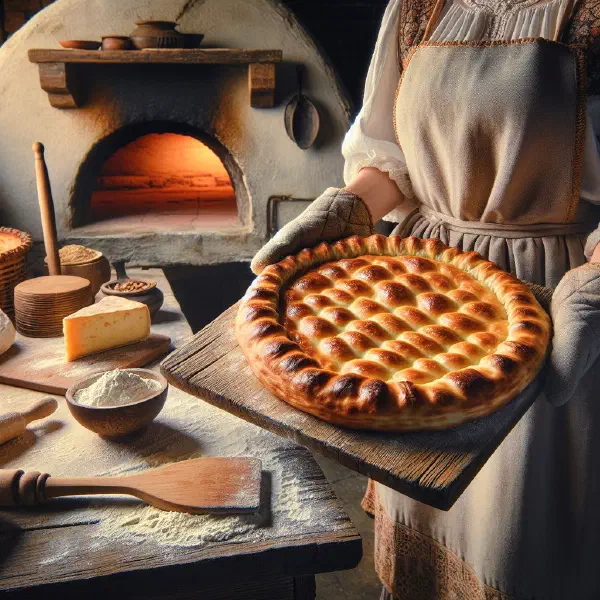
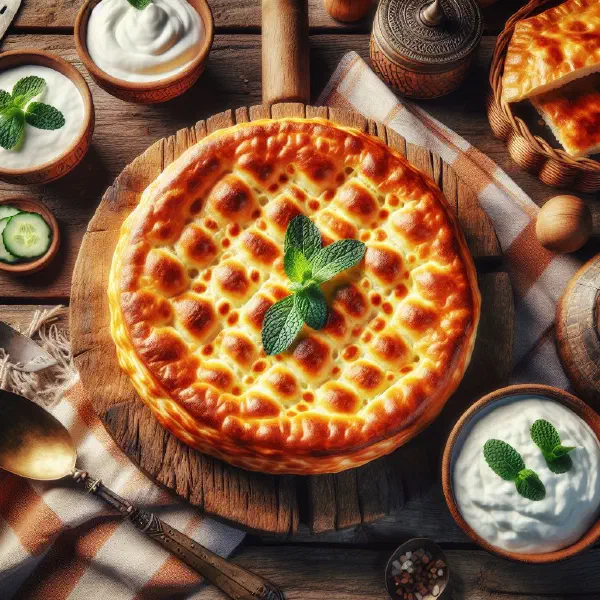
Discover Gibanica, one of Serbia’s most treasured dishes. This golden, layered pastry is filled with a rich mixture of cheese, eggs and yoghurt, baked until crisp and beautifully puffed. It is the sort of savoury bake that appears at festive tables and family gatherings across the Balkans, equally at home as a hearty snack or a satisfying main. Bring a little Serbian warmth to your own kitchen with this timeless classic.
About Gibanica
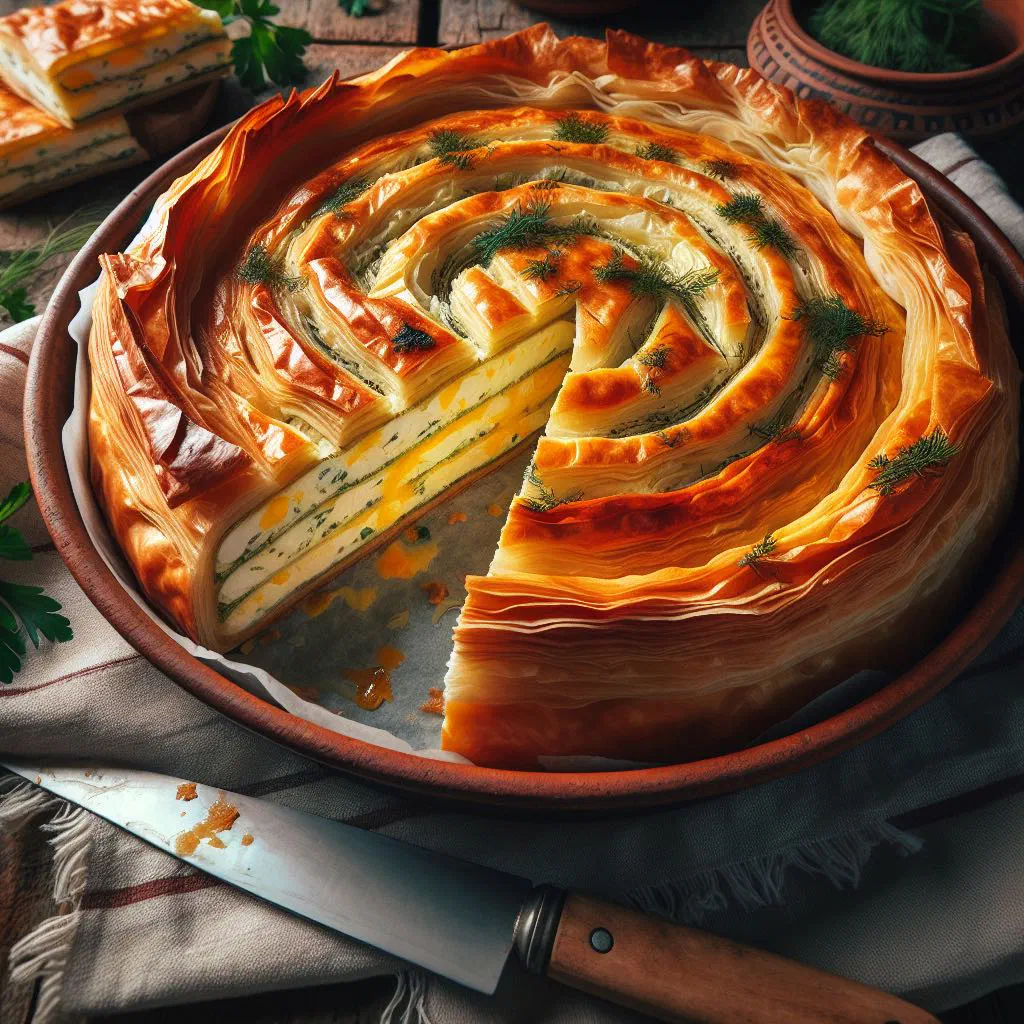
Gibanica is a distinctive dish with a long tradition in Serbia. These wonderfully layered filo pastries are filled with a mixture of cheese, eggs and yoghurt, and they are far more than just a popular snack. They are a firm fixture of Serbian cuisine at festive occasions and family reunions. With its savoury flavour and its versatility, gibanica is beloved by locals and visitors alike, a dish that turns any table into a celebration.
Ingredients (serves 1–2)
- 250 g filo or puff pastry
- 200 g feta cheese, or another cheese of your choice
- 2 eggs
- 150 g yoghurt
- Salt and pepper, to taste
- 1 tablespoon oil, for greasing
Shopping for the ingredients
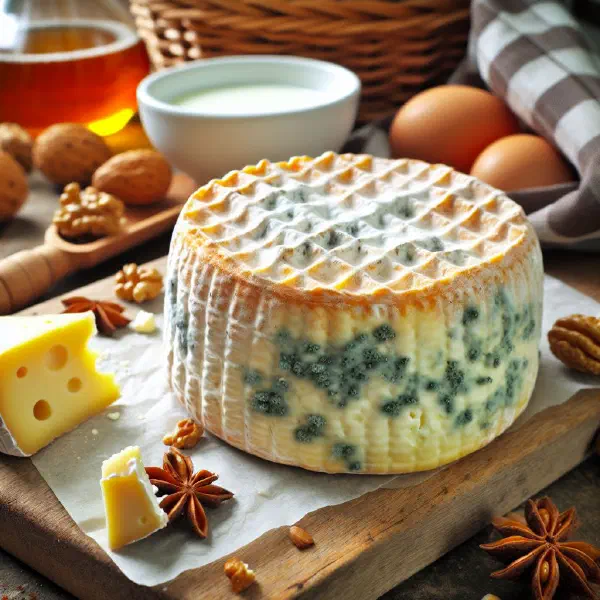
To find the best ingredients for your gibanica, it is worth visiting a local market or a well-stocked supermarket. When choosing your cheese, make sure it is fresh, as its quality is crucial to the flavour of the finished dish. The yoghurt should likewise be of good quality to guarantee a creamy filling. If you have particular dietary requirements, take care to select suitable alternatives to the traditional ingredients.
Preparing the dish
Preparing gibanica is both straightforward and rewarding. Start by gathering all your ingredients and clearing a clean work surface. If you are using chilled pastry, take it out of the fridge and let it come up to temperature a little so it is easier to handle. Check over all your ingredients and adjust as needed to guarantee a perfect result.
Step-by-step instructions
- Preheat the oven to 180°C and grease a baking dish with oil.
- Crumble the cheese into a bowl and mix it with the eggs and yoghurt. Season the mixture with salt and pepper to taste.
- Roll the pastry out on a floured surface and cut it into rectangles.
- Spoon a little of the cheese mixture onto each piece of pastry and gather it up to enclose the filling.
- Arrange the filled parcels in the prepared dish and bake for 30–35 minutes, until golden brown.
Gluten-free / lactose-free version
To adapt gibanica for gluten-free or lactose-free diets, you can use gluten-free pastry along with lactose-free cheese and yoghurt. Several producers offer excellent alternatives that are similar in texture and flavour to the traditional ingredients. Keep an eye on the labels while shopping to make sure the products meet your needs. You can enjoy gibanica in its gluten-free and lactose-free versions with no compromise on taste.
Tips for vegans and vegetarians
For anyone following a vegan diet, gibanica is easily adapted by swapping the animal products for plant-based alternatives. Use tofu or seitan in place of the cheese and eggs, and combine them with plant-based yoghurt. There are also excellent vegan cheese alternatives that melt well and deliver plenty of flavour. These adjustments slot neatly into the traditional method, so vegans too can enjoy this delicious speciality.
More tips and tricks
A few simple pointers can make your gibanica even tastier. The pastry should not be overworked, so that the characteristic layers are preserved. You can also add herbs such as thyme or parsley to the filling for extra aroma. Let the gibanica rest for a few minutes after baking before serving, so the flavours have time to settle.
Adapting the recipe to your taste
Gibanica is a wonderfully versatile dish that adapts easily to personal preference. Adding vegetables such as onions, spinach or peppers can also bring an interesting twist to the recipe, much like the greens that fill a hearty Kupusara.
Ingredient substitutions
If you do not have certain ingredients to hand or simply do not care for them, gibanica offers plenty of alternatives. Instead of feta cheese, you might use ricotta or any other cheese you prefer or have available. The eggs can be replaced with a plant-based egg substitute. This flexibility means you can always shape the gibanica to your own taste, in the same spirit as the cheese-filled Kiflice Sa Sirom.
Drink pairing ideas
The right drink can greatly enhance the experience of eating gibanica. A refreshing yoghurt drink is a classic choice that pairs beautifully with the savoury flavours of the dish. Alternatively, a light white wine can complement the taste. For a non-alcoholic option, a fruity juice or a cool tea makes an excellent match.
Serving and presentation ideas
Gibanica can also be served very attractively, which lifts the whole experience. Present it on a handsome plate, garnished with fresh herbs or a spoonful of yoghurt sauce. A lovely salad on the side can also improve the presentation. Remember to serve the dish warm, so the flavours come through at their very best.
A bit of history
Gibanica has its origins in Balkan cooking and is part of Serbia’s culinary heritage. The dish was traditionally passed down from generation to generation, reflecting the culture and traditions of the region. Gibanica is often prepared for special occasions, festivals and family celebrations, and it is a symbol of community and togetherness. The combination of simple, quality ingredients makes it a timeless classic of Serbian cuisine, alongside beloved bakes like Burek.
More recipe ideas
Summary: Gibanica
Gibanica is a versatile and traditional Serbian dish that appeals to with its savoury flavour. The combination of crisp pastry and creamy filling makes it an ideal choice for snacks, main courses or festive occasions. With a few simple adjustments, it can be made to suit a range of dietary needs and preferences. Gibanica remains a highlight of Balkan cuisine.