National Dish Serbia: Homemade Rakija (Recipe)
In this article
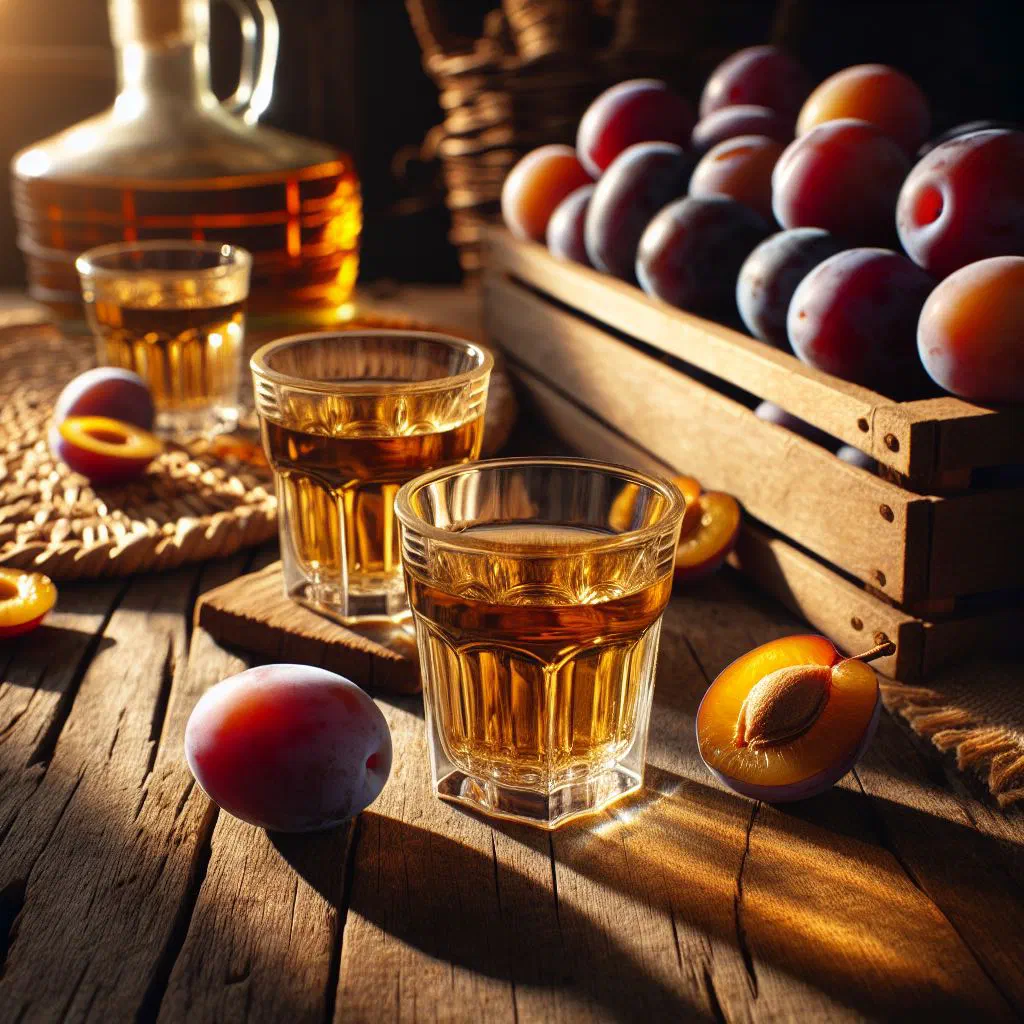
Raise a glass to Homemade Rakija, the fiery fruit brandy at the very heart of Serbian hospitality. Distilled from ripe seasonal fruit such as plums, apples and grapes, this noble spirit carries generations of family tradition in every drop. Poured to welcome guests and to mark every celebration, rakija is far more than a drink. It is a warm gesture of community. Here is how to bring a taste of Serbia into your own home.
About Homemade Rakija
Homemade Rakija is a traditional Serbian spirit made from fresh fruit such as grapes, plums and apples. This noble drop has a long history and is deeply woven into Serbian culture. In many households, making rakija is a kind of family tradition, handed down from one generation to the next. At celebrations and social gatherings it plays a central role, strengthening the sense of hospitality and togetherness that Serbians hold dear.
Ingredients (serves 1–2)
- 1 kg fresh fruit (plums or apples, for example)
- 0.5 kg sugar (to taste)
- 1.5 l water
- 1 packet of yeast
- A dash of lemon juice
Shopping for the ingredients
When shopping for the ingredients for rakija, it is important to choose high-quality, fresh fruit. Think about where you source your produce so you can guarantee the best flavours. Local markets or fruit growers are often the best choice, as they offer the freshest crops. You should also pay attention to the quality of the sugar and the yeast, as these can strongly influence the fermentation process.
Preparing the dish
Preparing to make rakija takes a little time, but the effort is well worth it. Begin by washing the fruit thoroughly and removing the stones if you wish. Crushing the fruit properly is crucial, as it breaks down the cell structure and makes fermentation easier. In keeping with tradition, it is common to use a wooden masher to pound the fruit evenly.
Step-by-step instructions
- Prepare the fruit: wash, stone and crush it.
- Mix: put the crushed fruit into a large vessel and combine with the water and sugar.
- Ferment: add the yeast and stir everything well.
- Cover: cover the vessel with a cloth and leave it to ferment at room temperature.
- Distil: after 1–2 weeks, transfer the mixture to a still and heat it.
- Bottle: pour the rakija into bottles and store it in a cool place.
Gluten-free / lactose-free version
Homemade Rakija is naturally gluten-free and lactose-free, which makes it an excellent choice for people with food intolerances. Using fresh fruit and simple ingredients means everyone can enjoy this tradition. Simply avoid adding any other ingredients that contain gluten or lactose, so the purity of the recipe is preserved.
Tips for vegans and vegetarians
Making rakija is ideal for vegans and vegetarians, as it uses only plant-based ingredients. You can pick whichever fruit you like to create different flavour profiles. Remember to try creative variations by using seasonal fruit or exploring unusual combinations. This encourages your creativity and ensures everyone can enjoy the delicious spirit.
More tips and tricks
When it comes to making rakija, a few helpful tips go a long way towards the best result. Take care to keep the fermentation environment clean and free of draughts. This promotes healthy yeast cultures and ensures a pure aroma. It is also important to wait for the right moment to distil, so you capture the very best flavours.
Adapting the recipe to your taste
Homemade Rakija can take on your personal signature simply by adjusting the ingredients and the fermentation process to your preferences. Experiment with the amount of sugar, or try different fruit varieties to create new flavours. Nothing stops you from adding spices, either, to give the spirit an extra dimension. Your individual tweaks can lead to a truly unique and remarkable tasting experience.
Ingredient substitutions
If certain ingredients are hard to find in your region, you can use alternatives. Instead of sugar, for instance, you might use honey or another sweetener to lend the drink a special note, much like the sweetness that defines a jar of Plum Preserve. In place of conventional yeast you could also harness wild yeasts from the surrounding air, which can give the rakija a very distinctive character.
Drink pairing ideas
Homemade Rakija pairs wonderfully with a range of drinks. Experiment with cocktails or serve it neat to bring out the flavours at their best. Mixed drinks with citrus, soda or tonic water are also popular and offer a refreshing change. Another idea is to serve rakija alongside a classic dish of Serbian cuisine to intensify the whole tasting experience.
Serving and presentation ideas
The presentation of rakija can add a great deal to the overall impression. Serve the spirit in beautiful glasses and garnish them with fresh herbs or fruit. An attractive bottle or a handcrafted vessel can also enhance the display. Don’t forget to clink your glasses together on special occasions and keep the tradition of toasting alive.
A bit of history
Homemade Rakija has a history that reaches back to antiquity. It was traditionally produced in the rural areas of Serbia and is a symbol of hospitality and community. The method has been refined over the years, with many families developing their own secrets and techniques to get their rakija perfectly balanced. This heritage is kept alive to this day, to the pleasure of locals and visitors alike.
More recipe ideas
Summary: Homemade Rakija
In short, Homemade Rakija is a delicious spirit and a living example of Serbian tradition and hospitality. Making it is a shared experience that helps strengthen family bonds and create memories. The art of rakija-making can be accessible and enjoyable for everyone. Give it a try and bring a piece of Serbia into your home.