National Dish Serbia: Leskovac Fritters (Recipe)
In this article
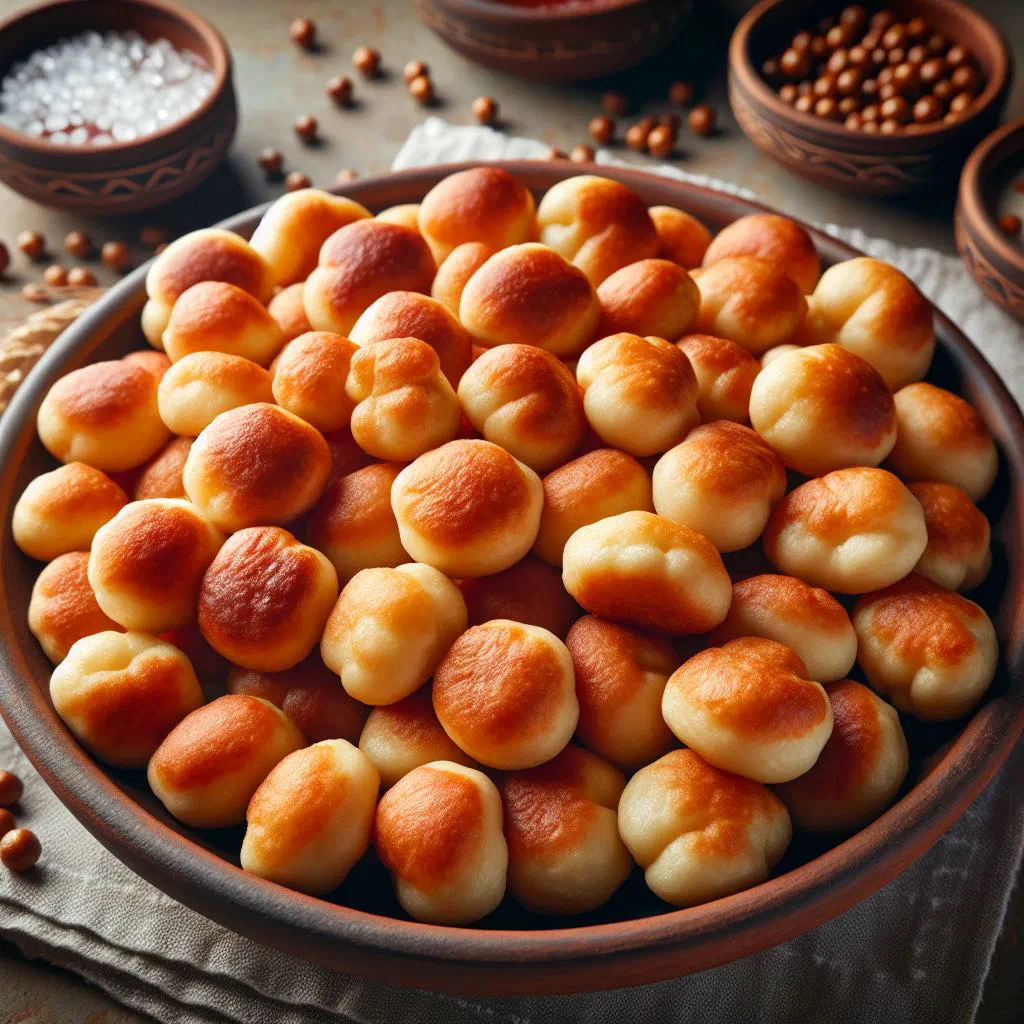
Meet Leskovac fritters, one of the great little treats of the Serbian kitchen. These savoury balls of dough fry up crisp on the outside and wonderfully fluffy within, and they turn up everywhere from village feasts to lazy weekend breakfasts across the Balkans. Simple to make and endlessly adaptable, they are just as happy as a dippable starter as they are alongside a hearty main. Bring a taste of the town of Leskovac straight to your own table.
About Leskovac Fritters
Leskovac fritters are savoury dough balls with roots deep in Serbian cooking. Crisp and golden outside, soft and airy inside, these little morsels are a firm fixture of Balkan gastronomy. They are often served as a dippable starter or a moreish side, and they turn up at celebrations and family gatherings of every kind. Their easy preparation and many possible variations make them a must for anyone who loves good food.
Ingredients (serves 1–2)
- 250 g plain flour
- 1 tsp baking powder
- 1 tsp salt
- 1 egg
- 200 ml water or milk
- Vegetable oil, for deep-frying
Shopping for the ingredients
To make Leskovac fritters at their best, gather your ingredients from a well-stocked grocer or a lively farmers’ market. Look for freshness above all, particularly with the egg and the milk. Good-quality flour is key to the right dough consistency, so reach for a reliable brand. The right frying oil delivers that crisp bite and the perfect golden colour, much as it does for classic Serbian Ustipci.
Preparing the dish
Getting Leskovac fritters ready is simple and takes only a few steps. Begin by setting out all your ingredients and gathering your kit, such as a mixing bowl and a pan for frying. Check that you have plenty of room to work so the kitchen stays clean and organised. A well-prepared work surface makes the whole cooking process quicker and far more enjoyable.
Step-by-step instructions
- In a bowl, thoroughly combine the flour, baking powder and salt.
- Add the egg and the water or milk, and stir everything into a smooth batter.
- Heat the vegetable oil in a deep pan until it is properly hot.
- Using a spoon, drop small portions of the batter into the hot oil and fry until golden brown.
- Drain the fritters on kitchen paper and serve them warm.
Gluten-free / lactose-free version
For a gluten-free take on Leskovac fritters, use a gluten-free flour blend; there are special mixes that suit fried batters beautifully. To make the fritters lactose-free, swap the milk for a plant-based alternative such as almond or oat milk. These ingredients give the dish the consistency you want and preserve the delicious flavour of the traditional recipe.
Tips for vegans and vegetarians
Vegans can adapt Leskovac fritters easily by leaving out the egg or replacing it with mashed banana or apple purée, which help bind the dough in much the same way. Plant-based milk or cream also works well for a creamy result. Vegetarians can keep to the classic ingredients to hold on to that authentic taste.
More tips and tricks
To make sure your Leskovac fritters come out perfectly, keep a close eye on the oil temperature. If the oil is too hot, the outsides may scorch while the middles stay raw. Let the batter rest for a few minutes before frying so the ingredients bind together properly. Feel free to experiment with different spices to ring the changes on flavour.
Adapting the recipe to your taste
It is easy to tailor Leskovac fritters to your own preferences. Stir fresh herbs or diced vegetables into the batter for extra flavour and nourishment. If you like a bit of heat, scatter in some chilli or paprika. The variations are all but endless and leave plenty of room for creative kitchen experiments, a spirit shared by dishes like Ajvar.
Ingredient substitutions
If you are missing certain ingredients, there are a few alternatives worth trying. Instead of baking powder, you can use hot water with bicarbonate of soda to lighten the fritters. For a gluten-free version, quinoa or chickpea flour could be a suitable option. Choosing groundnut oil for frying can also lend the fritters some interesting new nuances of flavour.
Drink pairing ideas
A range of drinks pairs beautifully with Leskovac fritters and brings out the flavours of the dish. Traditionally a robust Serbian red wine is served, complementing the savoury notes nicely. Alternatively, a sparkling lemonade or a freshly made yoghurt drink makes a refreshing companion, or pour a shot of homemade Rakija. Experiment with different drinks to find your perfect combination.
Serving and presentation ideas
An attractive presentation lifts the whole Leskovac fritter experience. Serve the fritters on a handsome wooden board and garnish them with fresh herbs or dried spices for a splash of colour. Offer various dips, such as yoghurt or spicy sauces, to reflect the roots of the Serbian kitchen. The right arrangement makes the dish even more appetising and inviting.
A bit of history
Leskovac fritters take their name from the town of Leskovac in Serbia, famed for its savoury snacks and street food. These dough balls were originally made by farmers and labourers to fuel a hard day’s work. Over the years they have grown into an important part of Serbian food culture and are found throughout the regions of Balkan cooking. Their popularity is clear from how often they appear at feasts and celebrations across Serbian cuisine.
More recipe ideas
Summary: Leskovac Fritters
Leskovac fritters are a true delicacy of the Serbian kitchen, winning admirers with their simple make-up and their satisfying preparation. With a short ingredient list and endless versatility, they are ideal for any occasion, whether as a main dish or a snack. This dish brings a slice of Balkan tradition to the table and appeals to food lovers the world over. Enjoy these savoury fritters, and discover the fascinating flavours and history of Serbian gastronomy.