National Dish Serbia: Pokiseli Kupus (Recipe)
In this article
Say hello to Pokiseli Kupus, a warming braised sauerkraut dish that sits right at the heart of Serbian home cooking. Softened onions, sweet grated carrot and tangy fermented cabbage come together with a whisper of caraway and a generous dusting of paprika, making a dish that is as comforting on a cold evening as it is bright and moreish. Serve it as a hearty side or let it take centre stage as a light main, either way it brings a genuine taste of the Balkans straight to your table.
About Pokiseli Kupus
Pokiseli Kupus is a traditional Serbian dish that captures the very soul of Balkan cooking. This delicious sauerkraut dish is built around fresh, crisp ingredients and delivers a unique, mouth-watering flavour that wakes up the senses in an instant. It is often served as a side, yet it works beautifully as a main course in its own right. Beyond being genuinely tasty, Pokiseli Kupus is rich in nutrients that will keep you going right through the day, the same wholesome quality you find across Serbian cuisine.
Ingredients (serves 1–2)
- 500 g sauerkraut
- 1 onion, diced
- 2 carrots, grated
- 100 g smoked bacon, diced (optional)
- 2 tablespoons olive oil
- 1 teaspoon paprika
- Caraway seeds, to taste
- Salt and pepper, to taste
Shopping for the ingredients
To get the best results from your Pokiseli Kupus, it pays to choose good-quality ingredients. Head to a nearby market or a specialist food shop to pick up freshly fermented sauerkraut, as this makes all the difference to the flavour of the finished dish. Make sure the onions and carrots are fresh and crisp so the aromas really come through. If you fancy adding smoked bacon, look for a good-quality cut here too, as it lends the dish a lovely depth.
Preparing the dish
Getting Pokiseli Kupus ready is simple and rather enjoyable. First, it is important to rinse the sauerkraut thoroughly to wash away any excess salt and soften its sharpness. The onions should be diced while the carrots are grated, giving the dish an even, consistent texture. If you are using smoked bacon, cut it into small cubes too, so it releases its flavour evenly as everything cooks.
Step-by-step instructions
- Heat the olive oil in a large frying pan.
- Add the diced onions and fry until golden brown.
- If you are using smoked bacon, add it now and fry everything together.
- Stir in the sauerkraut and the grated carrots, mixing well.
- Season the dish with paprika, caraway, salt and pepper to taste.
- Let it simmer over medium heat for about 20 minutes so the flavours can develop.
- Serve the Pokiseli Kupus hot, garnished with fresh herbs.
Gluten-free / lactose-free version
Preparing Pokiseli Kupus is naturally gluten-free and lactose-free, as long as you take care not to add bacon or any other ingredients that contain those elements. The dish is easily adapted to particular dietary needs simply through your choice of ingredients. Make sure everything you use meets those requirements, so you can enjoy a delicious and safe meal. Tuck in to your heart’s content, without ever compromising on flavour.
Tips for vegans and vegetarians
There are plenty of ways for vegans and vegetarians to adapt Pokiseli Kupus without losing its hearty character. Instead of bacon, you can reach for smoked vegetable stock or smoked tofu to add depth to the dish. Spices such as smoked paprika bring a similar savoury note that makes up for the absence of animal products. With these swaps the dish stays rich and satisfying while sitting comfortably with the values of every diner, much like the meat-free Posna Sarma.
More tips and tricks
The preparation of Pokiseli Kupus can be improved even further with a few small tricks. A longer cooking time gives you more intense aromas, sometimes it is worth letting the dish sit over a low flame for a good while. You can also experiment with different spices to give your dish its own personal touch. Remember to taste the dish before serving and adjust the seasoning if needed, so it turns out exactly to your liking.
Adapting the recipe to your taste
The beauty of Pokiseli Kupus lies in just how versatile the recipe is. Feel free to adjust the ingredients according to preference or availability. Fancy adding more vegetables? Try it with peppers or courgette. A splash of white wine can also give the dish an interesting extra layer of complexity. Bear in mind that every variation reflects your own personal taste and makes the dish uniquely yours.
Ingredient substitutions
If you do not have every ingredient to hand, there are many alternatives for Pokiseli Kupus. Instead of fresh sauerkraut, you can use other pickled vegetables, giving the dish a different but equally delicious dimension. Paprika can be swapped for dried chillies if you prefer a spicier note. Be creative and discover which combinations you enjoy the most, the sort of freewheeling approach that also suits a rustic Kupusara.
Drink pairing ideas
To round off the flavour experience of Pokiseli Kupus, a few drinks pair perfectly with it. A cold, refreshing beer complements the flavours of the food wonderfully, while a fruity white wine balances the tang of the sauerkraut. For alcohol-free options, a lively apple or grape juice works a treat. The choice of drink can have a real impact on the whole meal and make it truly memorable.
Serving and presentation ideas
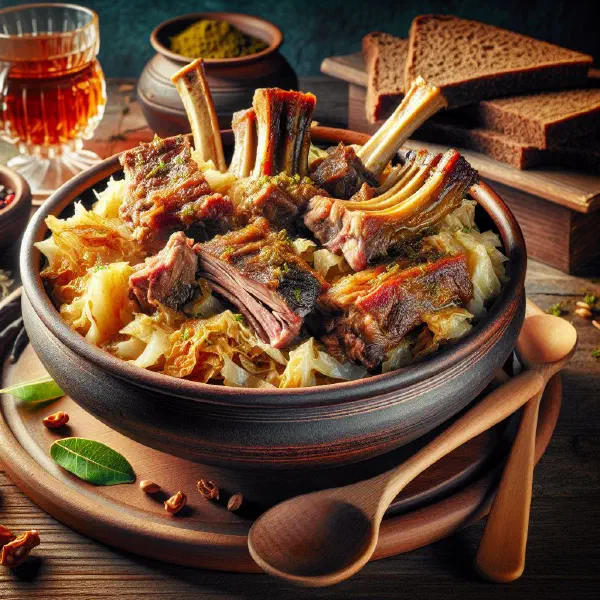
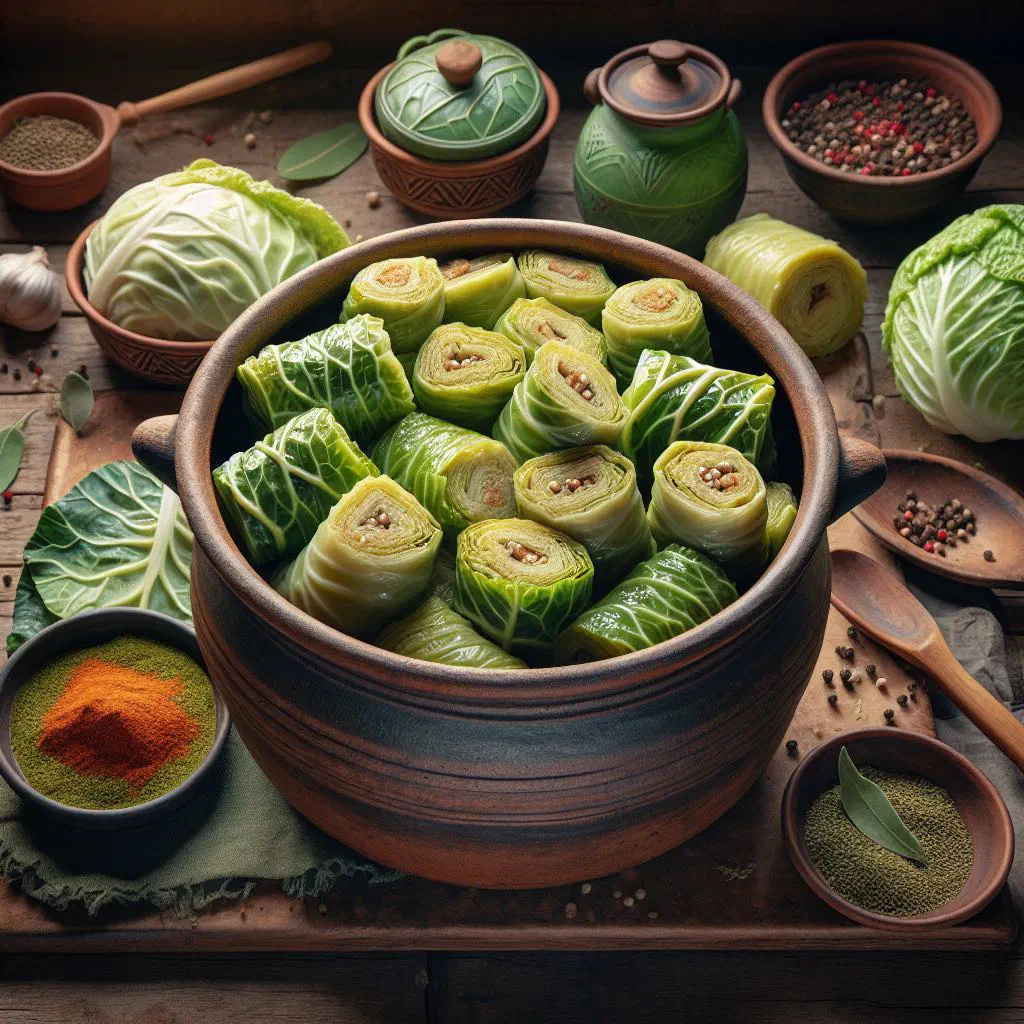
An appealing presentation makes any meal special, and your Pokiseli Kupus is no exception. Serve the dish in a rustic ceramic bowl that underlines its traditional character. Fresh herbs such as parsley or chives can be used as a garnish to bring colour and freshness. Another visual highlight is using a variety of tableware that contrasts nicely with the yellow or green vegetables and lifts the whole presentation.
A bit of history
The dish Pokiseli Kupus has its roots in Serbian tradition and has been passed down through families for many generations. Sauerkraut is a key part of Balkan cuisine, as it keeps well for a long time and offers an excellent source of nutrients. The combination of vegetables and spices reflects the creativity and adaptability of the people in this region. Every household has its own version, which gives the dish a personal touch and makes it perfect for sharing, as does the celebrated cabbage roll Sarma.
More recipe ideas
Summary: Pokiseli Kupus
In summary, Pokiseli Kupus is a hearty, traditional Serbian dish that is easy to make at home. With fresh ingredients and simple instructions, you can discover a whole range of flavours and add your own personal touch. Thanks to its versatility, it suits vegetarians and meat lovers alike, which makes it a firm favourite for everyone. Experience Serbian cooking in a new way and savour the authentic taste of Pokiseli Kupus.