National Dish Serbia: Sarmale (Recipe)
In this article
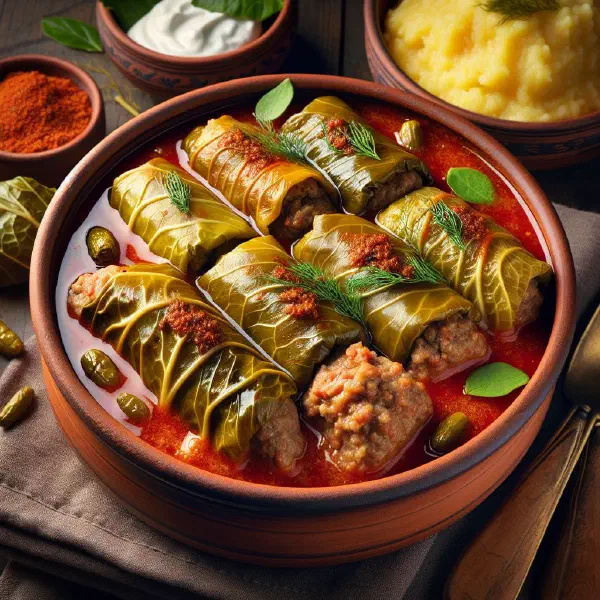
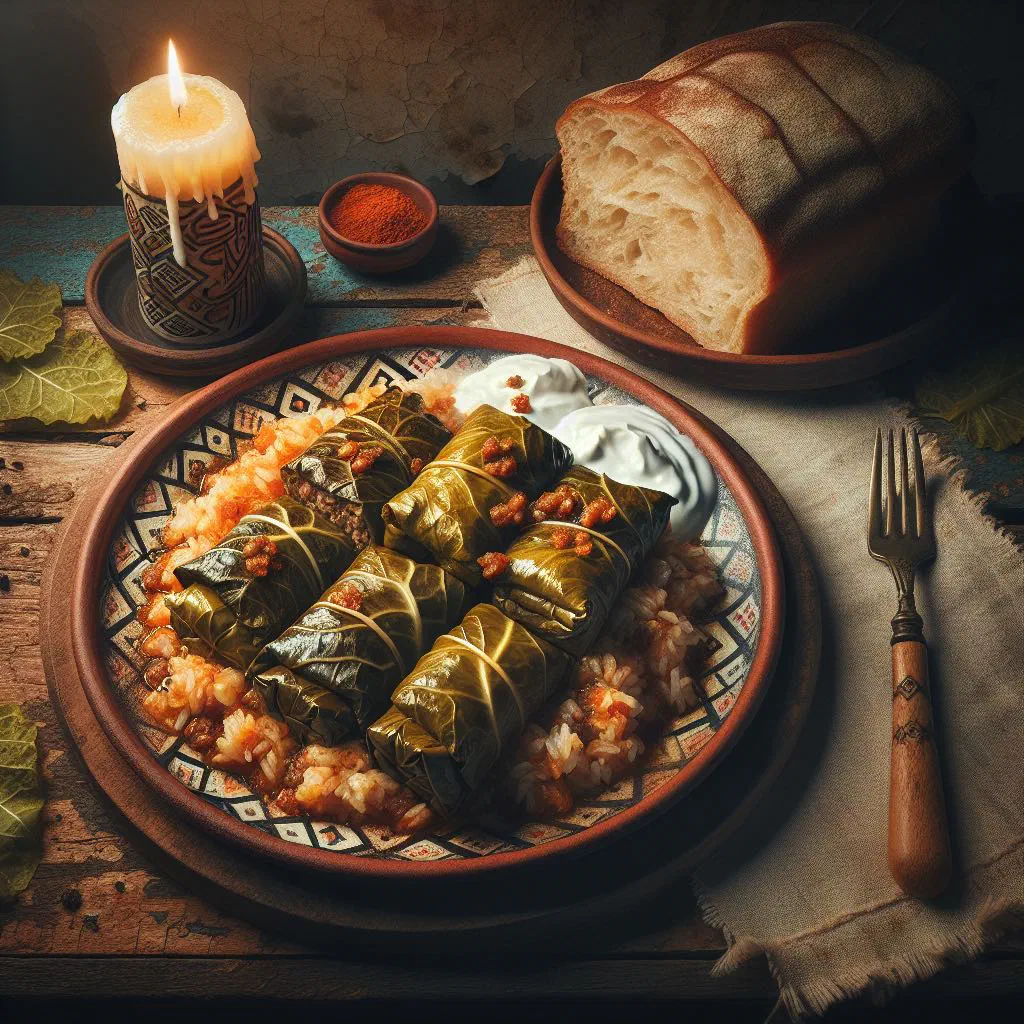
Meet Sarmale, the hearty soul of the Serbian table and a dish reserved for the most special of occasions. Tangy sauerkraut leaves are wrapped snugly around a savoury filling of minced meat and rice, then left to simmer low and slow until every parcel is meltingly tender. The gentle sourness of the fermented cabbage against the rich, spiced filling makes for a memorable mouthful, proper comfort food that rewards a little patience with a great deal of flavour.
About Sarmale
Sarmale sit right at the heart of Serbian cuisine and are widely regarded as the country’s national dish. These stuffed cabbage rolls carry a real sense of culinary heritage and appear above all at festive gatherings such as Christmas and Easter. What sets them apart is the marriage of fermented sauerkraut leaves, which lend a fine, sharp tang, and a well-seasoned filling of minced meat and rice. Cooked slowly and with plenty of care, the dish develops a distinctive depth of flavour that gladdens the heart of any food lover.
Ingredients (serves 1–2)
- 10 large sauerkraut leaves
- 200 g minced meat (mixed or pork)
- 50 g rice
- 1 small onion, finely chopped
- 2 cloves garlic, finely chopped
- 1 teaspoon sweet paprika
- 1 teaspoon dried thyme
- Salt and pepper, to taste
- 2 tablespoons tomato purée
- 500 ml beef or vegetable stock
- Diced bacon or smoked bacon (optional)
- Fresh dill, to garnish (optional)
Shopping for the ingredients
For authentic sarmale, look out for good-quality sauerkraut leaves that are ideally already pickled and therefore supple enough to fill and roll. When it comes to the meat, it is well worth asking your trusted butcher for fresh minced meat. With the rice, choose a variety that does not turn too sticky, so the filling holds together nicely without becoming stodgy.
Preparing the dish
Before you start assembling the sarmale, take the time to prepare the cabbage leaves properly. If they feel too firm, blanch them briefly in hot water so they soften and become more flexible. It also helps to chop all the filling ingredients evenly and finely, so the aromas distribute well and every roll tastes as good as the last.
Step-by-step instructions
- Gently sweat the onion and garlic in a pan until soft and translucent.
- Add the rice and fry briefly, then stir in the minced meat and mix everything together well.
- Season with paprika, thyme, salt and pepper.
- Fill the sauerkraut leaves: place a little of the meat-and-rice filling on each leaf and roll it up carefully.
- In a pot, fry the diced bacon if using, add the tomato purée and deglaze with the stock.
- Layer the sarmale into the pot and let them simmer over low heat for about 2 hours.
Gluten-free / lactose-free version
Sarmale are naturally suited to a gluten-free and lactose-free diet, since the filling relies on rice rather than breadcrumbs. Do double-check the stock and any tomato purée, as some shop-bought versions can contain hidden gluten. There is no dairy in the classic recipe, so it is already lactose-free, though a spoonful of soured cream on the side can be swapped for a plant-based alternative if you like.
Tips for vegans and vegetarians
Sarmale adapt beautifully to a meat-free table. Vegetarians and vegans can replace the minced meat with a savoury mixture of mushrooms, lentils and nuts, which keeps the filling hearty and satisfying. Use vegetable stock in place of beef stock and leave out the bacon for a fully plant-based result. For inspiration, the traditional lenten rolls in Posna Sarma show just how good a meat-free version can be.
More tips and tricks
Patience is the real secret to good sarmale. Make sure the rolls simmer away gently, as this is what allows them to develop their full flavour. You can enrich the aromatic liquid the sarmale cook in with extra spices such as bay leaves or juniper berries, which add another layer of fragrance. A snug-fitting pot keeps the parcels in place and stops them unravelling as they cook.
Adapting the recipe to your taste
These traditional cabbage rolls are easy to tailor to your own preferences. Fans of a bit of heat can stir some chilli into the filling for a spicier version, while a milder palate might simply hold back on the pepper. You can also play with the meat, using all pork for richness or a leaner mix, much as the grilled classics Ćevapi reward a little experimentation with the blend.
Ingredient substitutions
If you cannot get hold of sauerkraut leaves, fresh white cabbage leaves make a fine stand-in. Just blanch them briefly first so they soften and roll neatly. Instead of beef or vegetable stock, chicken stock works well too and gives the sarmale a slightly different accent. These small swaps let you adapt the recipe to what is in season or simply to what you have to hand.
Drink pairing ideas
A full-bodied red wine pairs wonderfully with the robust flavour of sarmale. In Serbia the traditional choice would be a glass of šljivovica, the country’s beloved plum brandy. For a non-alcoholic alternative, a hearty tomato juice or an aromatic apple juice both stand up nicely to the tang of the cabbage.
Serving and presentation ideas
Serve the sarmale in a deep bowl and ladle over a little of the fragrant cooking liquid. Garnish with fresh dill or parsley to add both colour and an extra hit of flavour. A dollop of soured cream makes a lovely contrast to the sourness of the cabbage, and a bright, punchy Ajvar or a bowl of Kiseli Kupus alongside rounds the plate out beautifully.
A bit of history
The story of sarmale reaches far back and bears witness to the many cultural influences that have shaped Serbian cuisine. The dish has its roots in the Ottoman conquests, which brought a range of foods and cooking methods to the Balkan peninsula. Over the centuries the recipe was adapted and refined, until it became the firmly established part of Serbia’s culinary heritage that it remains today.
More recipe ideas
Summary: Sarmale
Sarmale are a genuine source of pride in Serbian cooking, rich in both flavour and history. Although they take a little time to prepare, the reward is a warming, deeply satisfying dish that is perfect for special occasions or a relaxed family meal. Wrap, simmer and serve, and let this Balkan classic bring a taste of Serbia to your table.