National Dish Serbia: Tulumbe (Recipe)
In this article
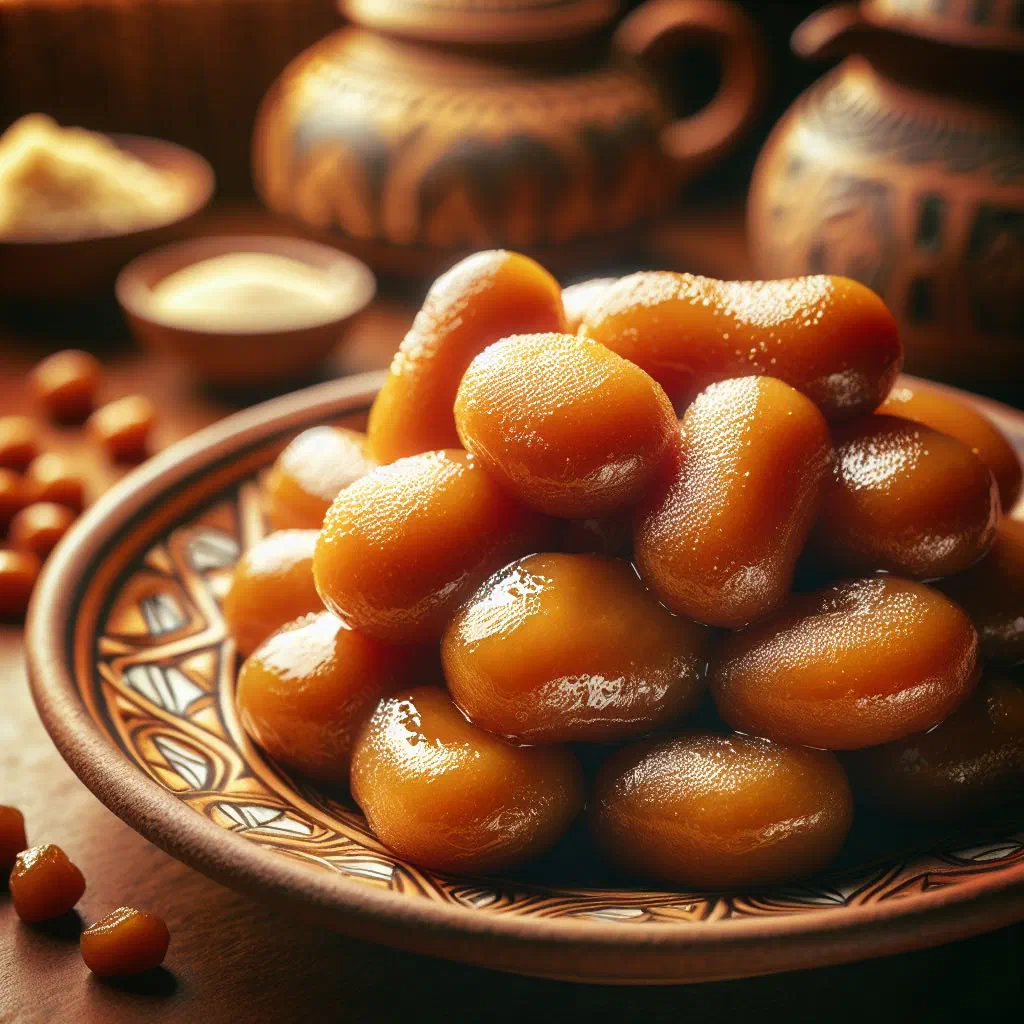
Discover Tulumbe, one of Serbia’s most beloved sweet treats. These little deep-fried batons are crisp on the outside and tender within, then bathed in a fragrant sugar syrup that gives them their very good sweetness. A fixture at weddings, family gatherings and festive celebrations, they are a symbol of hospitality and joy. Bring a taste of the Balkans straight to your own kitchen with this simple yet spectacular dessert.
About Tulumbe
Tulumbe are a traditional Serbian dessert enjoyed on special occasions and as an everyday indulgence. These small deep-fried pieces of dough are crunchy on the outside and soft in the middle, which makes them a genuine treat. Soaked in sugar syrup, they take on a wonderfully sweet character that keeps everyone coming back for more. At festivals, weddings and family celebrations they are almost impossible to imagine doing without, and they stand for hospitality and shared happiness.
Ingredients (serves 1–2)
- 250 g flour
- 2 eggs
- 1 cup water
- 1 teaspoon baking powder
- 1 pinch of salt
- 500 g sugar (for the syrup)
- 250 ml water (for the syrup)
- Oil for deep-frying
Shopping for the ingredients
Before you start making tulumbe, it is worth planning a proper shop. The ingredients are easy to find in most supermarkets, so nothing here is out of the ordinary. Make sure the flour is fresh to get the best results, and choose a good-quality oil for deep-frying to achieve an even better texture. These simple choices make all the difference to the finished pastry.
Preparing the dish
Preparing tulumbe is relatively straightforward, though it takes a few careful steps to reach the perfect result. Make sure all your ingredients are to hand so the process runs smoothly. Good preparation also means measuring everything out and getting the oil ready for frying. In the meantime you can make the sugar syrup, so it is ready to soak the finished tulumbe the moment they come out of the pan.
Step-by-step instructions
- In a bowl, whisk together the eggs, water, salt and baking powder until well combined.
- Add the flour gradually and work it into a smooth dough.
- Heat the oil in a deep pan to about 180 °C.
- Fill the dough into a piping bag and pipe small strips straight into the hot oil.
- Fry the tulumbe until golden brown, then drain them on kitchen paper.
- For the syrup, bring the sugar and water to the boil in a pan and let it simmer for a few minutes.
- Let the tulumbe soak in the hot syrup for a few minutes until they are thoroughly saturated.
Gluten-free / lactose-free version
For a gluten-free and lactose-free version of tulumbe, use a gluten-free flour such as rice flour or a dedicated gluten-free blend. When frying, choose a plant-based oil that contains no lactose. These small adjustments let you prepare the dessert for anyone with an intolerance or allergy, so even more people can enjoy this sweet pleasure without missing out.
Tips for vegans and vegetarians
For a vegan version of tulumbe, simply replace the eggs with a mixture of water and ground flaxseed, which provides the binding the dough needs. There are also purpose-made egg-replacement products you can use. Take care that the sugar syrup is vegan too by reaching for unrefined raw-sugar products, and you will have a treat that suits a plant-based diet perfectly.
More tips and tricks
To make your tulumbe especially crisp, make sure the oil is hot enough before you pipe in the strips of dough. A temperature that is too low can leave the tulumbe greasy. You can also experiment by adding aromatic spices such as cinnamon or vanilla to the sugar syrup. This lends the dessert an extra layer of flavour and depth that lifts the whole thing.
Adapting the recipe to your taste
Depending on your personal taste, you can vary tulumbe with all sorts of toppings. Some people like to add chopped nuts or desiccated coconut, while others feel a pinch of cinnamon rounds off the flavour perfectly. Experiment to discover which combinations you and your guests enjoy most. That way every batch turns out a little different, and all the more exciting for it.
Ingredient substitutions
If you are missing a few ingredients, substitutes are often a good solution. A mixture of water and apple purée, for example, can stand in for the eggs. For the sugar, you can also use honey or agave syrup to make the syrup. With these alternatives you can adapt the recipe to your needs and still achieve a delicious result, much like the flexible approach that works so well for Krofne. It all encourages a little creativity in the kitchen too.
Drink pairing ideas
Tulumbe pair beautifully with a range of drinks. A strong, aromatic drink such as Turkish coffee or a freshly brewed herbal tea can round off the sweetness of the dessert wonderfully. For something more refreshing, serve fresh fruit juice or an ice-cold sparkling water. These drinks create a delicious combination that suits the tulumbe down to the ground.
Serving and presentation ideas
The presentation of tulumbe matters a great deal, especially at festivals or on special occasions. Serve the tulumbe on a handsome plate with a small garnish of fresh fruit or mint leaves. A light dusting of icing sugar over the top can also create an appealing look. With an attractive presentation, your dessert becomes a real centrepiece on any table, just as a well-plated Krempita does.
A bit of history
Tulumbe have a long tradition in Serbian cuisine and are often linked to festive occasions. They have their roots in Ottoman cooking and, over the centuries, became a much-loved dessert across many Balkan countries. Making and sharing tulumbe is a symbol of community and joy. They are a firm part of the region’s cultural identity and are frequently served at weddings and celebrations, alongside other classics of Serbian cuisine such as syrup-soaked pastries and rich cakes.
More recipe ideas
Summary: Tulumbe
Tulumbe are a memorable dessert that tastes delicious and reflects Serbian tradition. With their sweet sugar syrup and soft, tender texture they enjoy enormous popularity. Thanks to the simple recipe, anyone can experience the charm of Serbian cooking in their own kitchen. Give it a go and bring a little piece of Serbian culture to your table.