National Dish Seychelles: Creole Prawn Curry (Recipe)
In this article
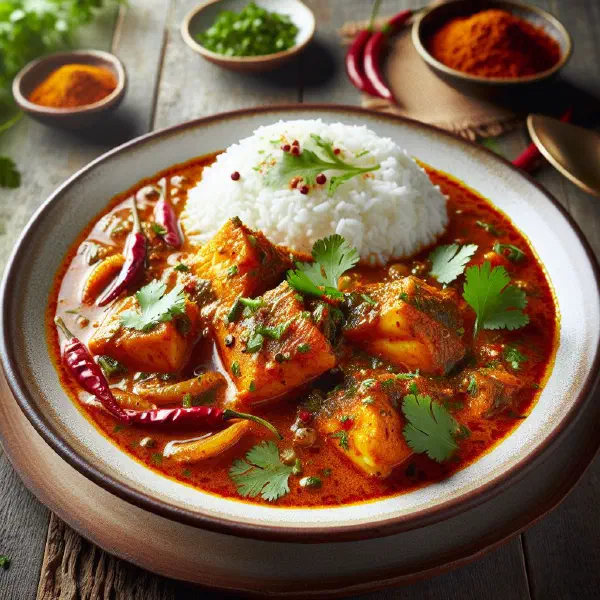
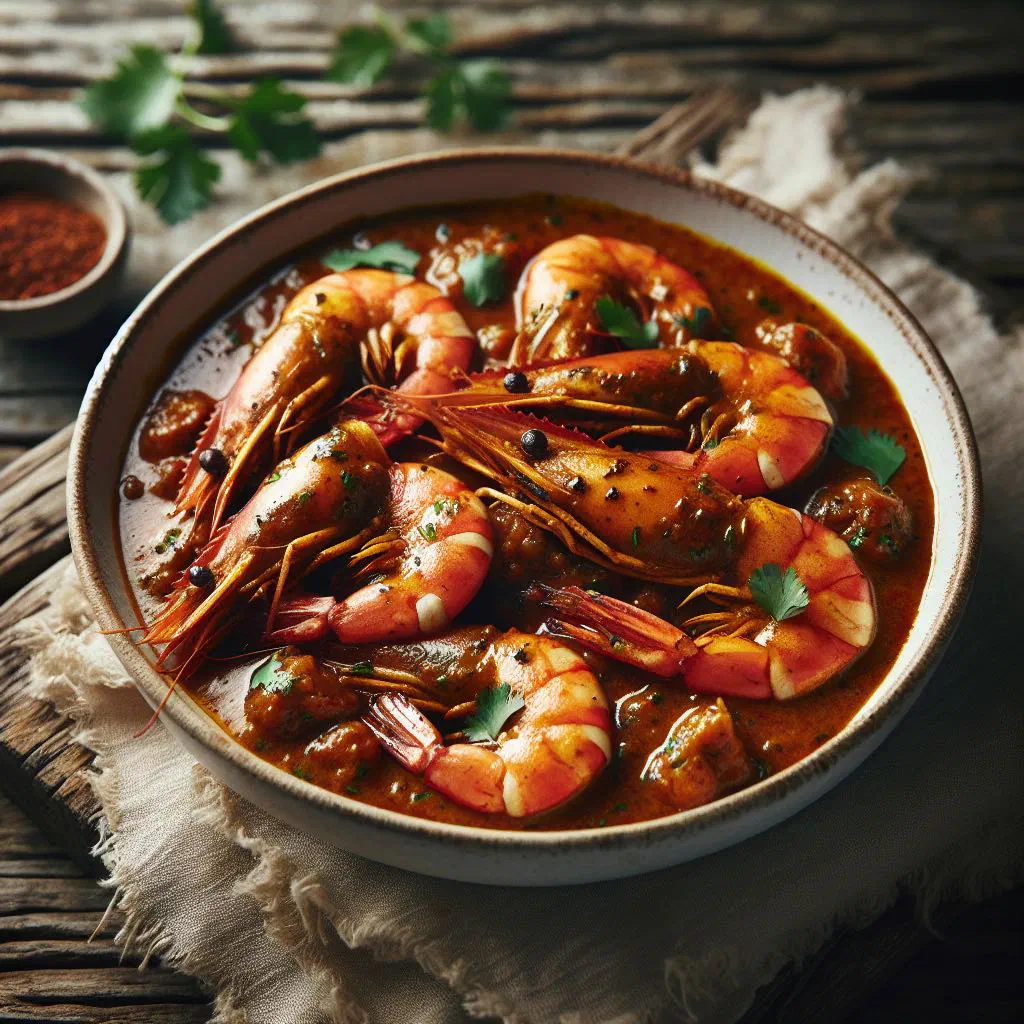
Bring a taste of the tropics home with Creole Prawn Curry, the fragrant seafood classic of the Seychelles. Plump prawns simmer in a silky coconut milk sauce warmed with ginger, garlic and chilli, finished with a squeeze of lemon and a shower of fresh coriander. It comes together in barely half an hour, yet tastes like an island holiday. Perfect for a relaxed evening with friends.
About Creole Prawn Curry
Creole Prawn Curry is a genuine feast for the senses and brings the variety of Creole cuisine straight into your own kitchen. With juicy prawns, alluring spices and the creamy note of coconut, this dish captures the flavours of the tropical Seychelles. It is delicious and straightforward to make, which makes it the perfect choice for cosy evenings. Let yourself be won over by the passion and the taste of this traditional speciality, which sits comfortably alongside island favourites such as Coconut Fish Curry.
Ingredients (serves 1–2)
- 250 g prawns, peeled and deveined
- 200 ml coconut milk
- 1 onion, finely chopped
- 2 cloves of garlic, chopped
- 1 piece of ginger, grated
- 1–2 red chillies, finely chopped (to taste)
- 1 teaspoon curry powder
- 1 teaspoon turmeric
- Lemon juice, to taste
- Fresh coriander, to garnish
- Olive oil, for frying
Shopping for the ingredients
When shopping for the ingredients for your Creole Prawn Curry, pay close attention to the freshness of the prawns. It is worth buying them from a fishmonger or a well-stocked supermarket. Coconut milk can be found in most food shops, but do choose a good-quality version without added emulsifiers. Fresh herbs and spices deliver flavour and a far more appealing look when you come to plate the dish.
Preparing the dish
Before you start cooking the Creole Prawn Curry, prepare all the ingredients carefully. Chop the onion, garlic and ginger finely so the aromas can develop properly. The chillies should also be cut into small pieces, and you can adjust the heat to your own preference. Remember to wash the coriander and chop it roughly, ready for garnishing later.
Step-by-step instructions
- Heat a little olive oil in a pan and fry the onions until translucent.
- Add the chopped garlic, ginger and chillies and fry briefly until fragrant.
- Sprinkle in the curry powder and turmeric and stir everything well.
- Pour the coconut milk into the pan and bring the mixture briefly to the boil.
- Add the prawns and let them cook in the simmering sauce for about 5–7 minutes, until pink and cooked through.
- Finish the curry with a squeeze of lemon juice and freshly chopped coriander.
Gluten-free / lactose-free version
Creole Prawn Curry is easy to make gluten-free and lactose-free. When buying coconut milk, check that it contains no thickening agents, which can sometimes contain gluten. As a rule, all the spices used and the prawns themselves are gluten-free too. The dish is naturally lactose-free, which makes it a great choice for anyone with a lactose intolerance.
Tips for vegans and vegetarians
For vegans and vegetarians, Creole Prawn Curry adapts easily. Instead of prawns you can use fresh vegetables or tofu, cut into cubes and cooked in much the same way. Just check that the spices and coconut milk you choose are also vegan and free from animal products. The result is a delicious, aromatic alternative that promises the same tropical flavour, much like a Coconut and Pumpkin Curry.
More tips and tricks
A few tips and tricks make preparing the curry even easier. Use fresh ingredients to get the best possible flavour. Take care not to cook the prawns for too long, or they will turn rubbery. When planning the dish, you can vary the sauce with vegetables such as peppers or courgette to add extra colour and texture.
Adapting the recipe to your taste
Creole Prawn Curry is highly adaptable and easy to tune to personal preference. If you like things milder, reduce the amount of chilli or leave it out altogether. Experiment with different spices such as cumin or paprika to give the dish your own signature. Adding vegetables such as spinach or aubergine can introduce interesting new flavours and textures.
Ingredient substitutions
If you cannot find certain ingredients, there are plenty of alternatives. In place of prawns you could use other seafood such as scallops or even chicken, the same flexibility that makes a Tamarind Fish Curry so easy to vary. Instead of coconut milk you can use a plant-based milk, though this will change the character of the sauce. Experiment with different vegetables and protein sources to create your perfect curry.
Drink pairing ideas
A number of drinks complement Creole Prawn Curry beautifully. A cold, refreshing wheat beer or a tropical cocktail with pineapple and coconut works wonderfully. A light, fruity white wine such as a Sauvignon Blanc also harmonises well with the flavours of the curry. As an alcohol-free option, fruit smoothies or iced tea make a refreshing choice.
Serving and presentation ideas
The presentation of the curry can be lifted with a few simple touches. Serve it in an attractive, colourful bowl and garnish with fresh coriander or slices of lime. A side of Coconut Rice adds a further note of the tropics along with a pleasing contrast on the plate. A few drops of chilli oil over the top are visually striking and add another layer of flavour.
A bit of history
Creole Prawn Curry is deeply rooted in the history of the Seychelles, where African, French and Indian influences flow together. That mixture has produced a rich culinary heritage, clearly visible in the islands’ many curries. The use of coconut and exotic spices is typical of Seychellois cuisine and reflects the tropical flora and fauna of the archipelago. The curry has since made a name for itself worldwide and is enjoyed in many other countries too.
More recipe ideas
Summary: Creole Prawn Curry
Creole Prawn Curry is an outstanding example of the flavours of the Seychelles and the islands’ culinary heritage. With its combination of fresh ingredients and exotic spices, the dish is both simple to prepare and a genuine treat to eat. Ideal for sociable evenings, it is a meal that satisfies while stirring up anticipation for your next trip to the Indian Ocean. Give it a try and enjoy a piece of tropical paradise in your own kitchen.