National Dish Singapore: Chilli Crab (Recipe)
In this article
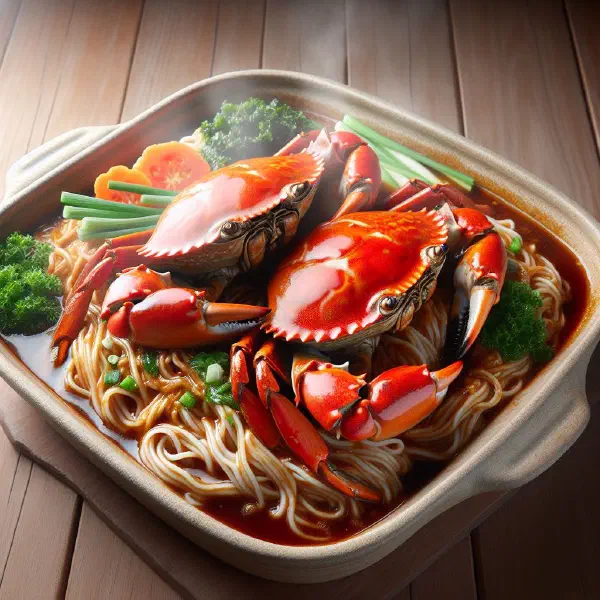
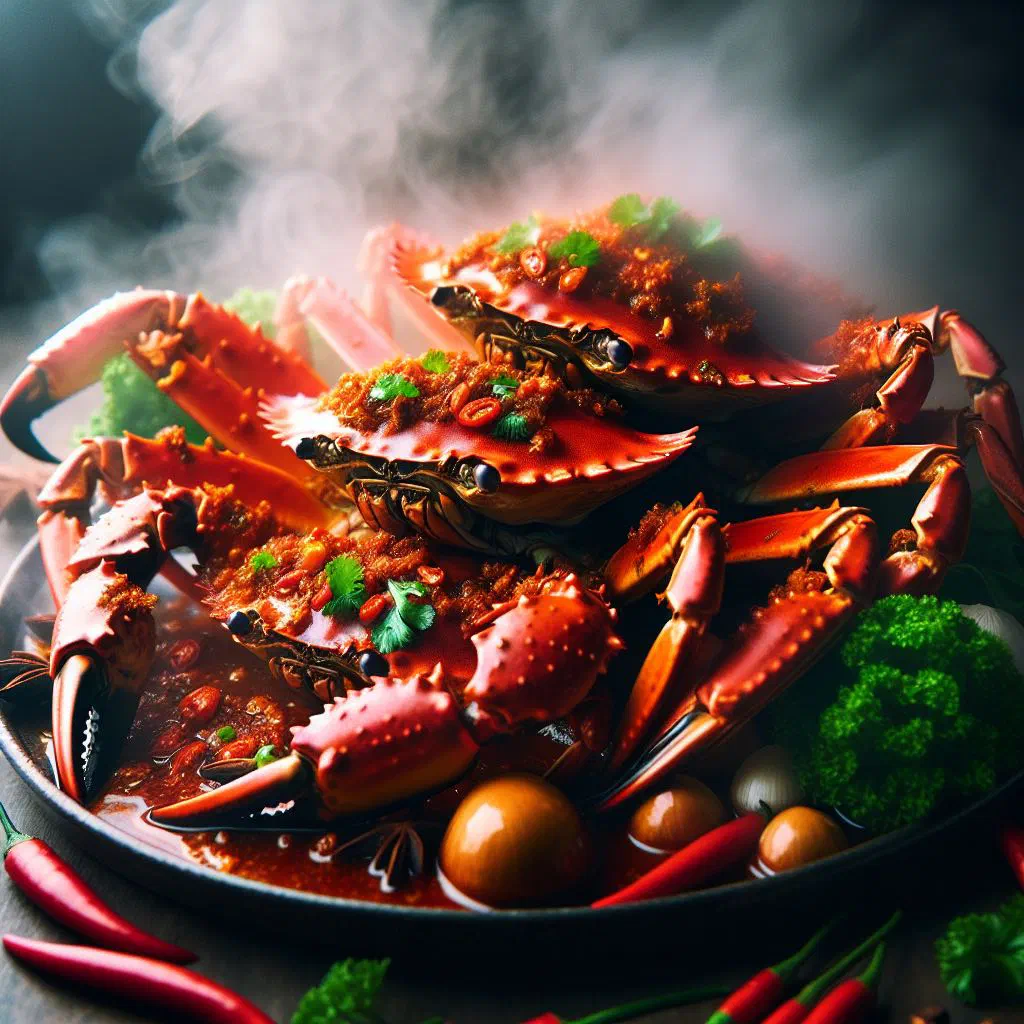
Discover Chilli Crab, the dish that captures Singapore in a single, saucy mouthful. Sweet, savoury and gently fiery all at once, it pairs fresh crab meat with a glossy tomato-and-chilli sauce that begs to be mopped up with soft bread. It is messy, generous and utterly moreish, the sort of feast that turns a meal into an event. Bring the buzz of a Singaporean hawker centre straight to your own kitchen with this exotic pleasure.
About Chilli Crab
Chilli Crab is an iconic dish from Singapore that strikes the perfect balance between sweetness, spice and umami. It brings together the fresh flavours of crab meat and a luscious sauce that appeals to every palate. Built on a base of tomato, garlic and red chilli, the sauce is thickened just enough to cling to each piece of shell, while a ribbon of beaten egg gives it a silky finish. It is a hearty, celebratory centrepiece and one of the most beloved examples of Singaporean cuisine.
Ingredients (serves 1–2)
- 1 large crab (about 1 kg), cleaned and cut into pieces
- 2 tablespoons vegetable oil
- 4 garlic cloves, chopped
- 1 small onion, chopped
- 2 red chillies, chopped
- 200 ml tomato ketchup
- 2 tablespoons soy sauce
- 2 tablespoons sugar
- 1 teaspoon fish sauce
- 1 cup chicken stock
- 1 tablespoon cornflour, mixed with 2 tablespoons water
- 2 eggs, lightly beaten
- Fresh coriander leaves, to garnish
Shopping for the ingredients
For an authentic Chilli Crab experience, it is well worth buying the freshest ingredients you can find. Fresh crab is best sourced from a good fishmonger or an Asian market, where you can pick a lively, heavy specimen. The remaining ingredients, ketchup, soy sauce, chillies and cornflour, are available in almost any supermarket, so the shop is quick and easy.
Preparing the dish
Clean the crab thoroughly and cut it into manageable pieces, cracking the claws so the sauce can work its way inside. Finely chop the onion, garlic and red chillies and set them aside. Have the beaten eggs and the cornflour slurry ready to hand, since the final steps come together quickly once the wok is hot.
Step-by-step instructions
- Heat the vegetable oil in a large wok or pan.
- Add the onion, garlic and chillies and fry for 2–3 minutes, until fragrant.
- Stir in the tomato ketchup, soy sauce, sugar, fish sauce and chicken stock and mix well.
- Add the crab pieces and toss to coat them evenly in the sauce.
- Reduce the heat and let the crab simmer for 10–15 minutes, until cooked through.
- Pour in the cornflour slurry and stir until the sauce has thickened.
- Slowly stir in the beaten eggs, stirring constantly to create fine egg ribbons.
- Garnish the finished Chilli Crab with fresh coriander leaves and serve.
Gluten-free / lactose-free version
Chilli Crab is naturally free of dairy, so it is already lactose-free. To make it gluten-free, swap the regular soy sauce for tamari or another certified gluten-free soy sauce, and check that your ketchup and fish sauce carry no hidden wheat. Serve it with steamed rice rather than wheat buns, and everyone can enjoy the dish without compromise.
Tips for vegans and vegetarians
For a vegan or vegetarian version, the crab can be replaced with jackfruit or firm tofu, both of which soak up the sauce beautifully. Swap the fish sauce for extra soy sauce or a vegan fish-sauce alternative, and leave out the egg or use a plant-based substitute. The result keeps all the sweet-spicy character while suiting a meat-free diet.
More tips and tricks
Chilli Crab is wonderful served with steamed mantou buns or rice to soak up every drop of the delicious sauce. Take care not to overcook the crab, as gentle simmering keeps the meat tender and juicy. Cracking the shells before cooking helps the flavour penetrate, and a squeeze of lime just before serving lifts the whole dish.
Adapting the recipe to your taste
Depending on your taste, the amount of chilli can be adjusted freely. Use fewer chillies for a milder version, or add more for a fierier kick. The sugar can likewise be reduced or increased to suit your palate.
Ingredient substitutions
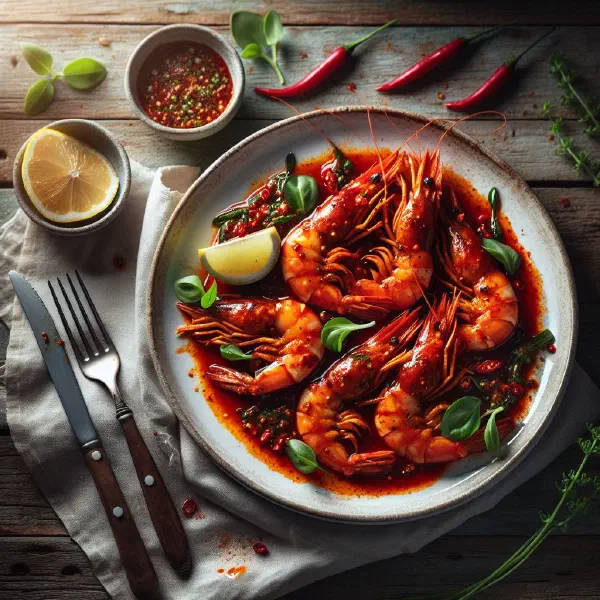
If tomato ketchup is not available, puréed tomatoes with a little vinegar make a good stand-in. Chicken stock can be replaced with vegetable stock, and potato starch works just as well as cornflour for thickening. If crab is out of reach, large prawns are an excellent alternative, the same approach that gives Chilli Prawns their punchy sauce.
Drink pairing ideas
Chilli Crab pairs beautifully with a cold beer or a crisp white wine such as Riesling or Sauvignon Blanc, both of which cut through the richness of the sauce. For non-alcoholic options, a refreshing iced tea or a fragrant lychee drink works wonderfully. A cooling calamansi juice is another good way to balance the heat.
Serving and presentation ideas
Serve Chilli Crab in a large, decorative bowl, garnished with fresh coriander leaves for a splash of colour. Set out small bowls of warm water or damp towels so guests can wipe their hands between mouthfuls. This is a hands-on dish, after all. Steamed buns or rice in separate bowls complete an inviting, communal spread.
A bit of history
Chilli Crab was created in the 1950s by Cher Yam Tian and her husband on the streets of Singapore. The dish quickly grew in popularity and became a symbolic part of Singaporean cooking, celebrated as one of the country’s unofficial national dishes. Today it is served in restaurants around the world, yet it remains proudly rooted in the hawker culture where it began.
More recipe ideas
Summary: Chilli Crab
Chilli Crab is a unique and delicious dish that captures the flavours of Singapore to perfection. With fresh ingredients and a little patience, you can bring this spicy feast to your own table. Experiment with the seasonings, adjust the heat to your liking and enjoy this glorious, sauce-drenched treat, whether you keep it traditional or add your own personal twist.