National Dish Singapore: Kway Chap (Recipe)
In this article
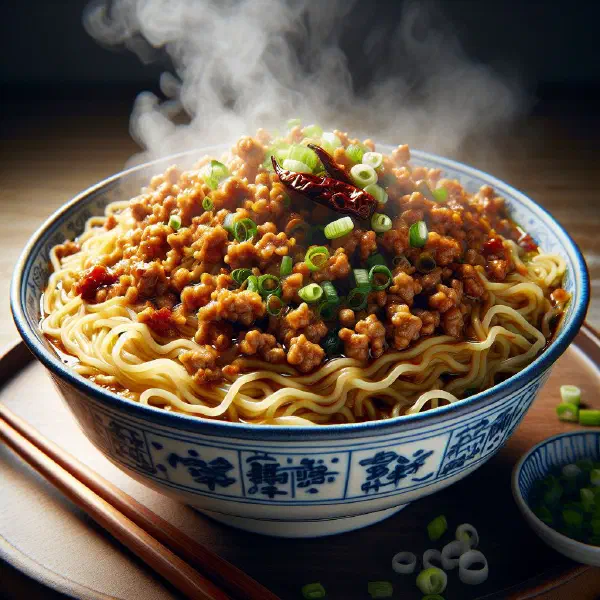
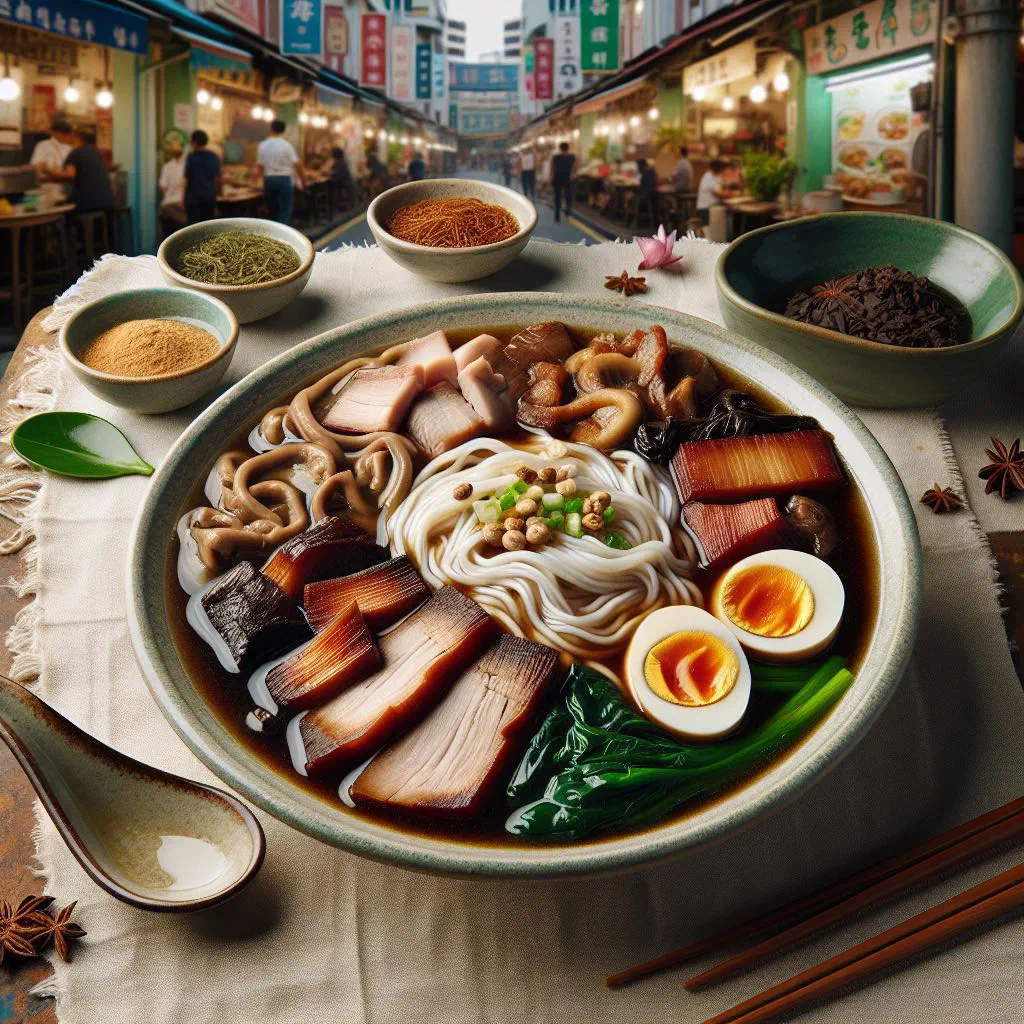
Meet Kway Chap, a soul-warming bowl that captures the layered flavours of Singapore’s hawker scene. Flat, silky rice noodles bathe in a dark, fragrant braise, joined by tender pork, soft-boiled eggs and an assortment of braised trimmings. It is the kind of dish that rewards a slow, patient simmer, and every spoonful tells the story of the city’s rich Teochew heritage. Bring the buzz of a Singapore hawker centre straight to your own kitchen.
About Kway Chap
Kway Chap is a traditional dish from Singapore, celebrated for its layered flavours and its deeply savoury braised broth. At its heart are flat rice noodles, served swimming in a dark, aromatically spiced stock. It is often paired with tender pork, eggs and a selection of braised offal, a combination that turns the meal into a real feast for anyone who loves the diverse cuisine of Southeast Asia. Comforting and richly satisfying, it is a firm favourite of Singaporean cuisine.
Ingredients (serves 1–2)
- 200 g flat rice noodles
- 300 g pork (belly or shoulder, for example)
- 2 eggs
- 100 g offal (liver or heart, for example)
- 1 litre chicken or beef stock
- 3 tablespoons soy sauce
- 1 teaspoon five-spice powder
- Fresh coriander leaves, to garnish
Shopping for the ingredients
To make an authentic kway chap, it is worth using good-quality ingredients. The flat rice noodles are available in Asian grocery shops, and the same shops are the place to find fresh pork and offal, both of which are key to the hearty broth. Take care to pick up soy sauce and five-spice powder too, as these are what give the dish its distinctive flavour.
Preparing the dish
Before you start cooking kway chap, it pays to get everything ready. The rice noodles need a brief soak in warm water so they soften through. While they sit, cut the meat and offal into bite-sized pieces. The eggs should also be boiled and ready to go, so they can serve as a garnish later on.
Step-by-step instructions
- Bring the stock to the boil in a large pot.
- Add the prepared meat and offal to the broth.
- Season the broth with soy sauce and the five-spice powder.
- Cook until the meat is tender, around 30–40 minutes.
- Add the soaked rice noodles to the broth and let them cook briefly.
- Serve the dish hot, garnished with fresh coriander leaves.
Gluten-free / lactose-free version
If you want to eat gluten-free, you can swap the noodles for a fine rice-flour variety suited to a gluten intolerance. Do check that your soy sauce is gluten-free, as many standard versions contain gluten. For a lactose-free preparation the ingredients listed are already ideal, since kway chap does not normally include any dairy. Enjoy this dish with a clear conscience.
Tips for vegans and vegetarians
Kway chap adapts easily to vegetarian or vegan preferences. Use tofu or seitan instead to replace the meaty flavour. A vegetable-based broth works beautifully too, as long as you season it with the same spices as the original recipe. Round the dish off with plenty of vegetables for extra flavour and texture.
More tips and tricks
When cooking kway chap, it helps to let the broth rest for a few hours, or even overnight. This intensifies the aromas and makes the dish even tastier. Presentation matters as well, so take care to spread the noodles evenly and ladle the broth over them uniformly. A squeeze of fresh lemon can also deepen the flavour experience.
Adapting the recipe to your taste
The best thing about kway chap is the flexibility it offers. Depending on your personal taste, you can vary the type of offal or the mix of spices. The amount of soy sauce can be adjusted too, whether you prefer it saltier or milder. A creative cook like you, happy to experiment with aromas, will find plenty to enjoy here, much like the playful spirit behind a bowl of Char Kway Teow.
Ingredient substitutions
If you would rather not use pork, or cannot, chicken is an excellent alternative that sits well in the broth. For a slightly more exotic touch you could also use duck breast or beef. With the offal, you can choose between lamb or beef liver, depending on what you prefer or what happens to be available.
Drink pairing ideas
Green tea pairs wonderfully with kway chap, as its fresh taste complements the dish’s intense aromas beautifully. An ice-cold Asian lager is also a hugely popular choice in Singapore. For those who would rather stay alcohol-free, jasmine tea makes an exquisite accompaniment to this rich dish.
Serving and presentation ideas
An attractive presentation can lift the whole eating experience. Serve kway chap in traditional bowls with fresh coriander and pickled vegetables as a garnish. Another popular trick is to finish the dish with a few drops of sesame oil, adding an extra sheen and plenty of flavour. Use colourful plates to show the dish off and whet the appetite.
A bit of history
Kway chap has its origins in the Chinese culinary tradition and was popularised in Singapore by Chinese immigrants. The dish brings together the cooking methods and ingredients so beloved in Teochew and Hakka cuisine. Today it is a much-loved piece of street food in Singapore and a fixture in many restaurants. The popularity of kway chap highlights the cultural blend and culinary variety that make Singapore such a melting pot of different cuisines, sitting proudly alongside classics like Bak Kut Teh.
More recipe ideas
Summary: Kway Chap
In short, kway chap is a delicious and versatile dish that reflects the flavours and traditions of Singapore. The harmonious combination of flat rice noodles, a hearty broth and various cuts of meat and offal makes for a memorable taste experience. Whether in its traditional form or adapted for particular dietary needs, kway chap remains a genuine culinary highlight for every food lover. Give it a try and let this exciting dish work its magic on you.