National Dish Singapore: Nasi Padang (Recipe)

In this article
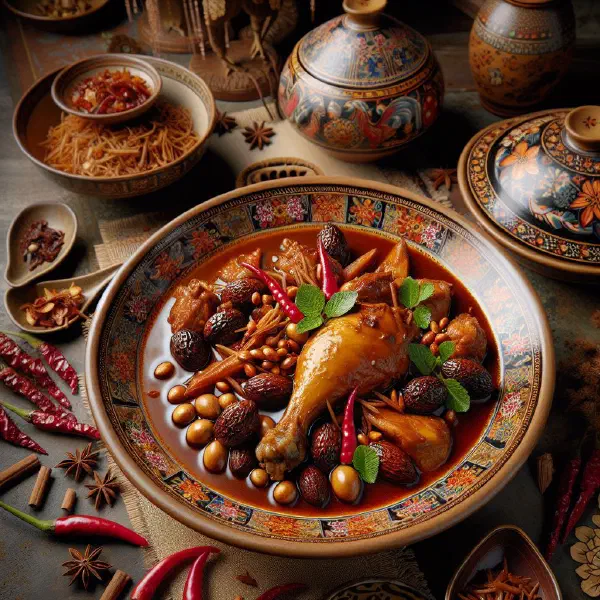
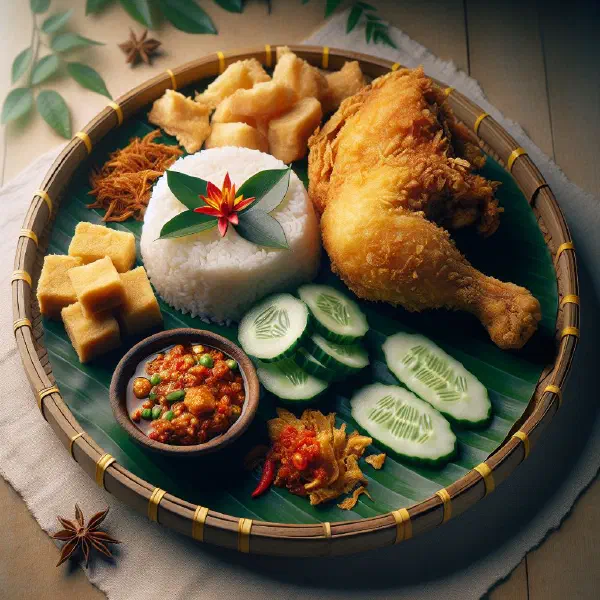
Meet Nasi Padang, a gloriously generous rice dish that has become a firm favourite across Singapore’s hawker centres. A mound of fragrant rice is surrounded by a spread of richly spiced curries, tender meat, colourful vegetables and fresh accompaniments, so every mouthful brings something new. It is a true celebration of the flavours that flow between Indonesia and Singapore, and it turns any meal into a feast for the senses.
About Nasi Padang
Nasi Padang is a traditional dish that originally hails from Indonesia and has become especially beloved in Singapore. At its heart is a delicious rice dish served with a whole array of side dishes. It is often rounded out with a selection of spicy curries, both meaty and vegetarian options, and crisp fresh salads. The interplay of aromas makes nasi padang a genuine feast for the senses and an absolute must for anyone who loves Indonesian and Malaysian cooking.
Ingredients (serves 1–2)
- 200 g jasmine rice
- 150 g beef or chicken
- 200 ml coconut milk
- 2 tablespoons red curry paste
- 1 onion
- 1 clove garlic
- Fresh vegetables of your choice (e.g. cucumber, carrots)
- Salt and pepper to taste
- Fresh herbs (e.g. coriander or basil), to garnish
Shopping for the ingredients
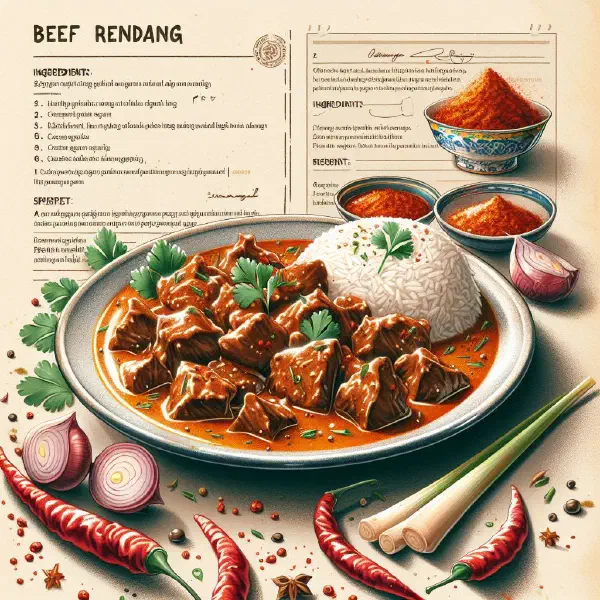
It is well worth sourcing good-quality ingredients for nasi padang. Visit your local supermarket or an Asian grocery to find the special items such as red curry paste and coconut milk. Remember to pick up fresh herbs, as they lift the flavour of the dish considerably. Pay attention to the quality of the meat, too, since it has a big influence on the overall result. Much like a good Beef Rendang, the finished dish is only as good as what goes into it.
Preparing the dish
Good preparation is a key step in getting nasi padang right. Begin by rinsing the jasmine rice under cold running water until the water runs clear. This removes excess starch and keeps the rice light and fluffy once cooked. Next, cut the meat into small cubes and finely chop the onion and garlic to draw out their aromas.
Step-by-step instructions
- Cook the jasmine rice according to the packet instructions.
- Heat a little oil in a pan and sauté the onion and garlic.
- Add the meat and fry until cooked through.
- Stir in the red curry paste and pour in the coconut milk, then bring everything to a gentle simmer.
- Season with salt and pepper and let it bubble gently for a few minutes.
- Arrange the rice on plates and spoon the curry mixture over the top.
- Garnish with fresh vegetable sides and herbs.
Gluten-free / lactose-free version
Nasi padang is naturally a flexible dish that adapts easily to special dietary needs. To make it gluten-free, use a gluten-free soy sauce or leave it out altogether. For a lactose-free version, make sure the coconut milk contains no added extras. Many Asian products are already lactose-free, so it is worth checking the ingredient list. That way, people with allergies can enjoy nasi padang too.
Tips for vegans and vegetarians
For those following a vegan or vegetarian diet, there are plenty of ways to adapt nasi padang. Swap the meat for firm tofu or tempeh, both of which soak up the flavours of the curry paste beautifully. You can also add more vegetables to make the dish nourishing and colourful, courgette, aubergine and broccoli all work wonderfully. This keeps the pleasure and the flavour intact while making the dish suitable for a range of diets.
More tips and tricks
A few simple tips can make preparing nasi padang far easier. Get all your ingredients ready in advance to save time while cooking. Make sure your rice is properly rinsed to achieve the texture you want, rinse it several times until the water runs clear so the dish turns out just right. Experiment with spices and herbs to add your own personal touch.
Adapting the recipe to your taste
Nasi padang is a great example of a dish that is easy to tailor to personal preference. You can use different kinds of meat or simply add more vegetables, depending on your taste. If you like it hotter, add fresh chillies or an extra spoonful of red curry paste. If you prefer it milder, use fewer spices or stir in a little cream to soften the heat.
Ingredient substitutions
The variety of ingredients makes it easy to find alternatives for nasi padang. If you don’t eat beef, you can swap it for chicken, fish or even a plant-based protein. Instead of jasmine rice, you might use another variety such as basmati, or even quinoa for a healthier option. Much like Mee Goreng, the dish welcomes whatever you have to hand, so challenges such as particular allergies or preferences are easy to manage.
Drink pairing ideas
To round off your nasi padang experience, there are plenty of drinks that pair well with the meal. A fresh homemade lime juice or sweetened tea are popular choices that complement the dish nicely. A glass of beer can also balance the spicy notes of the curry beautifully. For an alcohol-free option, fruit smoothies or ginger drinks make a refreshing accompaniment.
Serving and presentation ideas
The way you present nasi padang can lift the whole dining experience. Use colourful plates to highlight the different ingredients and shades of the dish. Garnish the rice and curry with fresh herbs for an appetising look. A thoughtful arrangement of the side dishes and a pleasing colour combination make a real impression at the table.
A bit of history
Nasi padang has a rich cultural history closely tied to Indonesian cuisine. It originally comes from the city of Padang in West Sumatra, where it has been prepared for centuries. Its many flavours and cooking methods reflect the diversity of Indonesian culture. In Singapore, nasi padang has grown into a much-loved street food, pleasing many people and enjoyed daily as part of the wider Singaporean food scene.
More recipe ideas
Summary: Nasi Padang
Nasi Padang is more than just a dish; it is a bright experience of Indonesian and Malaysian cuisine. With the freedom to adapt the recipe to your own tastes and needs, nasi padang is an ideal choice for a sociable, shared meal. Its wonderful fusion of flavours makes it a perfect treat for lovers of exotic aromas. Give our recipe a try and let its enticing scents and flavours win you over.