National Dish Singapore: Peranakan Babi Pongteh (Recipe)
In this article
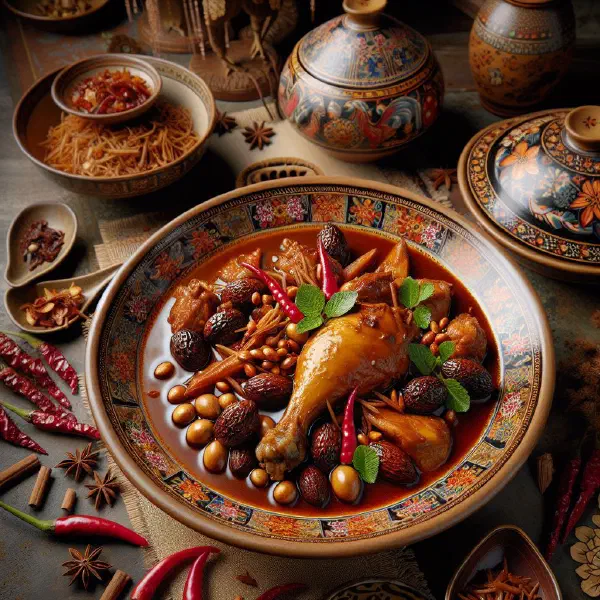
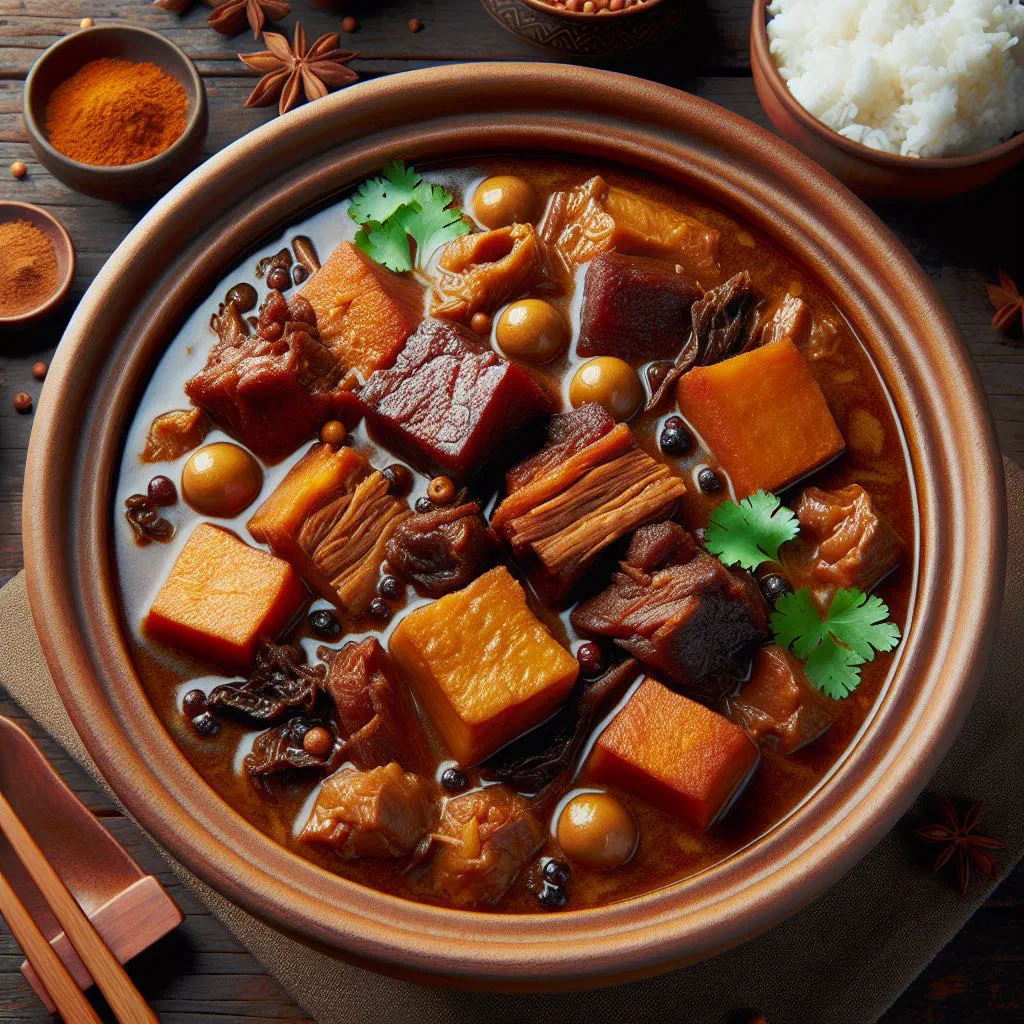
Meet Babi Pongteh, a comforting braise that sits right at the heart of Singapore’s Peranakan kitchen. Tender pork is simmered slowly in a savoury-sweet sauce built on fermented soybean paste, garlic and shallots until it turns meltingly soft. It is homely, generous cooking, the kind of one-pot dish that fills a Nyonya table on special occasions yet feels just as welcome on an ordinary weeknight. Bring a taste of Singapore’s rich culinary heritage to your own kitchen.
About Babi Pongteh
Babi Pongteh is a traditional dish from Singapore that captures the cultural fusion at the core of Peranakan cuisine. It pairs aromatic pork with a distinctive sauce built around fermented soybeans, delivering deep, satisfying flavour in every mouthful. More than just a hearty meal, it is a symbol of the region’s rich gastronomic heritage. Expect a wonderful contrast of savoury depth and tender meat that makes this braise so memorable.
Ingredients (serves 1–2)
- 300 g pork (such as shoulder or chop)
- 2 tablespoons fermented soybean paste
- 2 onions, roughly chopped
- 4 garlic cloves, crushed
- 1–2 red chillies, to taste
- 1 teaspoon sugar
- 2 tablespoons vegetable oil
- 500 ml water
- Salt and pepper, to taste
Shopping for the ingredients
When shopping for the ingredients for Babi Pongteh, it helps to visit a specialist Asian grocery or market. The fermented soybean paste is the key ingredient and can often be found in larger supermarkets or ordered online. Choose fresh pork, as its quality has a decisive effect on the flavour of the dish. Selecting your ingredients carefully ensures the final result is appealing both in taste and in appearance.
Preparing the dish
Preparing the dish is an important step in making sure the flavours harmonise well together. Begin by cutting the pork into bite-sized pieces. Marinate the meat for about 30 minutes with a little salt, pepper and the fermented soybean paste to intensify the aromas. Prepare the vegetables too, washing and chopping them so everything is ready once you start cooking.
Step-by-step instructions
- Heat the vegetable oil in a large pot or wok over medium heat.
- Add the onions and garlic and fry until fragrant.
- Add the marinated pork and brown it lightly on all sides.
- Stir in the fermented soybean paste, sugar and chillies, mixing everything thoroughly.
- Pour in the water and bring the mixture to the boil.
- Reduce the heat, cover the pot and let the dish simmer for about 1 to 1.5 hours, until the meat is tender.
- Taste the sauce and adjust the salt and pepper to your liking.
- Serve hot with rice or other side dishes.
Gluten-free / lactose-free version
Making Babi Pongteh gluten-free or lactose-free is fairly straightforward if you choose the right ingredients. Use a gluten-free soy sauce in place of the fermented soybean paste to keep the dish suitable for a gluten intolerance. The other ingredients in this recipe are naturally gluten- and lactose-free, so everyone can enjoy the braise without worrying about intolerances.
Tips for vegans and vegetarians
For vegans and vegetarians, Babi Pongteh is easy to adapt into a plant-based version. Instead of pork, use tofu or tempeh, which soak up the savoury sauce beautifully. A mix of different vegetables such as aubergine, courgette and mushrooms can also enrich the texture and taste of the dish. Experiment with the seasonings to find the perfect blend for your needs.
More tips and tricks
To get the most out of the dish, consider a few extra tips and tricks. Try marinating the meat overnight to make the flavours even more intense. Use fresh herbs such as coriander for an added layer of flavour. Taste the sauce occasionally as it cooks so you can adjust the seasoning. Small tweaks like these can lift your dish to the next level, much like the careful layering that defines a good Nonya Chap Chye.
Adapting the recipe to your taste
Babi Pongteh can be prepared in many variations to suit individual preferences. Add different vegetables such as peppers or carrots, for example, to make the dish more colourful. If you like it hotter, increase the number of chillies or even experiment with different chilli varieties. Adjustments like these keep the dish interesting and tuned to your own personal taste.
Ingredient substitutions
If you have trouble finding some of the ingredients for Babi Pongteh, there are several alternatives available. The pork can be swapped for chicken or beef if those suit you better, as with a hearty Chicken Curry. When fermented soybean paste is unavailable, a mixture of soy sauce and miso can deliver similar umami notes. These substitutions help make the dish more accessible without compromising on flavour.
Drink pairing ideas
The right drink can elevate the experience of Babi Pongteh. A cool Asian beer makes a refreshing pairing that complements the savoury spices of the dish. Alternatively, homemade lemonades with a hint of ginger or lime are a great choice. For a warming, milky option, a frothy Teh Tarik rounds off the meal nicely while adding a refreshing contrast.
Serving and presentation ideas
An attractive presentation can greatly increase the enjoyment of the dish. Serve Babi Pongteh in a deep bowl, garnished with fresh coriander or spring onions. A side of steaming jasmine rice or Coconut Rice can bring the dish to a new culinary high. Remember to combine the colours and textures in a way that stimulates the appetite and catches the eye.
A bit of history
Babi Pongteh has a fascinating history tied to Peranakan culture. This community is made up of descendants of Chinese immigrants who settled in Malaysia and Singapore and blended with the local Malay population. That cultural fusion is reflected in the cooking, where influences from various culinary traditions come together. Babi Pongteh is a prime example of this blend and has grown over the years into a beloved dish, a cornerstone of Singaporean cuisine.
More recipe ideas
Summary: Babi Pongteh
In closing, Babi Pongteh offers an one-of-a-kind culinary experience that captures the essence of Peranakan cuisine. The dish delivers a harmonious combination of flavours and textures that can enrich family gatherings and special occasions alike. Use the tips and variations suggested here to prepare your own Babi Pongteh and celebrate the cultural diversity of Singapore at your table. Enjoy your meal.