National Dish Singapore: Popiah (Recipe)
In this article
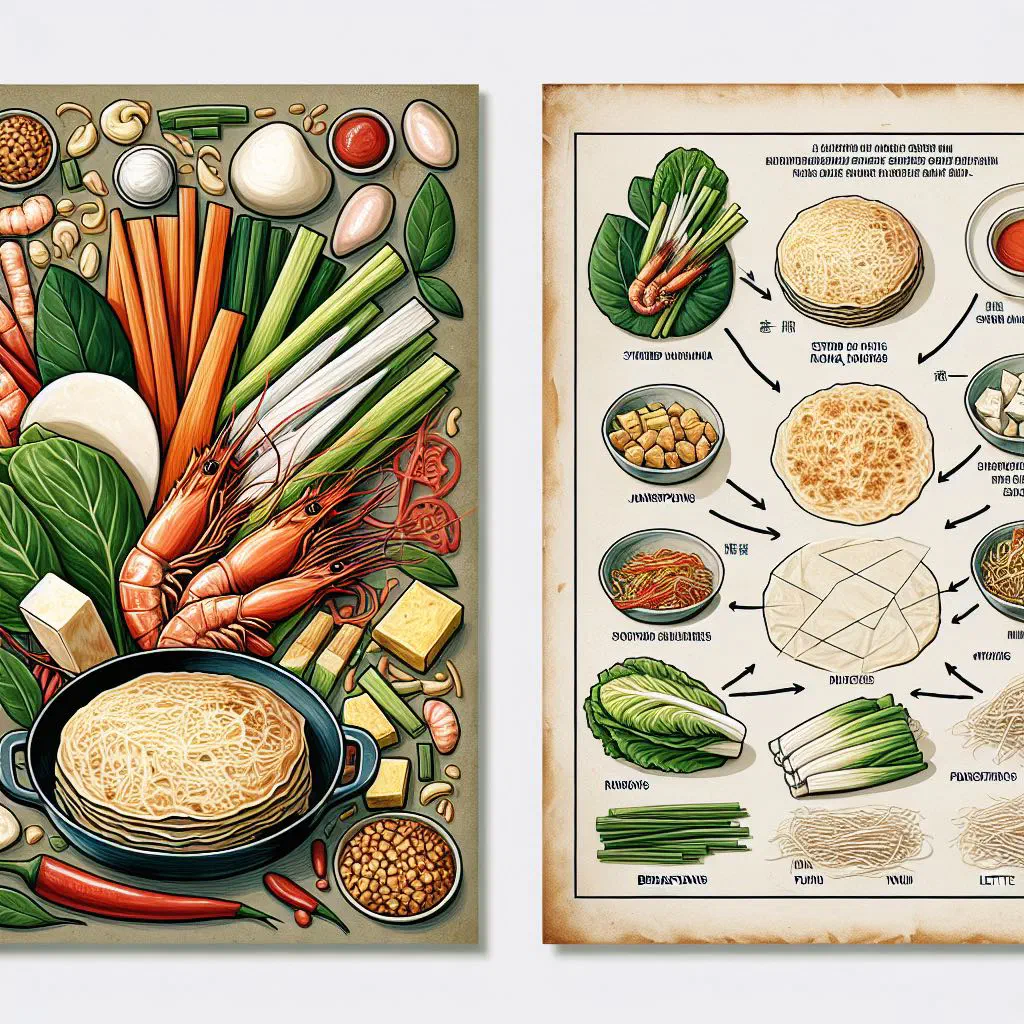
Meet Popiah, Singapore’s beloved fresh spring roll and a firm favourite at hawker stalls across the island. Delicate wrappers are packed with crisp vegetables, tofu and fragrant herbs, then rolled up and dressed with sweet chilli and soy. Light, wholesome and endlessly adaptable, popiah works equally well as a quick snack or a colourful main. Let the bright presentation and fresh, healthy filling tempt you into the kitchen.
About Popiah
Popiah is a traditional dish from Singapore built around fresh, un-fried spring rolls. These fine rolls are filled with an array of vegetables, tofu and spices that come together for a wonderfully balanced flavour. They are especially popular as a snack or a light main course, thanks to their versatility and clean, fresh taste. Give in to the colourful presentation and the healthy ingredients that make this dish so appealing.
Ingredients (serves 1–2)
- 4–6 sheets of rice paper
- 1 cup grated vegetables (carrots, cucumber, cabbage)
- 1/2 cup tofu, diced
- 2 tablespoons peanuts, roughly chopped
- 1 tablespoon sweet chilli sauce
- 1 tablespoon soy sauce
- Fresh herbs (mint, coriander), to taste
Shopping for the ingredients
When shopping for popiah, your best bet is a local Asian grocery, where you will usually find the fresh, high-quality components the dish needs. Pay particular attention to the rice paper sheets, which often come in several different sizes. A trip to the Asian supermarket is also good fun and a great way to broaden your culinary horizons.
Preparing the dish
Preparing popiah can be an enjoyable activity for the whole family. Wash and slice the vegetables carefully so you have the perfect fillings ready for your rolls. The tofu can be seasoned or pan-fried to taste to add an extra layer of flavour. Take care to lay everything out attractively, as the mix of colours and textures makes the finished dish even more inviting.
Step-by-step instructions
- Soak the rice paper sheets in warm water until they turn soft and pliable.
- Lay a softened sheet gently onto a clean work surface.
- Place a selection of grated vegetables, tofu and herbs down the middle.
- Add a teaspoon each of sweet chilli sauce and soy sauce on top.
- Fold the sides of the sheet over the filling and roll it up carefully.
- Serve the popiah with extra dipping sauces of your choice.
Gluten-free / lactose-free version
Making popiah gluten-free or lactose-free is simple and easily adapted. Use gluten-free rice paper to make sure the dish suits everyone. In place of ordinary soy sauce, reach for a gluten-free alternative such as tamari. For a lactose-free filling, fresh vegetables and tofu are the ideal choice and still deliver outstanding flavour.
Tips for vegans and vegetarians
Preparing popiah as a vegan or vegetarian dish could not be easier. Use plant-based tofu or seitan as a protein-rich filling. You can also work in extra vegetables such as courgette, peppers or radishes to boost both the nutrition and the taste. Seasoning with fresh herbs is another great way to add depth and lift the whole dish.
More tips and tricks
To make popiah easier to put together, it pays to prepare all your ingredients in advance. If you want to keep the rolls for a while, store the rice paper between damp cloths so it does not dry out. Feel free to experiment with the fillings to discover different flavour combinations, anything from Asian to Mediterranean ingredients can work beautifully. If you enjoy fresh rolls like these, you might also like Roti John for another handheld treat.
Adapting the recipe to your taste
There is plenty of room to personalise popiah to your own preferences. Sweeter or more savoury, the options are endless. Try a different nut oil, or add a squeeze of lime to give your rolls that special something. The flexibility of the dish is exactly what makes it such a popular choice for so many occasions, much like the ever-adaptable Rojak.
Ingredient substitutions
If you do not have every ingredient for popiah to hand, there are always alternatives. Instead of tofu you could use chickpeas or quinoa to keep the filling high in protein. For the sauce, combine peanut butter with a little water and soy sauce for a delicious variation that also changes the texture. Peanut lovers will find a similar richness in Satay.
Drink pairing ideas
To round off your popiah, the right drinks are key to the whole experience. Try a refreshing green tea or a fruity smoothie to complement the flavours. Fresh lemonade or Asian teas also make excellent partners, and a frothy Teh Tarik is a classic local choice. Whatever you pick, aim for something that supports the freshness of the spring rolls.
Serving and presentation ideas
The way you present popiah can whet the appetite and make the dish even more appealing. Serve the rolls on a colourful platter and garnish with fresh herbs or edible flowers. Set out a few different sauces in small bowls alongside. Playing with colours and textures that please the eye as much as the palate turns any meal into a special occasion.
A bit of history
Popiah has its origins in Chinese cooking and is closely tied to Teochew culture. It was brought to Singapore by Chinese immigrants and, over the years, grew into a much-loved piece of street food. Its versatility allowed it to blend into local tastes and inspire countless variations. Today it is a firmly established part of Singapore’s culinary identity and a shining example of the island’s Singaporean cuisine.
More recipe ideas
Summary: Popiah
Popiah is more than just a culinary highlight of Singapore; it is a dish that brings together tradition and creativity. With its wealth of healthy ingredients and its wonderfully simple preparation, it offers a great way to find inspiration and discover the variety of Singaporean cuisine. Take the time to make these delicious fresh spring rolls and turn your kitchen into a little corner of Singapore.