National Dish Singapore: Sambal Sotong (Recipe)
In this article
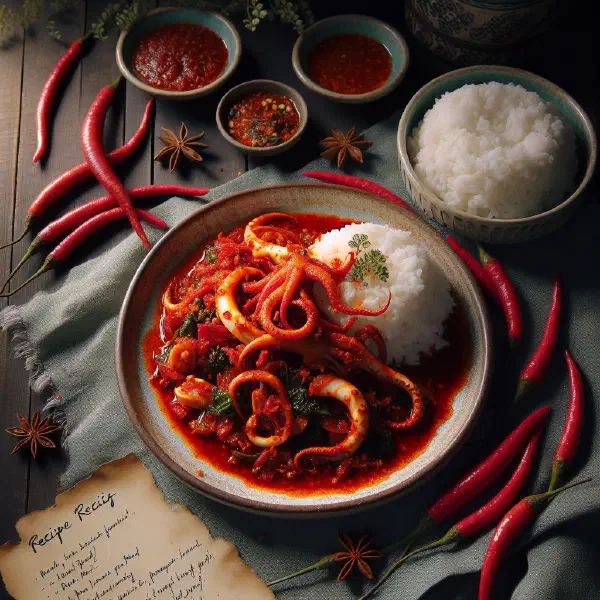
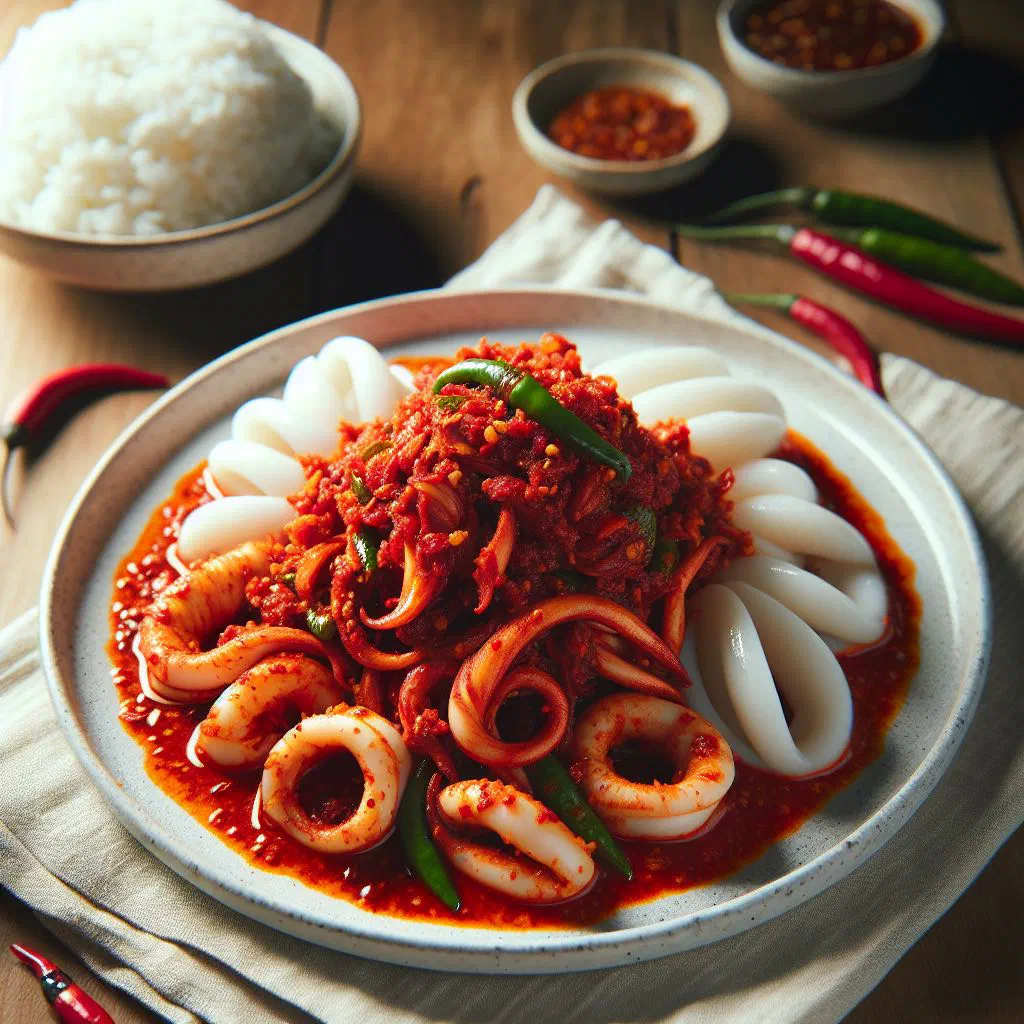
Meet Sambal Sotong, a fiery seafood favourite that captures the bold, spice-forward spirit of Singapore. Tender rings of squid are folded through a glossy, deeply savoury chilli sauce built on garlic, onions and punchy sambal. It is quick to cook, big on flavour and impossible to resist once the aromas start rising from the pan. Serve it steaming hot over rice and let the heat and freshness transport you straight to a Singaporean hawker stall.
About Sambal Sotong
Sambal Sotong is a much-loved dish for anyone who enjoys the bright flavours of Asian cuisine. This spicy, fragrant plate is built around fresh squid, celebrated for its unmistakable character and satisfying bite. The star ingredient is bathed in an aromatic sambal sauce made from chillies, garlic and onions, a combination that delivers a taste experience carrying you directly to Singapore. It is the kind of dish that feels both homely and exciting, equally at home on a family table or a festive spread.
Ingredients (serves 1–2)
- 300g fresh squid, cleaned
- 4 tablespoons sambal oelek
- 2 tablespoons vegetable oil
- 2 cloves garlic, finely chopped
- 1 onion, sliced into rings
- 1 tablespoon soy sauce
- 1 teaspoon sugar
- Fresh coriander, to garnish
- Rice, to serve
Shopping for the ingredients
When shopping for sambal sotong, it is well worth choosing good-quality fresh squid, as its freshness contributes enormously to the overall flavour of the dish. Take your time selecting it, and give it a careful look and smell before buying. Many Asian grocers stock ready-made sambal sauces that are perfect for this recipe. If you are shopping in a regular supermarket, head to the international foods aisle to find the Asian spices and pastes you need.
Preparing the dish
Preparing the dish begins with cleaning the squid and slicing it into even rings or pieces. This ensures it cooks evenly and looks appealing on the plate. Next, slice the onion into rings and finely chop the garlic so they release their flavour quickly during cooking. Having every ingredient measured out and ready before you start makes the whole cooking process far smoother and more relaxed.
Step-by-step instructions
- Heat the vegetable oil in a pan over medium heat.
- Add the chopped garlic and onion rings and fry until golden.
- Add the squid to the pan and stir-fry briefly, just until it is cooked through.
- Stir in the sambal oelek, soy sauce and sugar, mixing everything together well.
- Cook for a further 2–3 minutes, until the sauce has thickened slightly.
- Serve the sambal sotong hot, garnished with fresh coriander, alongside rice.
Gluten-free / lactose-free version
Sambal sotong is naturally gluten-free and lactose-free, as long as you use a gluten-free soy sauce. The core ingredients, squid and vegetables, are free from gluten and lactose in any case. Do check the label on your sambal oelek, or make your own version, to be sure it contains no gluten-containing additives. With those small swaps, everyone can enjoy the dish without worry.
Tips for vegans and vegetarians
For vegans and vegetarians, sambal sotong can be adapted beautifully. A great alternative to squid is aubergine or courgette, both of which taste delicious simmered in the sambal sauce. The texture of aubergine mimics that of seafood, and it soaks up the spicy sauce wonderfully. This variation preserves the intense flavour of the sambal while offering a fully plant-based option. Fans of meat-free cooking might also enjoy the vegetable-rich Sambal Kangkung.
More tips and tricks
A few extra tips and tricks can help you perfect your sambal sotong. Try adding a little lime juice or zest to lend the dish a bright, fresh note. You can also experiment with different chilli varieties to tune the heat to your own liking. And if you fancy some extra texture, scatter over a handful of roasted peanuts for a welcome crunch and a deeper, nuttier flavour.
Adapting the recipe to your taste
Adapting the recipe to your own preferences is simple and keeps the cooking interesting. If you like things hotter, add more sambal or a few fresh chillies. You can also work in different vegetables to build extra layers of flavour. The trick is to choose ingredients that suit your individual taste while preserving the dish’s distinctive character, much like the flexible approach behind a good Sambal Fried Rice.
Ingredient substitutions
If some ingredients are hard to find, there are plenty of alternatives to fall back on. Squid, for example, can be replaced with chicken or prawns for a similar eating experience. For the sambal sauce, a ready-made chilli sauce works well when sambal oelek is unavailable. Remember that choosing high-quality ingredients makes a real difference to the finished flavour of your dish.
Drink pairing ideas
Several drinks pair wonderfully with sambal sotong and complement its heat. A cold beer, particularly an Asian lager, stands up nicely to the dish’s spice. Alternatively, a refreshing green tea or a crisp white wine underlines the food’s flavours beautifully. The right choice of drink can lift the whole meal, so it is worth thinking about what you would like to serve alongside.
Serving and presentation ideas
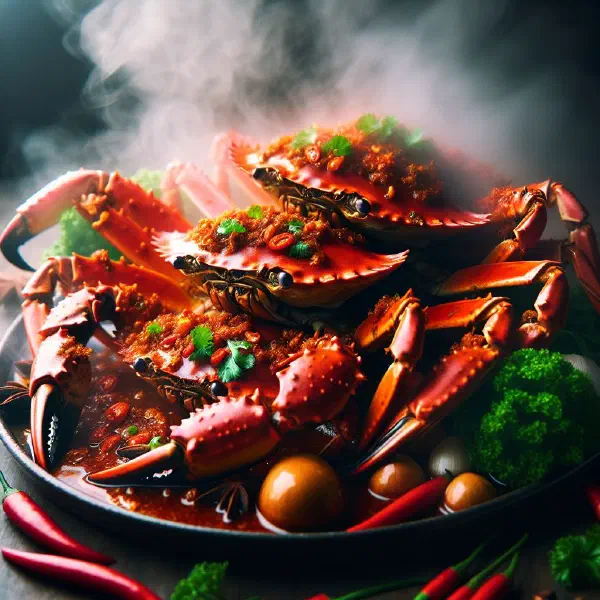
Presentation plays an important role in enjoying sambal sotong. Serve the dish in an attractive bowl and garnish it with freshly chopped coriander and slices of lime. This looks inviting and adds an extra hit of freshness. Take care to divide the portions evenly so that every guest can savour the full measure of heat and aroma. It pairs naturally with other Singaporean seafood plates such as Chili Crab.
A bit of history
The history of sambal sotong is woven deep into the culture of Singapore, where seafood plays a central role in the kitchen. Sambal, a spiced chilli paste, originated in Indonesian cooking and spread through the coastal communities of Southeast Asia. Squid was used practically everywhere along the coast and remains one of the most popular seafood dishes in the region. Today, sambal sotong is beloved by locals and by visitors keen to discover the many flavours of Singaporean cuisine.
More recipe ideas
Summary: Sambal Sotong
In short, sambal sotong is a captivating dish that brings you closer to the rich and varied culture of Singapore. It unites fresh seafood with a perfect balance of heat and aroma. With the right preparation and the right ingredients, you can easily recreate this dish at home. Let it inspire you, and enjoy the delicious flavours that sambal sotong has to offer.