National Dish Singapore: Zongzi (Recipe)
In this article
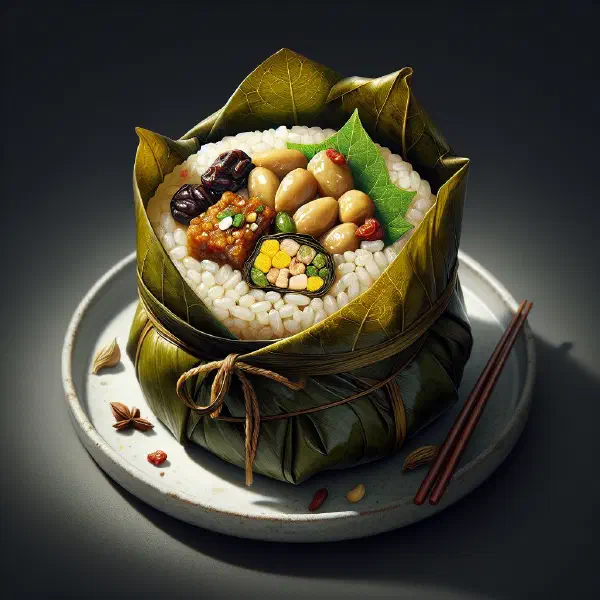
Discover Zongzi, the fragrant parcels of sticky rice that turn up on Singaporean tables whenever there is something to celebrate. Wrapped snugly in bamboo leaves and steamed until tender, each bundle hides a savoury heart of pork, mushrooms and chestnuts. It is festive food at its most generous, the kind of dish that draws a family into the kitchen together and fills the whole house with a warm, leafy aroma. Bring a little of that celebration to your own home.
About Zongzi
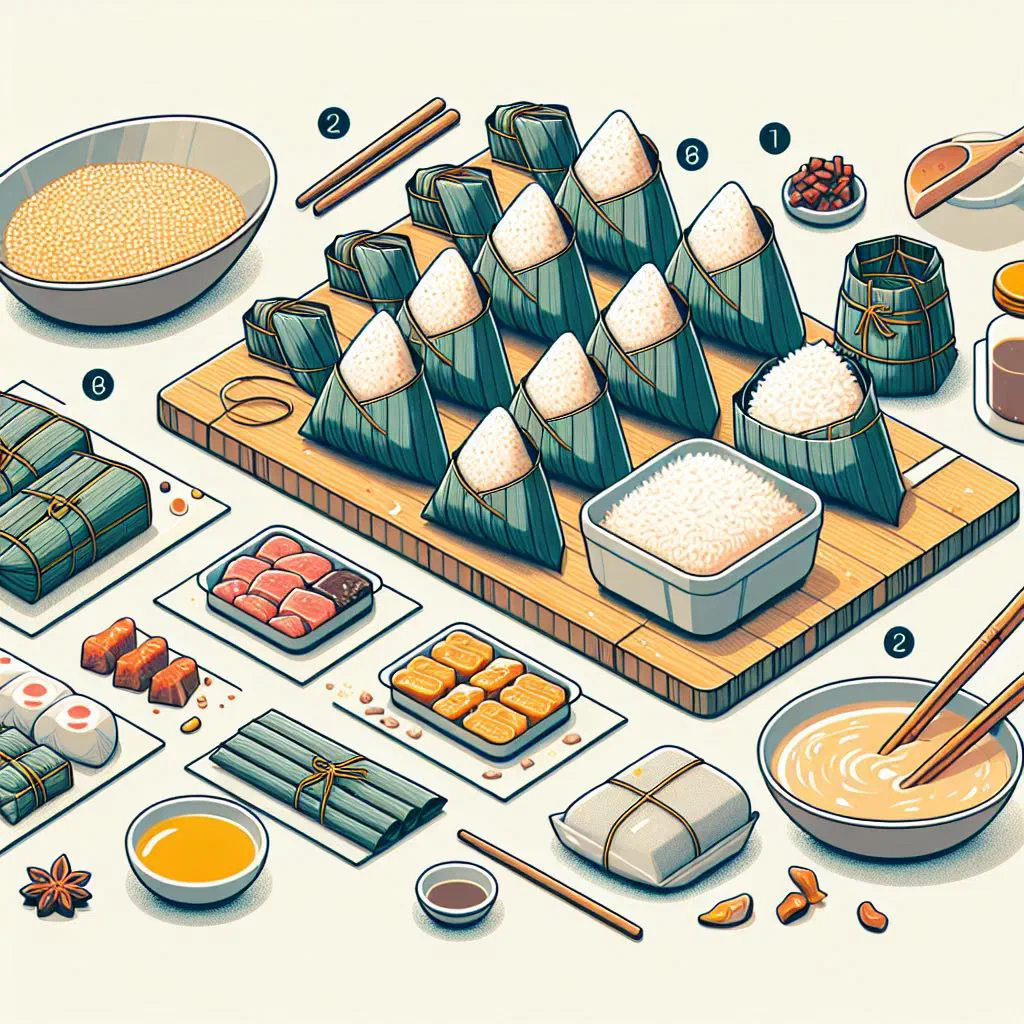
Zongzi is a traditional dish prized for its distinctive shape and its careful preparation. These parcels of glutinous rice, bound up in bamboo leaves, are usually packed with hearty fillings such as pork, dried mushrooms and chestnuts. Zongzi has its origins in Chinese culture and, over the years, has become a much-loved festive dish in Singapore. It is often served at festivals and family gatherings, bringing people together as they enjoy its delicious aroma. It sits comfortably alongside the great glutinous-rice classics of Singaporean cuisine, such as the lotus-leaf-wrapped Lor Mai Kai.
Ingredients (serves 1–2)
- 250 g glutinous rice
- 100 g pork, diced
- 50 g dried mushrooms, sliced
- 30 g chestnuts, chopped
- 2–3 bamboo leaves, soaked
- Soy sauce, salt and pepper, to taste
- Water, for steaming
Shopping for the ingredients
When shopping for zongzi, seek out an Asian grocery, where the glutinous rice and bamboo leaves tend to be sold in more generous quantities. Choose good-quality pork so its flavour really comes through once the parcels are cooked. Dried mushrooms matter too, as they lend the dish a deeper, savoury note, and they come in several varieties to suit your taste.
Preparing the dish
Begin by soaking the glutinous rice at least four hours ahead so it can swell properly. The bamboo leaves should also soak in warm water for at least an hour to make them supple and easy to fold. While the rice and leaves soak, prepare the other ingredients, the pork, chestnuts and mushrooms. Season the meat with soy sauce, salt and pepper to build up the flavour.
Step-by-step instructions
- Drain the soaked glutinous rice and tip it into a bowl.
- Lay half a bamboo leaf on your work surface and spoon a portion of rice onto it.
- Add a few cubes of pork, some dried mushrooms and a little chestnut.
- Cover the filling with a second layer of rice.
- Fold the sides of the bamboo leaf over the parcel and tie it firmly with string.
- Steam in a steamer basket for around 30–40 minutes.
Gluten-free / lactose-free version
For a gluten-free version of zongzi, use a gluten-free soy sauce, or leave it out altogether and season with rice wine instead. As for lactose, the dish is naturally lactose-free, since no dairy is used. Just check the other ingredients carefully to be sure they are lactose-free too. That way anyone with a food intolerance can still enjoy delicious zongzi.
Tips for vegans and vegetarians
Vegans and vegetarians will need to make a few swaps when preparing zongzi. In place of pork, use tofu or tempeh, which offer a good texture and a solid source of protein. Alternatively, add a mix of vegetables and a little truffle to boost the umami flavour. Remember to choose the remaining ingredients with care and make sure they are entirely plant-based.
More tips and tricks
To make sure your zongzi cook evenly, take care not to overfill them, and aim for a consistent size for each parcel. A steamer basket is well worth using, as it spreads the heat evenly. You can also add a little pork stock or vegetable stock to the steaming water to lend the parcels some extra flavour.
Adapting the recipe to your taste
The joy of zongzi lies in how versatile it is. Feel free to adjust the filling to suit yourself. The possibilities are endless. Experiment with different combinations to find the personal favourite that best matches your palate.
Ingredient substitutions
There are plenty of alternatives you can use to fill your zongzi. Instead of pork, try chicken or a meat-free option such as jackfruit for a completely different flavour. With the mushrooms, you might choose shiitake in place of the usual variety, depending on your preference. Adding nuts such as pecans or walnuts can also bring an interesting extra texture.
Drink pairing ideas
A range of drinks suits a dish like zongzi and helps to lift its aroma. Green tea is a classic companion and complements the flavours beautifully. A lightly chilled jasmine tea also works wonderfully. For something a touch sweeter, a gently sweetened chrysanthemum drink balances the savoury richness of the zongzi rather well.
Serving and presentation ideas
Presenting your zongzi matters just as much as the flavour. Serve them in their original bundled form on an attractive, traditional plate to create a real sense of occasion. A simple green salad or a few dipping sauces on the side can add appealing visual contrast. A scattering of seasonal garnishes on the plate gives the whole thing that little extra something.
A bit of history
The story of zongzi stretches back centuries and is closely tied to the Dragon Boat Festival. They were originally prepared as an offering to the poet Qu Yuan, who lived in the third century BC. It is said that people threw zongzi into the river to honour him. Over time the dish has evolved and is now made across many regions with a wide variety of fillings, which only underlines its cultural importance.
More recipe ideas
Summary: Zongzi
In short, zongzi is not only a delicious dish but one carrying rich cultural meaning. With its versatile fillings and straightforward preparation, it is ideal for family celebrations and festive occasions, much like its close cousin, the Hokkien-style Bak Chang. The possibilities are limitless. Let it inspire you and bring a little pinch of Singaporean culture into your own kitchen.