National Dish Slovakia: Bean Goulash (Recipe)
In this article
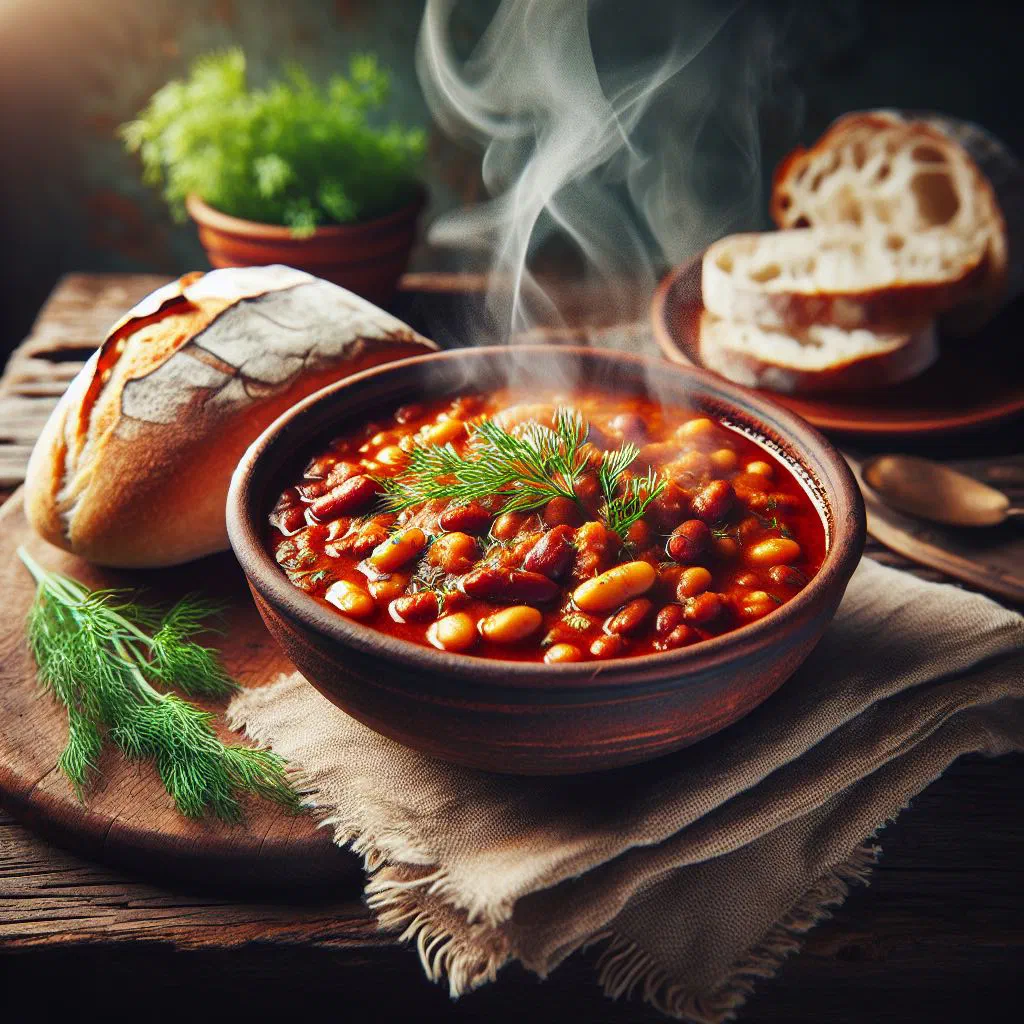
Say hello to Bean Goulash, a hearty stew that sits close to the heart of Slovak home cooking. Built from humble dried beans and a generous hit of paprika, it is the kind of warming, stick-to-your-ribs dish that comes into its own on a cold day. Simple, thrifty and full of flavour, it is genuine soul food, the sort of pot you ladle out around a crowded table when good company matters as much as a good meal.
About Bean Goulash
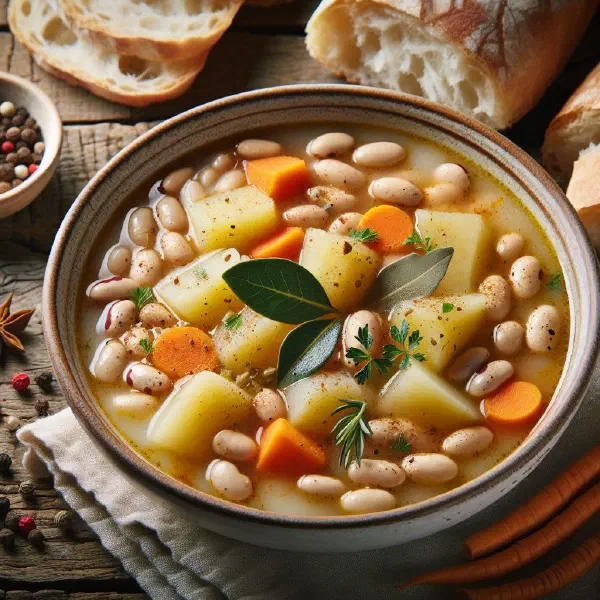
Bean Goulash is often described as a national dish of Slovakia, and it charms with its simplicity and its use of regional ingredients. The dish is known for its savoury, satisfying taste and the robust pairing of beans and spices. In many Slovak households it is made through the colder months, since it is filling and wonderfully warming. It is true comfort food, best enjoyed in cheerful, sociable company.
Ingredients (serves 1–2)
- 200 g dried beans
- 1 onion
- 2 cloves garlic
- 1 pepper (red or green)
- 1 carrot
- 2 tablespoons tomato purée
- 1 teaspoon sweet paprika
- 2 teaspoons caraway seeds
- 1 litre vegetable stock
- Salt and pepper, to taste
Shopping for the ingredients
To make a delicious bean goulash, it pays to choose the freshest ingredients you can find. Visit your local market or favourite grocery shop to track down good-quality dried beans. Look for beans of an even colour with no cracks or splits. The vegetables should be fresh and crisp too, so the flavours of the stew can shine at their best.
Preparing the dish
Before you start cooking, a little preparation goes a long way towards success. The dried beans need to be soaked in water so they soften and cook more quickly, ideally leave them to soak overnight. You should also wash the vegetables thoroughly, peel them and cut them into small pieces so they cook evenly and are easy to eat.
Step-by-step instructions
- Drain the soaked beans, then bring them to the boil in a large pot with the vegetable stock.
- Finely chop the onion and garlic and sauté them in a separate pan with a little oil until translucent.
- Add the pepper and carrot along with the tomato purée, paprika and caraway seeds. Stir well and fry for a few minutes.
- Tip the vegetables into the pot with the beans and stock and let everything simmer together for about 30–40 minutes, until the beans are soft.
- Season with salt and pepper to taste and serve.
Gluten-free / lactose-free version
Bean goulash is naturally gluten-free and lactose-free, which makes it suitable for a great many people. To be certain it stays completely free of gluten, use a vegetable stock that is expressly labelled gluten-free. The choice of beans matters too, most dried beans contain no gluten at all. That means you can tuck in without a second thought.
Tips for vegans and vegetarians
For vegans and vegetarians, bean goulash is ideal, as it contains no animal products. You can easily adapt the recipe by adding extra or alternative vegetables, such as courgette or celery, to build in more flavour and nutrients. A squeeze of lemon at the end of cooking brings fresh notes and lifts the whole dish. Experiment with different spices to give your stew a personal signature. It sits happily alongside other meat-free favourites such as Fazulove Halusky.
More tips and tricks
To deepen the flavours of your bean goulash even further, let the stew simmer for longer so the spices can develop fully. It is best not to overcook the beans, or they will turn mushy. A hand blender can be used to purée a portion of the stew, giving a creamy consistency without breaking up all the beans. Fresh herbs such as parsley or thyme also make lovely additions as a garnish.
Adapting the recipe to your taste
The recipe for bean goulash is very flexible and easy to tailor to personal preference. Fancy something spicier? Simply add chilli or a pinch of cayenne pepper. For a milder version you can hold back on the pepper or choose a sweet variety. The vegetables can be varied too. Try beans or peas to bring in different textures and flavours.
Ingredient substitutions
If you are missing an ingredient or simply want an alternative, there are plenty of options that work well in bean goulash. Instead of dried beans you can use tinned beans, which are already cooked and shorten the preparation time. Vegetables such as courgette, aubergine or even sweet potato make good extra choices. Just remember to adjust the cooking time so everything cooks through evenly. For a similar bean-based classic, take a look at Fazulova Polievka.
Drink pairing ideas
When you serve your bean goulash, it is worth choosing a drink that complements the flavours of the dish. A cold, refreshing beer, such as a pale lager or a dark ale, goes wonderfully with the savoury notes of the stew. Alternatively, pick a red wine that is not too heavy and underlines the flavours nicely. For a non-alcoholic option, small glasses of water or fruit juice help to balance the taste.
Serving and presentation ideas
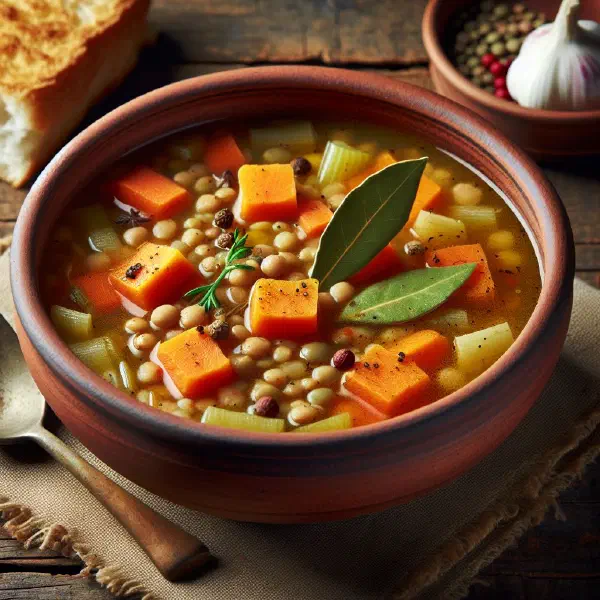
How you present your bean goulash can make a real difference to the enjoyment of the meal. Serve the stew in attractive bowls or earthenware pots that play up the rustic feel of the dish. A garnish of fresh parsley or a slice of lemon is pleasing to the eye and adds a touch of freshness. Crusty bread or fresh rolls round things off perfectly and are ideal for mopping up the stew.
A bit of history
Bean goulash has its roots in traditional Slovak cuisine and reflects the cultural influences of the region. The dish was originally made as a simple, nourishing meal for workers and farmers, since the ingredients were cheap and easy to come by. Today bean goulash has grown into a much-loved dish found in many Slovak households as well as in restaurants. It is a symbol of the heartiness and hospitality that run through Slovak cuisine.
More recipe ideas
Summary: Bean Goulash
Bean goulash is delicious dish; it is a piece of Slovak culture served up on a plate. With its savoury flavours and its versatility in the kitchen, it is perfect for sociable evenings or as a soul-warmer on cold days. Spices or alternative ingredients, the possibilities are endless. Let this traditional recipe inspire you and enjoy the tastes of Slovakia.