National Dish Somalia: Basbousa (Recipe)
In this article
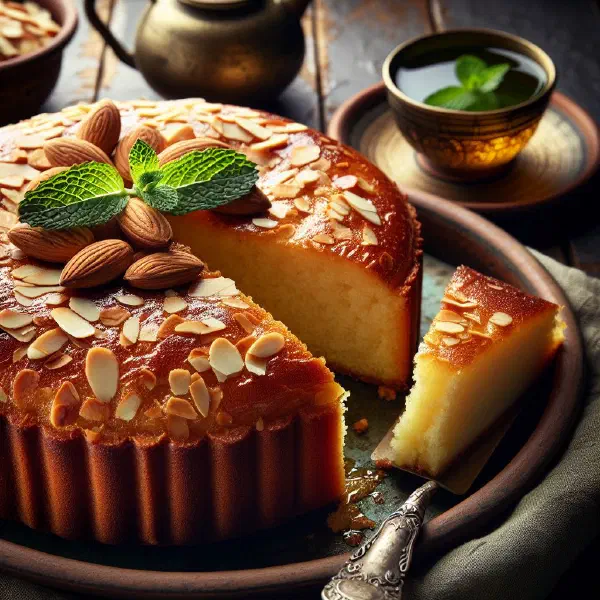
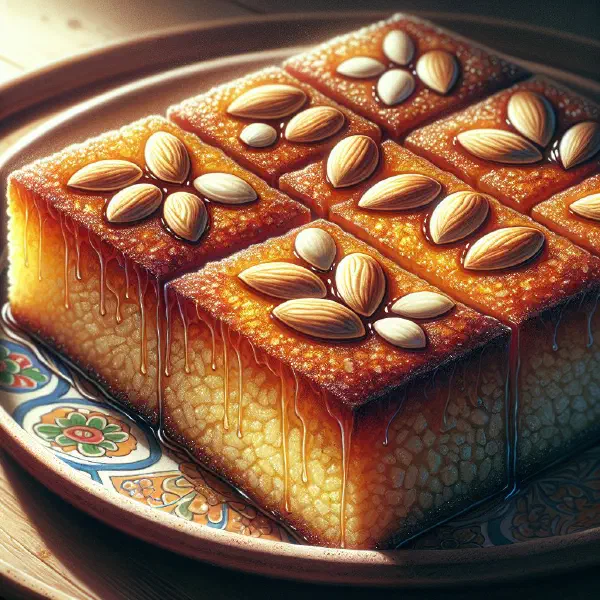
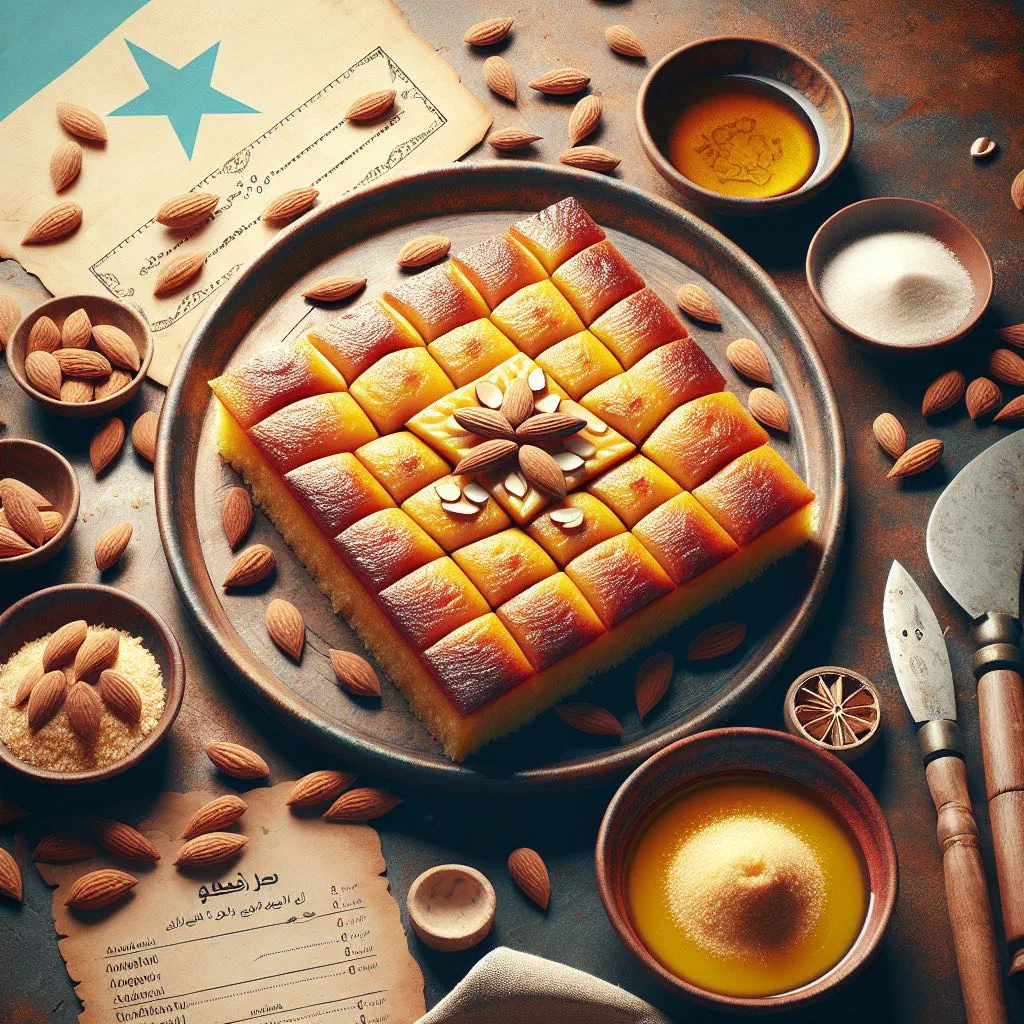
Discover Basbousa, the syrup-soaked semolina cake that Somali households bring out whenever there is something worth celebrating. Tender, faintly grainy and glossy with a lemon syrup that soaks right through to the base, it manages to be both homely and rather elegant. A handful of storecupboard ingredients, half an hour in the oven, and you have a dessert that tastes of hospitality itself.
About Basbousa
Basbousa is a much-loved Somali dessert built around semolina, and over the years it has earned a firm place in the country’s baking traditions. It appears at weddings, at Eid tables and at any gathering where sweetness is called for. The delicate crumb and the sweet syrup poured over the hot cake make it a genuine treat, and it is as straightforward to bake as it is impressive to serve. More than anything, it puts a piece of authentic culture on the table.
Ingredients (serves 1–2)
- 1 cup semolina
- 1 cup natural yoghurt
- 1/2 cup sugar
- 1/4 cup melted butter
- 1 teaspoon baking powder
- 1 cup water
- 1/2 cup sugar (for the syrup)
- 1 tablespoon lemon juice
Shopping for the ingredients
The ingredients for basbousa are easy to find in most supermarkets. Head to the baking aisle for the semolina and baking powder, while fresh items such as yoghurt live in the chilled section. Sugar comes in several grades, so stick to the type the recipe calls for. As with any simple bake, quality tells: choose good ingredients and the flavour will reward you.
Preparing the dish
Before you start on the basbousa, it pays to get everything ready. Measure out the quantities and check that nothing has been forgotten, since the batter comes together in moments. Preheat the oven to 180°C so it is up to temperature when you need it.
Step-by-step instructions
- In a large bowl, mix the semolina, yoghurt, sugar, melted butter and baking powder until well combined.
- Spread the batter evenly into a greased baking tin and bake at 180°C for about 30 minutes.
- While the cake bakes, bring the water, sugar and lemon juice to the boil in a small pan until the sugar has dissolved.
- Take the cake from the oven and pour the syrup over it straight away so it soaks all the way through.
Gluten-free / lactose-free version
For a gluten-free version of basbousa, replace the semolina with a gluten-free flour blend or almond flour, and check that everything else, the yoghurt in particular, is also gluten-free. To make the cake lactose-free, use a plant-based yoghurt such as coconut or soya. These small swaps mean anyone with an intolerance can enjoy the dessert alongside everyone else.
Tips for vegans and vegetarians
For a vegan basbousa, swap the yoghurt for a plant-based version such as almond or soya. Coconut oil in place of butter is another good move, and it lends the crumb a gentle richness. Do check that all your ingredients are vegan, including the sugar, which is not always refined without animal products. With a couple of modest changes, everyone can enjoy these flavours, much as they can with a bowl of Cambuulo.
More tips and tricks
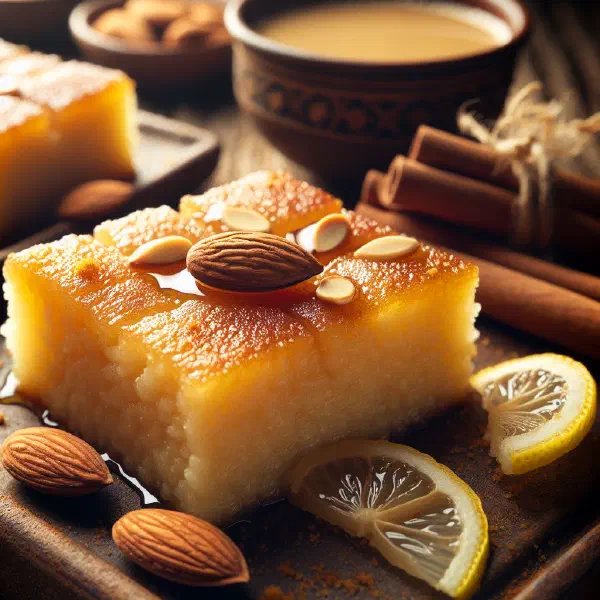
There are plenty of ways to make basbousa your own. Stirring nuts or raisins into the batter adds extra flavour and a pleasing contrast in texture. Warm spices such as cinnamon or nutmeg give the cake a distinctive character without overwhelming it. Be inventive and adjust as you go until you have a version you want to bake again and again.
Adapting the recipe to your taste
If you would like to tweak the recipe, start with the sweetness: more or less sugar changes the whole balance. The texture is adjustable too, and a slightly drier, firmer cake can be every bit as good. Experiment with different syrups, rose water or orange blossom water bring a fragrant, floral note. Adaptations like these make basbousa an unusually versatile dessert.
Ingredient substitutions
If you do not have everything to hand, there are good alternatives. Plain wheat flour can stand in for semolina, giving a softer, less grainy crumb. Oil works in place of butter for a lighter result. This kind of flexibility lets you improvise while still turning out something delicious, in the same spirit as the sesame-flecked Qamadi With Sesame Seeds.
Drink pairing ideas
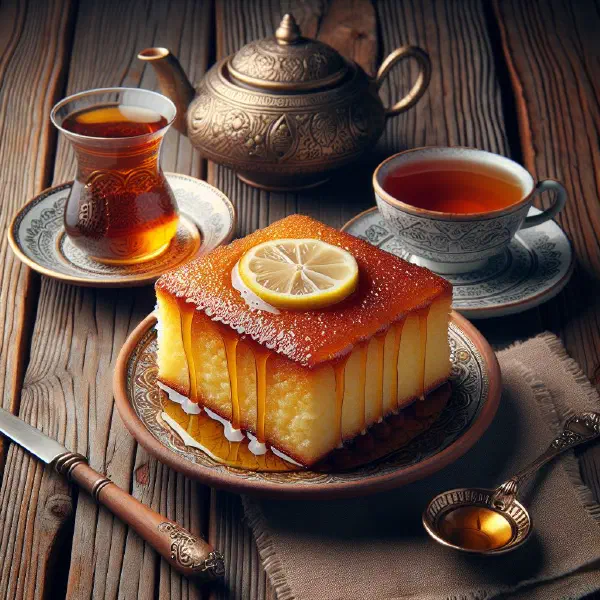
Basbousa goes beautifully with a range of drinks. Traditional Somali Tea or a small cup of strong coffee matches the sweetness perfectly. A cooling mint water or a fruit tea also makes an elegant partner. Whatever you pour, look for something that complements the syrup rather than competing with it.
Serving and presentation ideas
To present basbousa well, cut it into neat diamonds and arrange them on a handsome plate. A dusting of icing sugar or a scattering of chopped nuts smartens it up considerably. Serve with a spoonful of extra syrup and perhaps a few fresh mint leaves as a garnish. Good presentation lifts the whole occasion and never fails to please guests.
A bit of history
Basbousa has a long history and is firmly woven into Somali baking. Its roots are generally traced to the Middle East, where closely related recipes are still made today, and it travelled along the trade routes of the Red Sea. In Somalia it became thoroughly at home and now is a symbol of hospitality and festive good cheer, much like the other sweets of Somali cuisine. It is a dessert that carries several cultural influences in a single tender slice.
More recipe ideas
Summary: Basbousa
Basbousa is a memorable dessert, generous, fragrant and quietly seductive. Simple to prepare, easy to adapt and exquisite to eat, it brings a piece of Somalia into your kitchen. Serve it for a special occasion or as a sweet reward at the end of a meal. Let basbousa work its charm and discover just how much flavour a bowl of semolina can hold.