National Dish Somalia: Halwa with Nuts (Recipe)
In this article
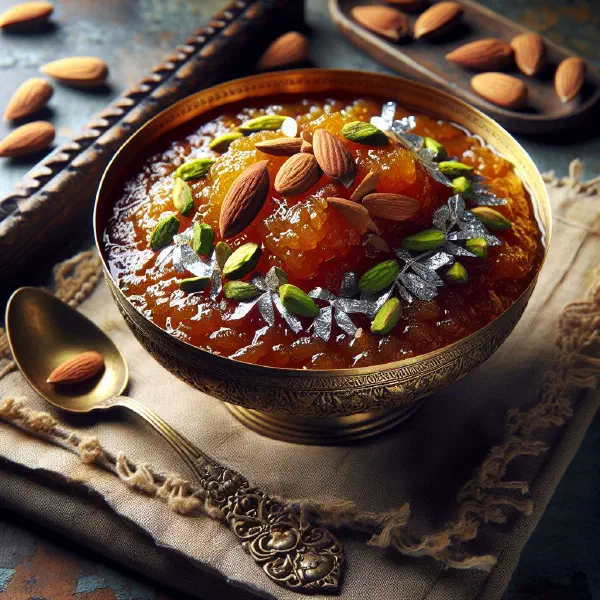
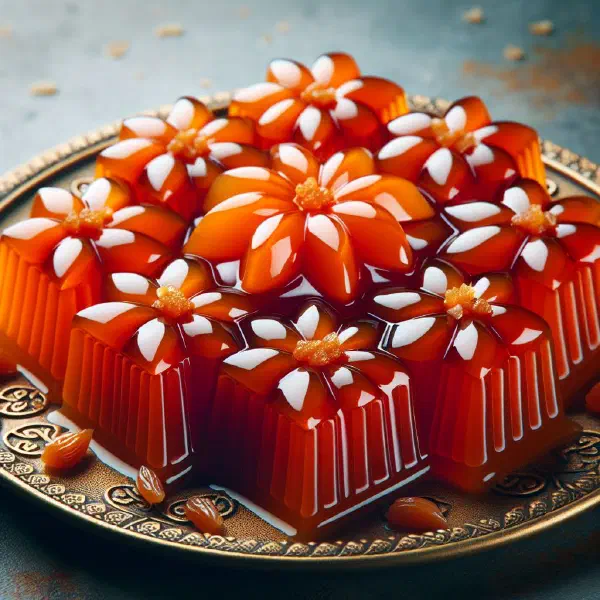
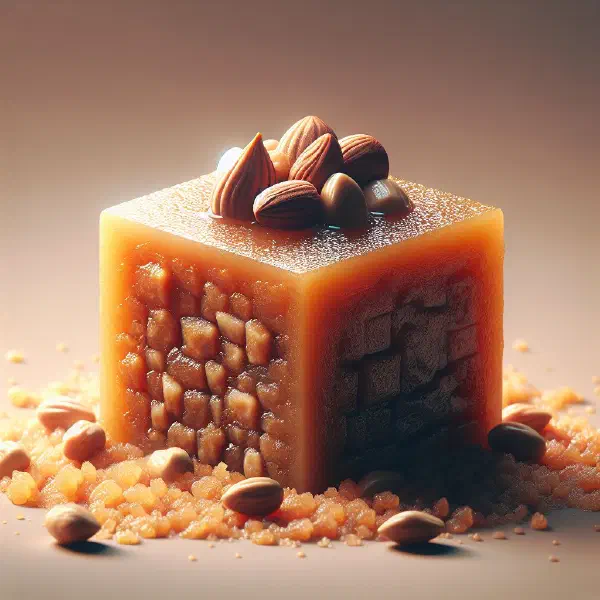
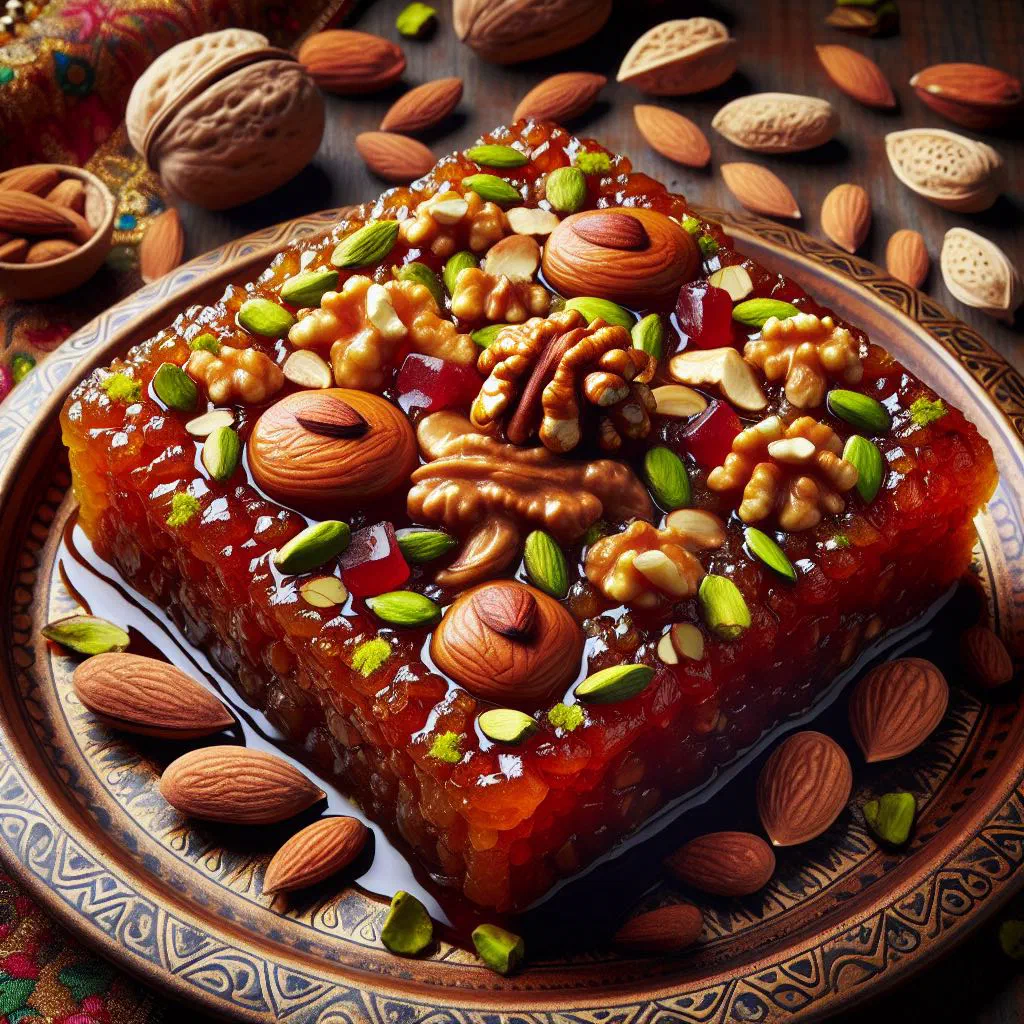
Discover Halwa with Nuts, the glossy, fragrant sweet that turns up at every Somali celebration worth the name. Cardamom-scented and generously studded with almonds and pistachios, it sits somewhere between a confection and a dessert, sticky, rich and impossible to stop at one piece. Cut into neat squares and served with a pot of tea, it brings the warmth of a Somali welcome straight to your own kitchen.
About Halwa with Nuts
Halwa is a traditional Somali dessert treasured in households across the country. It brings together the perfume of cardamom and the caramel sweetness of sugar with a generous handful of mixed nuts, giving it a flavour and texture all of its own. Halwa is equally at home as an afternoon snack with tea or as a sweet finish to a meal. This is one of those simple sweets that carries the bright hospitality of Somali culture in every bite.
Ingredients (serves 1–2)
- 1 cup sugar
- 1 cup water
- 1/2 cup semolina
- 1/4 cup butter or ghee
- 1 teaspoon ground cardamom
- 1/2 cup mixed nuts (almonds, pistachios and similar)
- A pinch of salt
Shopping for the ingredients
Everything you need for halwa is easy to find in a regular supermarket or at a Middle Eastern or African grocer. When buying the nuts, look for fresh, plump kernels of good quality, stale nuts will dull the whole dish. Cardamom is sold both as whole pods and as ready-ground powder; the powder is the more practical choice here. Do not skimp on the butter or ghee either, as it carries the aroma and gives the halwa its characteristic sheen.
Preparing the dish
Before you start cooking, get everything measured out and within arm’s reach, halwa comes together quickly and there is no time to hunt for ingredients once the pan is hot. Weigh the quantities accurately, since the ratio of sugar to water to semolina decides the final consistency. Chop the nuts coarsely so they distribute evenly through the mixture rather than sinking to the bottom. Finally, line or lightly oil a shallow tin or dish ready to receive the finished halwa.
Step-by-step instructions
- Bring the sugar and water to the boil in a saucepan, stirring until the sugar has completely dissolved.
- Add the semolina and let the mixture simmer, stirring constantly, until it thickens.
- Stir in the butter or ghee along with the ground cardamom.
- Fold in the nuts, mix thoroughly and pour into the prepared tin.
- Leave the halwa to cool to room temperature, then cut into pieces and serve.
Gluten-free / lactose-free version
The classic version is thickened with semolina, so for a genuinely gluten-free halwa swap it for cornflour or fine rice flour. Both set beautifully and keep the texture close to the original. Making it lactose-free is even simpler: use plant-based butter or a neutral oil in place of the ghee. Check that no other dairy sneaks in, and you have a sweet that everyone at the table can share.
Tips for vegans and vegetarians
For a vegan halwa, reach for plant-based butter or coconut oil instead of ghee. Choose fresh, unroasted nuts so their natural oils and nutrients come through at their best. The sugar can also be swapped for maple syrup or agave syrup if you would rather cut back on refined sweetness, though you may need to simmer the mixture a little longer. The recipe takes to these adjustments easily without losing its character.
More tips and tricks
A small squeeze of lemon juice stirred in at the end lifts the sweetness and adds a welcome brightness. Pouring the halwa into a lightly oiled tin makes turning it out far less of a struggle once it has set. Keep stirring steadily throughout the cooking. This is what guarantees an even, glossy texture and stops lumps forming. It is also well worth experimenting with spices such as cinnamon or clove to discover new variations.
Adapting the recipe to your taste
Everyone has their own idea of how sweet a sweet should be. Adjust the amount of sugar up or down to suit your palate, tasting as the syrup comes together. The nuts are equally flexible, hazelnuts, walnuts or cashews all work well in place of the usual almonds and pistachios. The one thing to keep an eye on is balance: as long as the cardamom, fat and sweetness stay in proportion, the halwa will be delicious however you tweak it.
Ingredient substitutions
If you have no nuts to hand, or you are cooking for someone with an allergy, halwa is perfectly good made plain. Dried fruit such as raisins or dates makes an excellent alternative, adding a different kind of sweetness and a chewier bite, much as it does in a slice of Somali Banana Cake. Honey or stevia can stand in for some or all of the sugar if you want to reduce it. Just bear in mind that alternative sweeteners behave differently in the pan, so adjust your cooking time accordingly.
Drink pairing ideas
Halwa is superb alongside an aromatic black tea or a spiced Somali Tea, whose cardamom and cinnamon echo the sweet itself. Fruity infusions or a cooling mint drink also make an interesting contrast to all that richness. For something a little different, a tangy yoghurt drink cuts through the sweetness beautifully. Whatever you choose, serve it at the right temperature, piping hot tea or properly chilled, and the pairing will do its job.
Serving and presentation ideas
How you present halwa makes a real difference to the pleasure of eating it. Serve the pieces on attractive plates or in small bowls, dusted lightly with icing sugar. Finish with a few fresh mint leaves or a scattering of chopped nuts across the top for colour and crunch. A decorative arrangement of dried fruit on the side rounds out the plate and gives guests something to nibble between pieces, a trick that works just as well with Kac Kac.
A bit of history
Halwa has a long history across many cultures and is especially widespread in the Arab world and North Africa, having travelled the old trading routes of the Indian Ocean. It has always been a sweet of celebration, made in quantity for special occasions. In Somalia it appears at weddings and festivals as a marker of hospitality, and no guest is sent away without a piece. Handed down through generations, this traditional confection is still made with real pride today and remains a cornerstone of Somali cuisine.
More recipe ideas
Summary: Halwa with Nuts
In short, halwa with nuts is a rich, versatile sweet that has won over generations of Somali food lovers. Its distinctive marriage of cardamom, caramelised sugar and crunchy nuts makes it deservedly popular, and it is far easier to make than its glossy appearance suggests. Halwa puts a piece of Somali culture directly on your table. Enjoy the making of it, and above all, enjoy sharing it.