National Dish Somalia: Qamadi (Recipe)
In this article
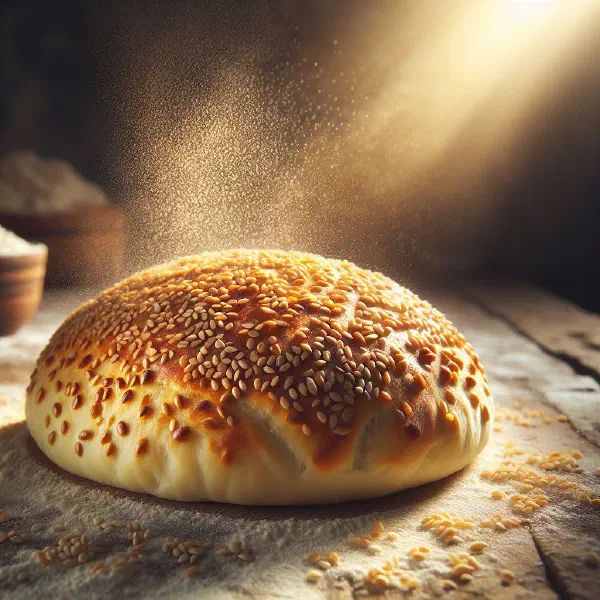
Meet Qamadi, a wonderfully simple Somali flatbread that turns a handful of pantry staples into something memorable. Soft dough, a whisper of warm spice and a hot pan are all it takes, and within an hour you have golden rounds ready for the table. It works equally well as a main course or as a side to soak up a rich stew, and it carries generations of Somali hospitality in every bite.
About Qamadi
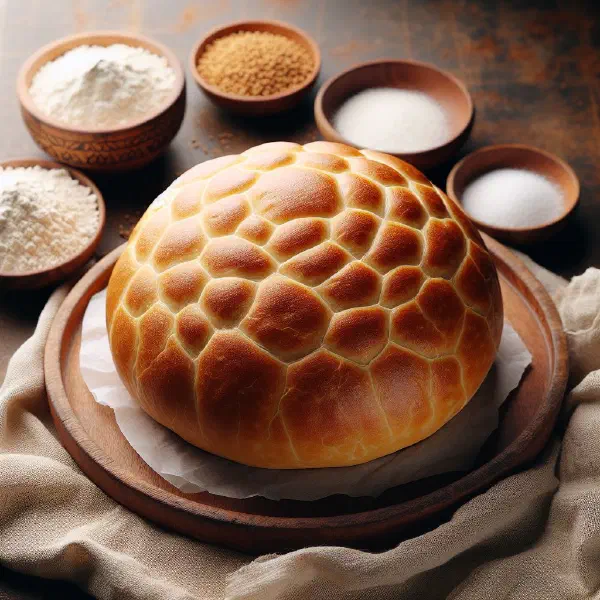
Qamadi is a dish steeped in tradition from Somalia, and it captures the culinary roots and everyday eating habits of the country beautifully. In a single recipe it brings together the aromatic spices of Africa with simple yet delicious ingredients. The dish is versatile: serve it as a main course in its own right, or as a side dish to accompany other food, much as you would Muufo Bread. At sociable gatherings, qamadi delivers an unmistakable taste experience and invites you to get to know Somali culture a little better.
Ingredients (serves 1–2)
- 200 g wheat flour
- 1 tsp salt
- 300 ml water
- 1 tsp sugar
- Olive oil, for frying
- Spices of your choice (e.g. cumin, coriander)
Shopping for the ingredients
To make qamadi, it pays to buy everything you need in advance. Pay particular attention to the quality of the wheat flour and the spices, as both have a considerable influence on the flavour of the finished dish. Visit local markets or an African or Middle Eastern grocery to find authentic spices and fresh ingredients. It is also sensible to keep a little extra water to hand in case the dough turns out too dry.
Preparing the dish
Good preparation matters before you start cooking qamadi. Have all your ingredients within easy reach so the cooking process runs smoothly. Measure out the quantities and decide which spices you would like to use. It also helps to lay out every piece of equipment and utensil you will need beforehand, so you can work efficiently and without interruption.
Step-by-step instructions
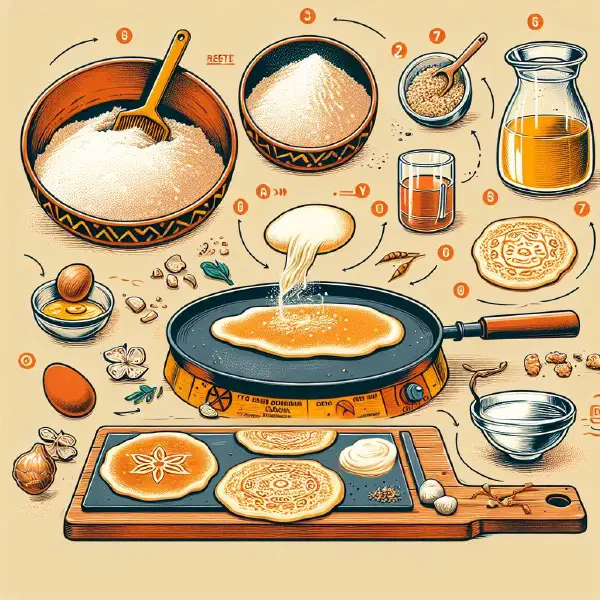
- Combine the wheat flour with the salt and sugar in a large bowl.
- Pour in the water bit by bit and knead the dough until it is smooth and supple.
- Cover the dough with a cloth and leave it to rest for 30 minutes.
- Divide the dough into small portions and roll each one out flat.
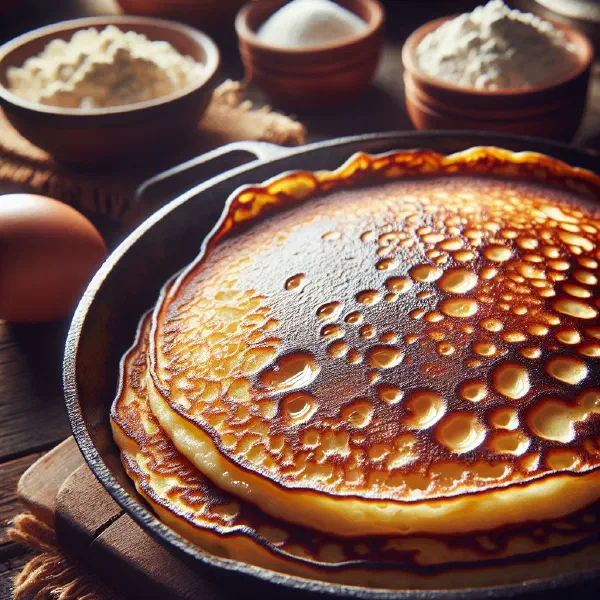
- Heat the olive oil in a pan and fry the flatbreads until golden brown on both sides.
Gluten-free / lactose-free version
For a gluten-free version of qamadi, simply use gluten-free flour. That way the dish can be enjoyed by anyone with a gluten intolerance as well. Take care to use lactose-free alternatives or plain oils so the recipe agrees with every guest at the table. Adjust the ingredients accordingly to make sure none of the flavour is lost along the way.
Tips for vegans and vegetarians
Almost every ingredient in qamadi is naturally vegan and vegetarian. When choosing your spices and oils, simply make sure you avoid anything containing animal products. Olive oil, for example, is an excellent choice and lends the flatbreads a satisfying savoury depth. Experiment with different vegetable sides to make the dish even more appealing, a bowl of Somali Lentil Stew is a natural partner.
More tips and tricks
There are many ways to vary qamadi and give it a personal signature. Experiment with different spice combinations, or add fresh herbs to lend the dough extra aroma. One excellent trick is to brush the flatbreads with a little butter or olive oil the moment they come out of the pan, which intensifies the flavour noticeably. Small adjustments like these can improve the eating experience enormously.
Adapting the recipe to your taste
Qamadi is an extremely adaptable dish that adjusts easily to different tastes and preferences. The choice of spices is entirely yours. Try varying the recipe with local ingredients you may already have in the cupboard. And do not forget that a touch of sweetness, a little honey or sugar, can bring a gentle sweet element into the dish.
Ingredient substitutions
If you do not have every ingredient for qamadi to hand, there are plenty of alternatives. You could replace the wheat flour with buckwheat flour, for instance, for an even more nutritious result. The choice of spices can be varied too: if cumin is not to your liking, try other exotic spices to discover a fresh flavour direction.
Drink pairing ideas
Several drinks pair beautifully with qamadi and round out its flavour. A refreshing mint tea or a classic cup of Somali Tea will lift the mood at any table. For those who prefer something livelier, a fresh fruit juice works very well. Just make sure the drink is not too dominant, so it supports rather than overwhelms the aromas of the flatbread.
Serving and presentation ideas
Presentation can raise the enjoyment of qamadi considerably. Serve the flatbreads warm on a large platter and garnish them with fresh herbs such as coriander or parsley. An attractive presentation can also be achieved with colourful sides. A few crisp vegetable sticks or an aromatic dip make the dish even more inviting for guests.
A bit of history
Qamadi has a long history in Somali cuisine and is closely tied to the eating habits of the country’s nomadic population. It has been passed down through generations and reflects both the way of life and the cultural traditions of the region. The dish is often served at special occasions or family celebrations, which only strengthens its significance in Somali culture. Qamadi is not merely food; it is a symbol of community and hospitality.
More recipe ideas
Summary: Qamadi
Qamadi is a delicious and versatile dish that unites the flavours and traditions of Somali cooking in one straightforward recipe. It is easy to prepare and simple to adapt to whatever you happen to enjoy. With a wide range of spices and side dishes to choose from, qamadi is a genuine pleasure not only on special occasions but on ordinary weeknights too. Let this dish inspire you and bring a touch of Somalia into your own kitchen.