National Dish Somalia: Qamadi with Sesame Seeds (Recipe)
In this article
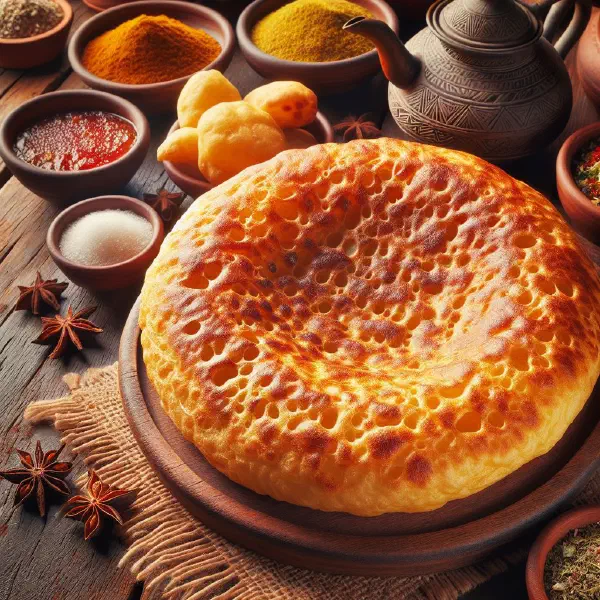
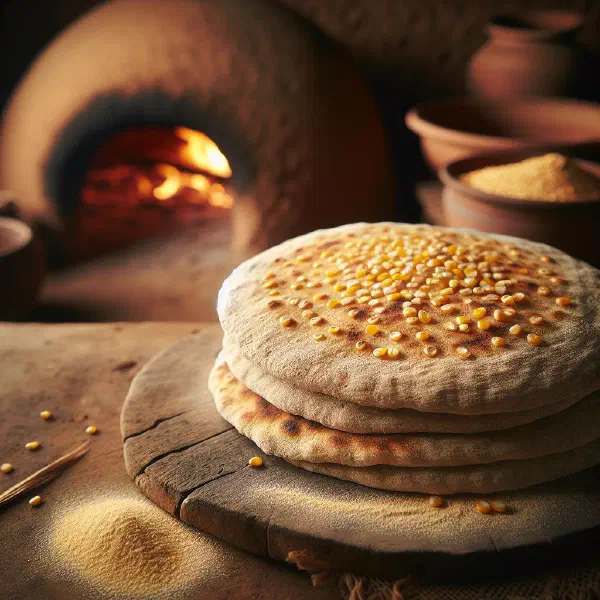
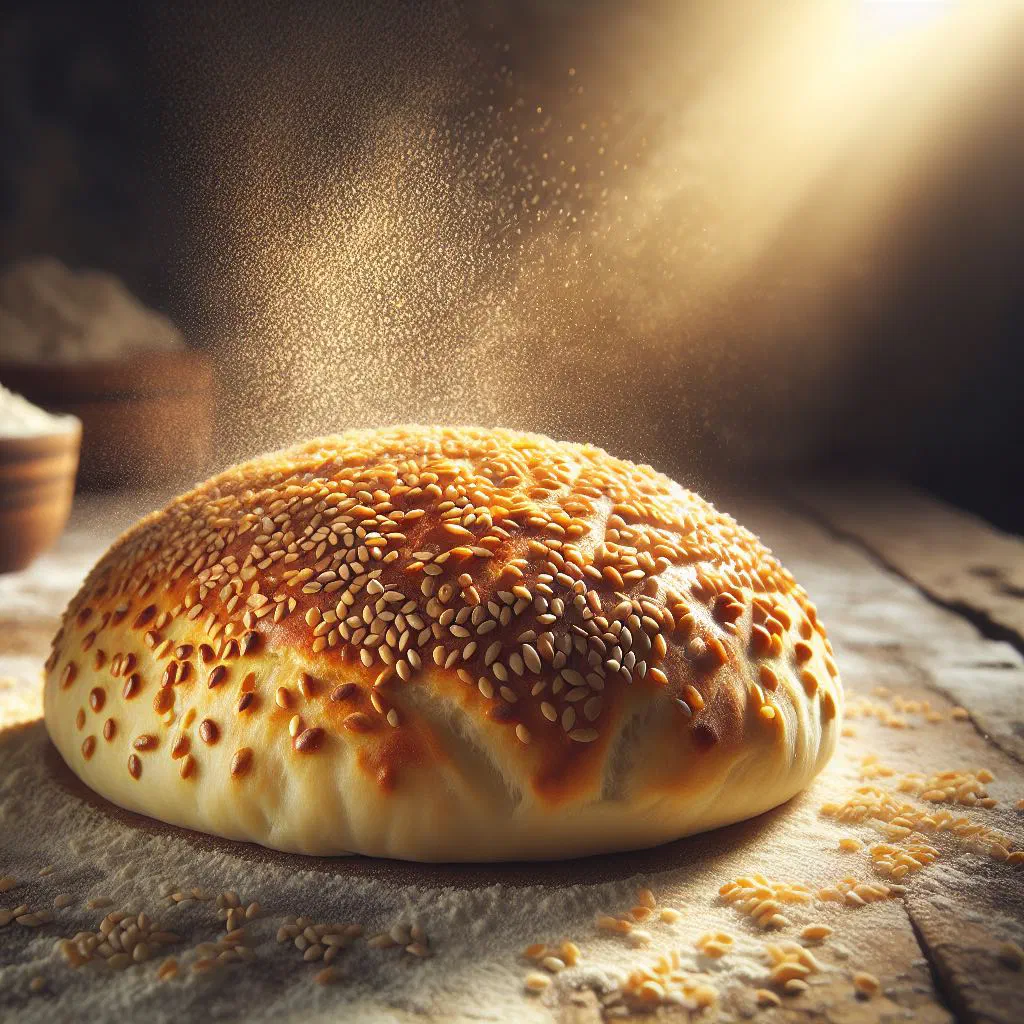
Meet Qamadi with Sesame Seeds, a wonderfully simple Somali flatbread that punches far above its short ingredient list. Soft and pliable inside, lightly blistered on the outside and studded with nutty sesame seeds, it is the kind of bread that turns up on Somali tables every single day, and just as happily at weddings and holiday feasts. With nothing more than flour, water, oil and a hot pan, you can bring a proper taste of the Horn of Africa into your own kitchen.
About Qamadi with Sesame Seeds
Qamadi is a savoury flatbread that owes its reputation to a straightforward method and a flavour all of its own. It is usually served with a spread of side dishes, from stews to dips, and the fragrant sesame seeds worked into the dough give it both an extra dimension of taste and a welcome nutritional boost. Many households across Somalia bake qamadi for celebrations as well as for everyday eating, which is exactly why it holds such an important place in Somali culture, much like the better-known Muufo that shares a spot in the same bread basket.
Ingredients (serves 1–2)
- 250 g wheat flour
- 2 tablespoons sesame seeds
- 1 teaspoon salt
- 180 ml water
- 2 tablespoons oil (olive or sunflower)
Shopping for the ingredients
When shopping for qamadi with sesame seeds, look out for fresh, good-quality produce. The wheat flour is best bought from a well-stocked bakery or a health food shop, as a better flour gives noticeably better results at the pan. Sesame seeds are easy to find almost anywhere, and the pre-toasted variety adds an extra layer of flavour if you want it. Don’t overlook the oil either, an unrefined olive or sunflower oil will intensify the taste of the finished bread.
Preparing the dish
Before you start on the qamadi, it pays to have everything measured out and within arm’s reach. Begin by tipping the flour and the sesame seeds into a bowl and mixing them together thoroughly. Adding the salt at this stage lifts the flavour and gives the bread a rounder aroma. Pour the water in gradually rather than all at once, so you keep full control over the consistency of the dough.
Step-by-step instructions
- Combine the wheat flour, sesame seeds and salt thoroughly in a large bowl.
- Slowly add the water and the oil until the dough comes together and turns smooth.
- Knead the dough on a floured surface until it is elastic and springy.
- Cover the dough and leave it to rest for an hour.
- After resting, divide the dough into small portions and roll each one out into a thin round.
- Heat a pan and cook the flatbreads on both sides until golden brown.
- Arrange the finished flatbreads on a plate and serve them warm.
Gluten-free / lactose-free version
To make qamadi gluten-free, use a gluten-free flour blend based on rice and maize flour. For anyone with a lactose intolerance the recipe already works as written, since no dairy is involved at any stage. Just double-check that your oils and spices are lactose-free too. These small adjustments make the bread ideal for special dietary needs while keeping the eating experience every bit as good.
Tips for vegans and vegetarians
Qamadi with sesame seeds is naturally a vegan dish, as it contains no animal products whatsoever. If you are cooking it for a plant-based table, simply make sure that every other component, the oil and any spices, comes from a plant source as well. Experiment with additional seasonings to tune the flavour to your own liking. The bread pairs beautifully with plant-based sides such as a bowl of Somali Lentil Stew for a balanced vegan meal.
More tips and tricks
To get the very best from your qamadi, try working different herbs and spices directly into the dough. Toasted sesame seeds scattered over the rounds just before they hit the pan add a lovely crunchy bite. To keep the flatbreads fresh, store them wrapped in a clean tea towel somewhere dry and cool. They also reheat beautifully, a minute in a dry pan or a few minutes in the oven brings them straight back to life.
Adapting the recipe to your taste
Qamadi is easy to bend to personal preference. You might fold extra vegetables or spices into the dough to uncover new flavour combinations. Sweet versions are equally possible: a spoonful of sugar or honey transforms the bread into something closer to a treat. That flexibility means the same recipe can serve as a savoury accompaniment or a sweet snack, depending entirely on your mood.
Ingredient substitutions
If you have no wheat flour to hand, oat flour or spelt flour will both make a perfectly good qamadi. For a nuttier character, try almond flour in combination with other gluten-free flours. And instead of sesame seeds you could reach for linseed or chia seeds to push up the nutrient density. Swaps like these give the bread a fresh twist and widen your repertoire, much as they do with the closely related Qamadi.
Drink pairing ideas
Qamadi goes remarkably well with a range of drinks. A classic Somali tea service of fragrant, lightly sweetened black tea complements the flavour of the bread perfectly, see our Somali Tea for the traditional method. Mineral-rich fruit juices or a fresh mint tea offer a more refreshing alternative. If you are serving at a celebration, an alcohol-free cocktail built on tropical fruit is always a hit.
Serving and presentation ideas
When presenting qamadi, think about combining inviting colours and textures. Arrange the flatbreads in a handsome shallow dish and garnish with fresh herbs. Attractively plated dips or spreads made from hummus or avocado can sit alongside the bread to lift the whole table visually. A thoughtful arrangement doesn’t just look good. It turns an ordinary meal into a genuine occasion.
A bit of history
Qamadi has its roots in Somali culture and reflects the influence of the country’s many ethnic groups and traditions. It has been valued for generations as a staple that not only fills you up but, through its regional ingredients, carries a real sense of home. The prominence of sesame seeds in Somali cuisine is itself testament to the agricultural richness of the region. Learning about the history of qamadi deepens our understanding of Somali identity and its culinary traditions.
More recipe ideas
Summary: Qamadi with Sesame Seeds
Qamadi with sesame seeds is far more than a plain flatbread; it is a piece of culinary heritage that captures the taste of Somalia. The contrast between the soft dough and the crunchy sesame seeds makes it an ideal side dish or a satisfying snack in its own right. Whether it appears as part of a festive spread or as everyday sustenance, qamadi delivers in every form. Let the variety of Somali cooking inspire you, and enjoy the flavours this humble bread has to offer.