National Dish Somalia: Qamdi with Coconut (Recipe)
In this article
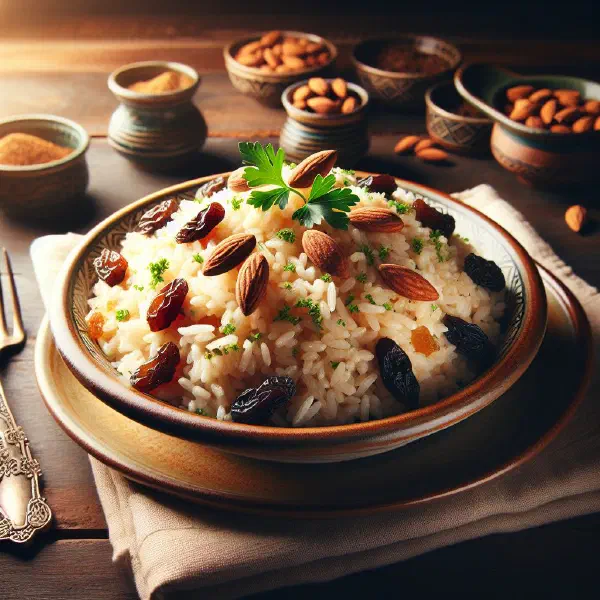
Meet Qamdi with Coconut, a gently fragrant Somali one-pot that turns a handful of humble store-cupboard staples into something quietly luxurious. Tender rice and nutty chickpeas simmer in coconut milk until every grain is glossy and rich, with cumin and garlic humming away in the background. It is the sort of dish that suits a festive table and a quiet weeknight equally well, generous, comforting and effortlessly plant-based.
About Qamdi with Coconut
Qamdi with Coconut is a traditional Somali dish that captures the flavours of a fascinating and much-underrated culinary region. It brings together soft rice and nourishing chickpeas, both of which take beautifully to the natural sweetness of coconut. The combination is a pleasure for the palate and a small journey for the senses. It works splendidly for celebrations, yet it is simple enough to serve as a hearty family meal any day of the week.
Ingredients (serves 1–2)
- 1 cup rice
- 1/2 cup chickpeas (cooked or tinned)
- 1 cup coconut milk
- 1 onion, diced
- 2 cloves of garlic, chopped
- 1 teaspoon cumin
- Salt and pepper to taste
- Fresh coriander leaves, to garnish
Shopping for the ingredients
To make qamdi with coconut properly, you want fresh, good-quality ingredients. A local market or an Asian grocery is the best place to track down coconut milk and the spices. Fresh coriander adds a burst of brightness to the finished dish and a decorative flourish. Choose good chickpeas, too. They carry much of the texture here, and a better tin genuinely makes a difference to the end result.
Preparing the dish
Before you start cooking, it pays to get everything ready. Rinse the rice thoroughly under cold water to wash away the excess starch, which is what keeps the grains light and fluffy once cooked. The chickpeas can be home-cooked or straight from a tin; either way, rinse them well to reduce the salt they carry and to freshen their flavour. A tidy work surface makes the rest of the recipe an easy, unhurried affair.
Step-by-step instructions
- Heat a little oil in a large pan and fry the diced onion and chopped garlic until golden brown.
- Add the rice and let it toast briefly with the onion and garlic.
- Pour in the coconut milk and a cup of water, then stir in the chickpeas.
- Season with cumin, salt and pepper, bring to the boil, then reduce the heat.
- Leave to simmer for 15–20 minutes, until the rice is tender and the liquid has been absorbed.
- Garnish with fresh coriander and serve warm.
Gluten-free / lactose-free version
The recipe for qamdi with coconut is naturally gluten-free and lactose-free, which makes it an excellent choice for anyone with an intolerance. Do check the labels on your spices and any stock you use, however, as these are where hidden gluten most often turns up. Good coconut milk keeps the dish comfortably dairy-free, so everyone at the table can tuck in without a second thought. The same approach works well with a Somali classic such as Cambuulo.
Tips for vegans and vegetarians
Because qamdi with coconut is already plant-based, it is a first-rate option for vegans and vegetarians alike. Simply make sure the chickpeas and spice blends you buy contain no animal-derived ingredients. To make the dish even more nourishing, add extra vegetables such as carrots or peas. They lend more colour to the pan as well as an additional dose of vitamins.
More tips and tricks
To deepen the flavours of qamdi with coconut, do experiment with the spicing. A pinch of cinnamon or cardamom gives the dish a distinctive, subtly perfumed edge. The recipe also adapts easily if you swap in different pulses or grains, much as the cooks behind Bariis Isku Dhis do with their rice. Don’t be shy about getting creative and putting your own stamp on it.
Adapting the recipe to your taste
This recipe is remarkably flexible and can be shaped to suit you. If you want more protein, add pan-fried tofu cubes or simply a more generous helping of chickpeas. Different vegetables can go in according to the season or whatever happens to be in the fridge, which keeps the dish interesting from one cooking to the next. Take the opportunity to tune it until it matches your taste exactly.
Ingredient substitutions
If you have no coconut milk to hand, another plant-based milk will do the job. Make sure it is unsweetened, though, or it will throw the balance of the dish off. The rice can be replaced with quinoa or couscous for a different texture, and some of the chickpeas can be swapped for lentils to change up the nutritional mix, a trick that also works nicely in a Somali Lentil Stew.
Drink pairing ideas
To accompany qamdi with coconut, reach for refreshing drinks such as a mango lassi or a hibiscus tea. Both sit comfortably alongside the sweet-savoury character of the dish. A cup of spiced Somali Tea is the most traditional choice of all, while a light white wine or a dry ale makes for an interesting pairing if you prefer something alcoholic. Pick whatever underlines the flavours you have chosen.
Serving and presentation ideas
Presentation is a genuine part of the pleasure of any meal. Serve qamdi with coconut in brightly coloured bowls and finish it with fresh herbs. A scattering of toasted coconut on top makes a lovely visual highlight and adds a little crunch. You might also bring it to the table with a few sides, a crisp salad or a dish of dates, to round out the spread. A thoughtful arrangement enriches the eating and shows the care you have put in.
A bit of history
Somali cooking is varied and shaped by the many cultural currents that have passed through the region. Qamdi is a good example of how traditional ingredients are combined to create something delicious from very little. Rice holds an important place across much of East Africa and is a staple in countless households. The pairing of chickpeas and coconut in this dish speaks to the inventiveness of Somali cuisine and its deeply rooted traditions around food and hospitality.
More recipe ideas
Summary: Qamdi with Coconut
All told, qamdi with coconut is a dish that impresses as much for its cultural weight as for its flavour. It is an excellent way to experience the culinary traditions of Somalia and to enjoy what the region has to offer. With its straightforward method and nutrient-rich ingredients, it adapts readily to personal preference. Treat yourself to this quiet feast and let the aromas of Somalia win you over.