National Dish Somalia: Suqaar (Recipe)
In this article
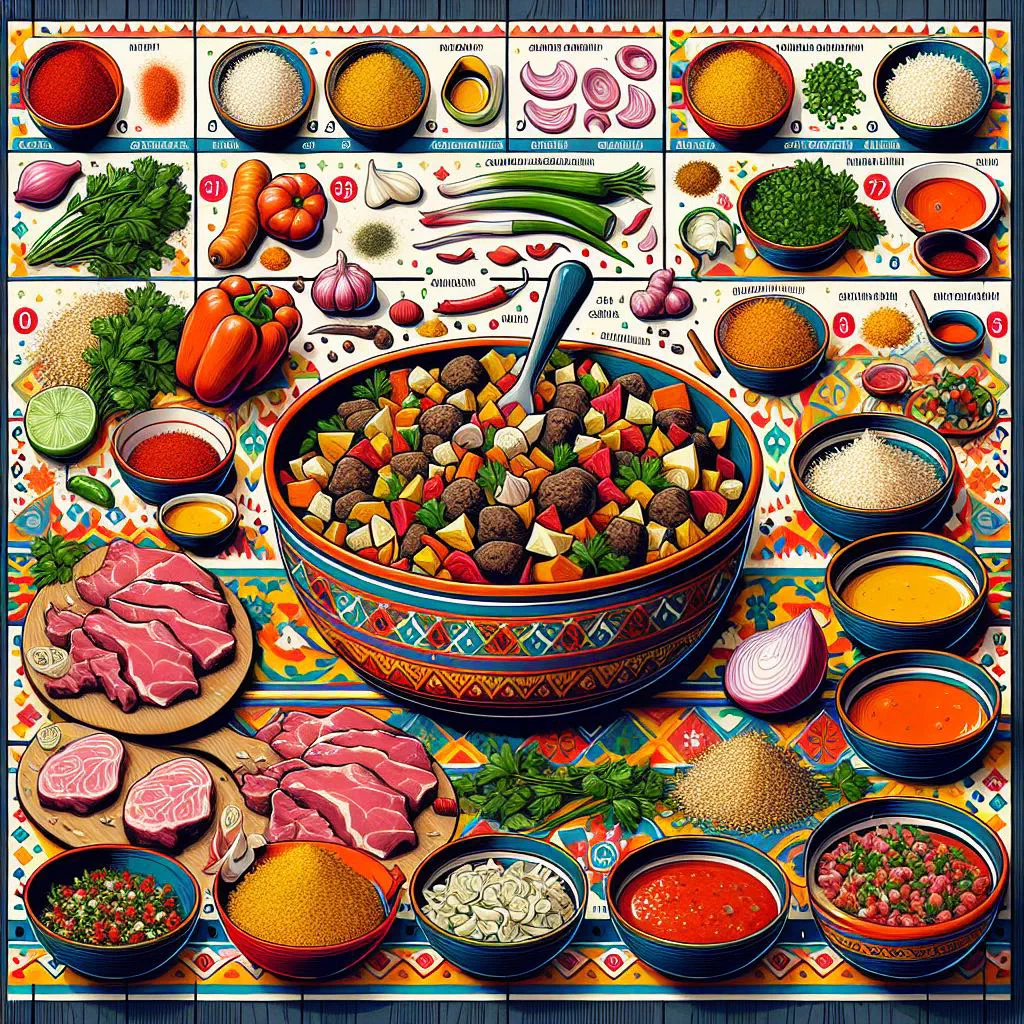
Discover Suqaar, one of Somalia’s most beloved everyday classics. Tender cubes of beef or lamb are seared quickly over a lively heat, then coaxed into a fragrant spice blend and finished with sweet peppers and carrots. It is the kind of dish that fills a kitchen with warmth in minutes and lands on the table as a genuine gesture of hospitality. Bring a taste of the Horn of Africa straight to your own hob.
About Suqaar
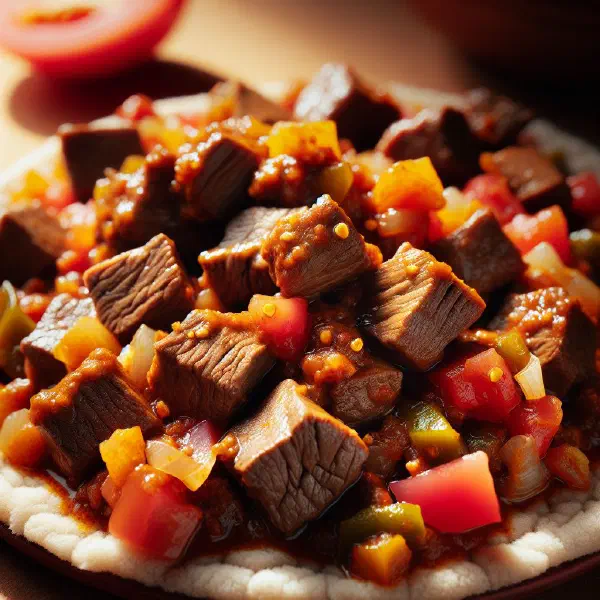
Suqaar is a traditional Somali dish made with beef or lamb, cut into small, even cubes so that everything cooks quickly and evenly. It is known above all for its aromatic spice mix, which plays a central role in Somali cooking and gives the dish its unmistakable character. The meat is usually enriched with fresh vegetables and served alongside rice or injera-style flatbread. Across Somalia, suqaar is regarded as a symbol of hospitality and turns up at family tables and celebrations alike.
Ingredients (serves 1–2)
- 400 g beef or lamb, diced
- 1 onion, diced
- 2 carrots, sliced
- 1 pepper, diced
- 3 garlic cloves, chopped
- 2 tablespoons olive oil
- 1 teaspoon cumin
- 1 teaspoon paprika
- Salt and pepper to taste
- Fresh coriander leaves, to garnish
Shopping for the ingredients
When shopping for suqaar, freshness and quality make all the difference. Visit a local market or a good butcher to find well-trimmed meat and crisp vegetables. The spices carry the whole dish, so buy them somewhere with a decent turnover and check that they still smell lively and fragrant rather than dusty. A glance at the origin of the meat is worth the moment it takes and usually points you to the better cut.
Preparing the dish
Preparing suqaar involves a few simple steps that let the flavours come through properly. Cut the meat and the vegetables into pieces of a similar size so that everything cooks at the same pace. Marinating the meat in the spices before it hits the pan deepens the flavour considerably and is well worth the extra half hour. Have every ingredient ready and within reach before you start cooking, because the dish moves quickly once the pan is hot.
Step-by-step instructions
- Heat the olive oil in a large frying pan.
- Add the diced onion and the chopped garlic and fry until golden brown.
- Add the meat and sear it until it is nicely browned on all sides.
- Stir in the carrots and pepper and let them soften briefly.
- Season with cumin, paprika, salt and pepper.
- Pour in a little water and let the dish simmer over a medium heat.
- Serve the suqaar hot, garnished with fresh coriander leaves.
Gluten-free / lactose-free version
Suqaar is naturally gluten-free and lactose-free, since none of the core ingredients contain either allergen. By sticking to fresh, unprocessed produce you can be confident the dish suits anyone with these intolerances. Do give the side dishes the same attention, though, choose plain rice or a certified gluten-free flatbread rather than standard wheat bread, and the whole plate stays safe.
Tips for vegans and vegetarians
For a vegan or vegetarian version of suqaar, swap the meat for crumbled tofu or a generous mix of vegetables. Adjust the spices a little as you go, since plant-based ingredients absorb them differently and often need a firmer hand. Pulses such as lentils or chickpeas make a nourishing and genuinely tasty alternative, much as they do in a Somali Lentil Stew. Just check that every product you use is free from animal ingredients.
More tips and tricks
A few small habits will lift your suqaar noticeably. Use fresh spices and herbs rather than jars that have been open for a year. They make the single biggest difference to the finished aroma. Letting the dish simmer gently gives the flavours time to settle and round out instead of staying sharp. And do taste before serving, so you can check the seasoning is balanced while there is still time to adjust it.
Adapting the recipe to your taste
Suqaar takes happily to personal preference and dietary needs. Add different vegetables or an extra source of protein to make the pan more substantial. Vary the spices to discover combinations that suit you better, a pinch of cinnamon or cardamom nods towards the xawaash blend used across Somali kitchens. If you like more heat, chilli or another hot spice will take the dish exactly where you want it.
Ingredient substitutions
There are plenty of ways to personalise suqaar. Instead of beef or lamb, try chicken, turkey or a mixture of mushrooms for something lighter. For a gluten-free side, quinoa works nicely in place of the usual rice, though a plate of Somali Spiced Rice remains the classic partner. Experimenting with different vegetables gives the dish a fresh dimension each time you make it.
Drink pairing ideas
When choosing drinks to go with suqaar, traditional Somali options are a natural place to start. A cooled Somali coffee or a glass of black tea makes a comforting companion, and a spiced Somali Tea suits the warm notes of the dish especially well. For something non-alcoholic and refreshing, a homemade fruit lemonade works beautifully. If you would rather serve wine, a light white stands up to the spices without overwhelming them.
Serving and presentation ideas
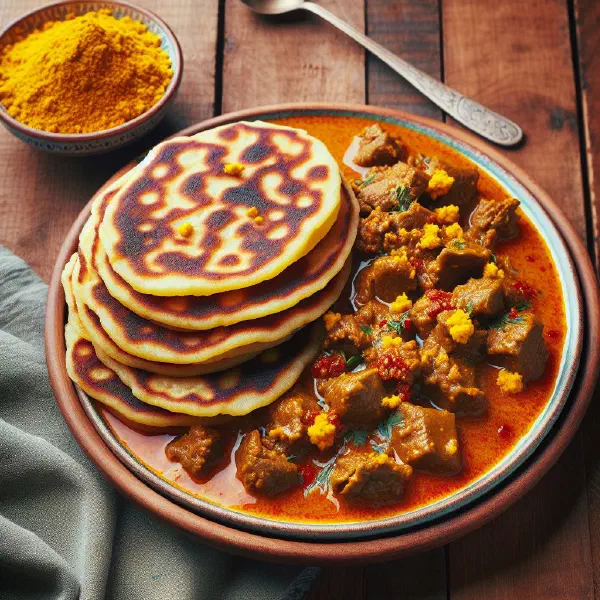
Presentation adds a great deal to the pleasure of eating suqaar. Serve it in an attractive bowl and garnish generously with fresh coriander leaves and lemon wedges for a splash of colour. If you are serving rice or a flatbread such as Canjeero, arrange it separately so each element keeps its own look. A tidy table setting and good crockery round off the whole experience.
A bit of history
The roots of suqaar run deep in Somali cooking, a tradition shaped by both African and Arabian influences. Historically the dish was often prepared for special occasions, when it drew families and friends around a shared table and encouraged the exchange of stories and traditions. That social role has never really faded. Suqaar is not simply a meal but part of Somali identity, and a fine introduction to Somali cuisine as a whole.
More recipe ideas
Summary: Suqaar
Suqaar is a flavourful and nourishing dish that captures the variety of Somali cooking in a single pan. It is straightforward to prepare and adapts easily to different dietary needs, which makes it as useful on a busy weeknight as at a celebration. It will win people over. Experience the warmth of Somali hospitality and the delicious aromas of this traditional favourite for yourself.