National Dish South Africa: Cape Malay Pickled Fish (Recipe)
In this article
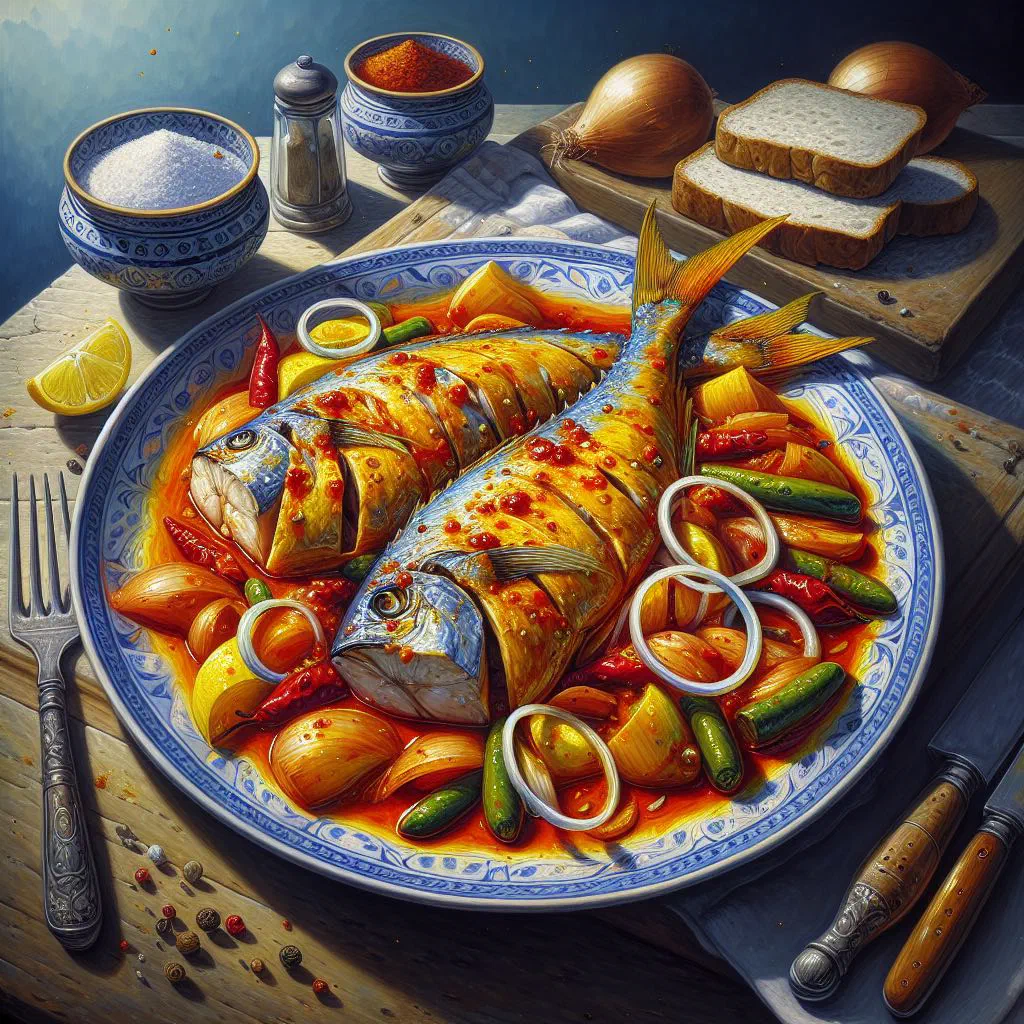
Discover Cape Malay Pickled Fish, one of South Africa’s most treasured dishes. Firm pieces of fresh fish are gently poached and then steeped in a fragrant, golden marinade of curry spices, vinegar and onions. Traditionally made ahead so the flavours have time to deepen, it is the sort of dish that tastes even better a day or two later. Bring a taste of the Cape’s rich culinary heritage straight to your own table.
About Cape Malay Pickled Fish
Cape Malay Pickled Fish is a distinctive dish that holds a special place in South African cooking. It stands out for its aromatic flavour and its unusual method of preparation. The combination of fresh fish with a delicious marinade of spices and vinegar gives the dish an unmistakable character. Ideal as a starter or a light main course, it is often served with soft bread rolls or rice.
Ingredients (serves 1–2)
- 400 g fresh fish (such as cod or mackerel)
- 1 onion, thinly sliced
- 2 cloves garlic, chopped
- 1 cup apple cider vinegar
- 1/2 cup water
- 3 tablespoons sugar
- 1 teaspoon turmeric
- 1 teaspoon coriander seeds
- 1 teaspoon black peppercorns
- 2 bay leaves
- Salt and pepper to taste
Shopping for the ingredients
When preparing Cape Malay pickled fish, it is important to use fresh ingredients. Ideally, visit a local fish market to be sure of the quality of the fish. Check that it looks fresh and smells pleasant. The remaining ingredients can be picked up at any well-stocked grocery shop, and the spices, from turmeric to coriander seeds, are usually easy to source.
Preparing the dish
To get the dish off to the best start, first gather all of your ingredients. Clean the fish and cut it into portion-sized pieces so it marinates evenly. Finely slice the onion and garlic to draw out a more intense aroma. The whole spices can also be lightly crushed in a mortar to release and heighten their flavour.
Step-by-step instructions
- In a large pan, combine the vinegar, water, sugar, turmeric, coriander seeds, peppercorns and bay leaves.
- Bring the mixture to the boil and simmer for 5 minutes to release the spices.
- Add the onions and garlic to the spiced liquid and simmer for a further 5 minutes.
- Add the prepared fish and cook for about 10 minutes, until just done.
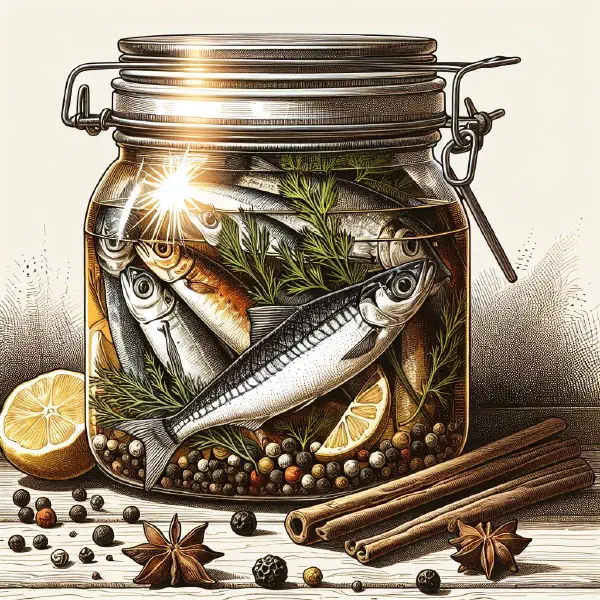
- Lift the fish out of the marinade and layer it into a jar or bowl.
- Pour the cooked marinade over the fish and leave it to cool.
- Chill for at least 24 hours before serving so the flavours can develop.
Gluten-free / lactose-free version
Cape Malay pickled fish is naturally gluten-free and lactose-free, which makes it an excellent choice for anyone with those intolerances. Just take care that the ingredients you use contain no additives that introduce gluten or lactose. That way you can be confident you are enjoying a dish that suits your dietary needs.
Tips for vegans and vegetarians
For vegans and vegetarians there are wonderful alternatives to fish that capture a similar eating experience. Swap the fish for firmer vegetables such as courgette or aubergine, which marinate beautifully. Tofu or tempeh is another appealing option and soaks up the spiced marinade well. Experiment with the spices to reach the flavour profile you are after.
More tips and tricks
To get the most out of your Cape Malay pickled fish, ideally let it steep in the fridge for several days. This gives the aromas time to develop fully. You can also vary the thickness of the fish pieces to adjust the cooking time to your liking. A little willingness to experiment will help you perfect the dish to your own taste.
Adapting the recipe to your taste
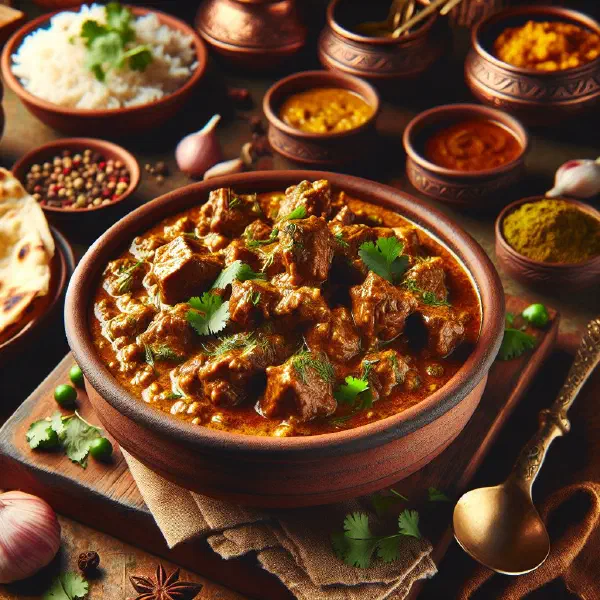
The beauty of this recipe is how easily it adapts to personal preference. Add more spice if you like it bolder, or reach for a different type of vinegar for an interesting twist. The accompaniments can vary too, serve the dish with fresh bread or a crisp salad, depending on your mood. A version rooted in the same Cape Malay tradition is the fragrant Cape Malay Curry.
Ingredient substitutions
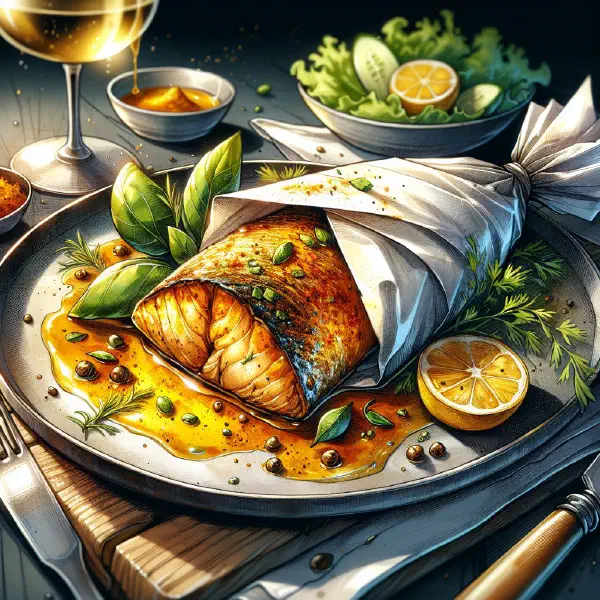
If you do not have particular ingredients to hand, alternatives can step in without spoiling the flavour of the dish. Apple cider vinegar can be replaced with white wine vinegar, for instance, or you can use honey in place of sugar. Experiment with different types of fish to create unique results, a firm fillet also shines in Curried Fish Parcels.
Drink pairing ideas
Refreshing drinks pair especially well with Cape Malay pickled fish. A dry white wine, such as a Sauvignon Blanc, harmonises wonderfully with the flavours of the fish. If you prefer something alcohol-free, a cool mint tea or a fruity smoothie works nicely.
Serving and presentation ideas
Presentation plays an important part in serving food. Arrange the pickled fish on a colourful plate, garnished with fresh herbs such as coriander or parsley. A few lemon slices on the side add not only colour but a final lift of flavour. Thoughtful plating can elevate the whole dining experience.
A bit of history
The roots of Cape Malay pickled fish reach back into the multicultural history of South Africa. Malay immigrants brought this method of preparation with them and turned it into a much-loved dish in the Cape region. Its typical ingredients are spices that thrive locally, while the technique of pickling served as an excellent way to preserve food. The dish speaks not only of culinary variety but of a rich cultural heritage, and remains a proud emblem of South African cuisine.
More recipe ideas
Summary: Cape Malay Pickled Fish
Cape Malay pickled fish is a delicious, aromatic dish that impresses with its fresh ingredients and a well-balanced blend of spices. It offers a memorable eating experience. With a few simple adjustments, anyone can add their own signature and shape the recipe to their preferences. Dive into the flavours of South African cooking and enjoy a touch of culture on your plate.