National Dish South Africa: Cape Malay Pickled Onions (Recipe)
In this article
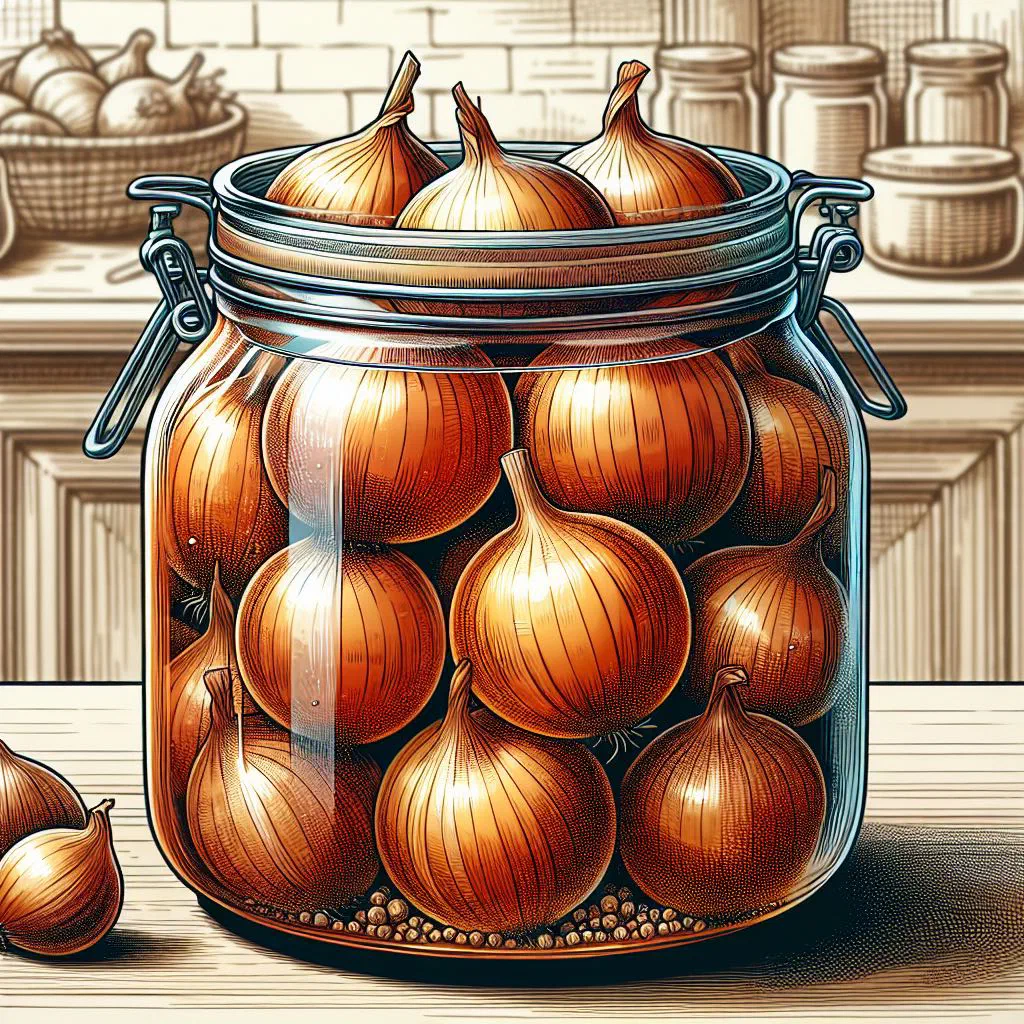
Bright, tangy and wonderfully aromatic, Cape Malay Pickled Onions are a small jar of sunshine from South Africa’s kitchens. Sweet-sour onions steep in a spiced vinegar brine perfumed with mustard seeds, coriander and paprika, capturing the meeting of Malay, Indian and European flavours that defines this cooking. They add a lively kick to a sandwich, a curry or a cold-meat platter, and they could hardly be easier to make at home.
About Cape Malay Pickled Onions
Cape Malay Pickled Onions are more than a flavourful highlight of South African cooking; they are a small piece of its cultural identity. The dish draws together the influences of Malay, Indian and European kitchens to create a truly distinctive taste. These pickled vegetables are typical of the Cape Malay tradition, their colourful onions and fragrant spices practically bursting with life. Every forkful offers not just enjoyment but a little journey through the culinary history of South Africa.
Ingredients (serves 1–2)
- 2 large onions
- 200 ml vinegar (white wine vinegar works well)
- 100 g sugar
- 1 teaspoon mustard seeds
- 1 teaspoon coriander seeds
- 1 teaspoon paprika
- 1 teaspoon salt
- Optional: fresh chilli for heat
Shopping for the ingredients
The ingredients for Cape Malay pickled onions are easy to find in most supermarkets and Asian grocery shops. Choose good-quality onions, ideally in season, to get the very best flavour. The vinegar should have a pleasant, well-rounded acidity, so it is worth trying a few varieties to see which you prefer. Spices such as mustard seeds and coriander seeds can also be bought from a dedicated spice shop or ordered online.
Preparing the dish
Before you start making the pickled onions, it helps to have everything to hand. Washing and peeling the onions should be your first step. Slice the onions into thin rings so they steep evenly in the brine. Prepare the jars you will use as well. They should be clean and sterilised to ensure the onions keep for a good long time.
Step-by-step instructions
- Slice the onions into thin rings and place them in a large bowl.
- In a saucepan, gently heat the vinegar, sugar, mustard seeds, coriander seeds, paprika and salt together until the sugar has dissolved.
- Pour the hot liquid over the sliced onions and mix well.
- Spoon the mixture into a sterilised jar and seal tightly.
- Before serving, let the onions steep in the fridge for at least 24 hours.
Gluten-free / lactose-free version
Cape Malay Pickled Onions are naturally gluten-free and lactose-free, as they contain no such ingredients. That makes them a perfect choice for anyone with intolerances. Pair the onions with gluten-free sides and you have a wholesome, satisfying meal. As always, check the labels of any shop-bought products to be sure.
Tips for vegans and vegetarians
This dish is already vegan, which makes it ideal for a plant-based kitchen. When serving, combine the pickled onions with other plant-based accompaniments to build a fuller balance of flavours. You can also scatter the onions through salads or tuck them into sandwiches as an aromatic accent. That way the pickled onions slip effortlessly into all sorts of dishes without any compromise.
More tips and tricks
To deepen the flavour of your Cape Malay Pickled Onions even further, consider adding fresh herbs such as parsley or coriander. Experimenting with different types of vinegar can also bring out a whole new character. The onions can even be marinated with a splash of your favourite sauce to give the flavours an extra lift. The key is patience: the longer the onions steep, the more aromatic they become.
Adapting the recipe to your taste
The recipe for these pickled onions is easily adjusted to suit your own palate. If you like things hotter, add fresh or dried chilli. For a fruitier note, stir in a little fruit juice such as apple or pineapple. Tweaks like these open up new flavour directions and make the dish even more versatile. Play around with the ingredients to create your own personal favourite.
Ingredient substitutions
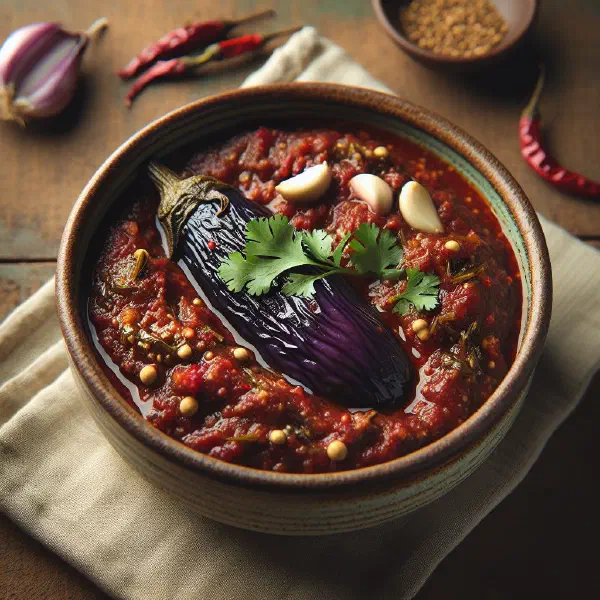
If you have no mustard seeds to hand, swap them for nigella seeds or fennel seeds to achieve a different flavour. Using cider vinegar or balsamic in place of white wine vinegar can also yield interesting results, the same spirit of adaptability that shines in a Spiced Brinjal Chutney. Stay flexible with your choices, as this only adds to the recipe’s versatility. This dish invites you to experiment with different tastes without losing the essential character of the pickle.
Drink pairing ideas
Cape Malay Pickled Onions go beautifully with non-alcoholic drinks such as freshly squeezed lemon juice or a homemade ginger tea. They also pair well with white wines that carry a delicate fruitiness, such as Sauvignon Blanc or Riesling. A light lager can support the flavours nicely too, complementing the onions to a tee. Just choose drinks that let the intensity of the onions shine rather than mask it.
Serving and presentation ideas
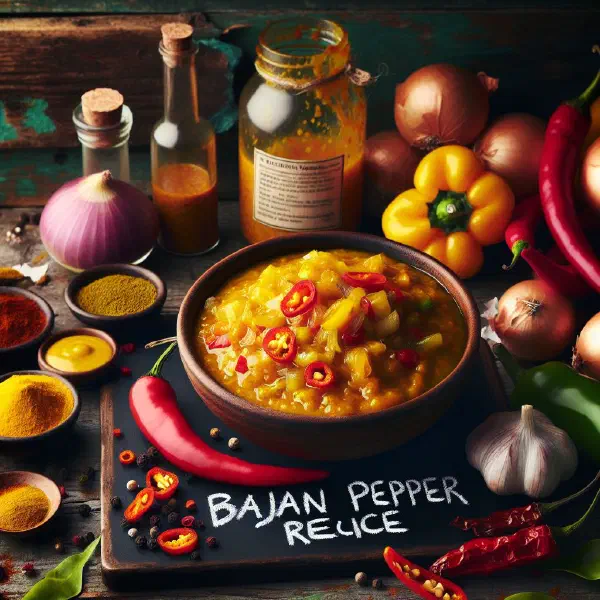
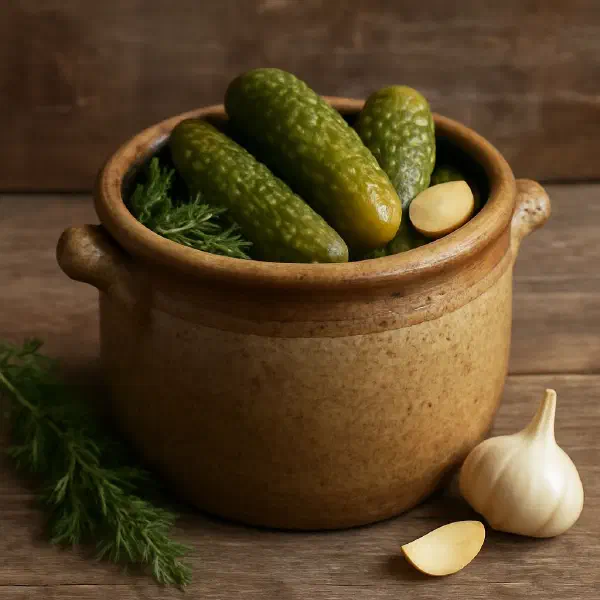
Presentation can make all the difference to enjoying these pickled onions. Serve them in an attractive glass jar to show off their glowing colours. Try arranging the onions on a plate alongside other sides and a mix of vegetables, much as you might with a bowl of Chakalaka. A pretty garnish of fresh herbs or edible flowers can make the dish look even more inviting and underline the aromas.
A bit of history
The story of Cape Malay Pickled Onions is deeply rooted in South Africa’s culinary tradition, shaped by the many cultures that have come together in the country. Cape Malay cooking grew out of the arrival of Muslim communities from Southeast Asia, who brought their spices and cooking methods with them. Pickling vegetables was a way to extend their shelf life and intensify their flavour. That tradition remains alive in many South African households to this day, and it is a proud part of South African cuisine.
More recipe ideas
Summary: Cape Malay Pickled Onions
Cape Malay Pickled Onions are an exciting example of the variety and depth of South African cooking. With their sweet-sour tang and aromatic spice, they bring a little slice of culture to the table. Simple to prepare, they make a superb accompaniment to countless dishes, or a moreish snack all on their own. Give the recipe a try to enrich your meals and taste the authentic flavour of South Africa.