National Dish South Africa: Chakalaka (Recipe)
In this article
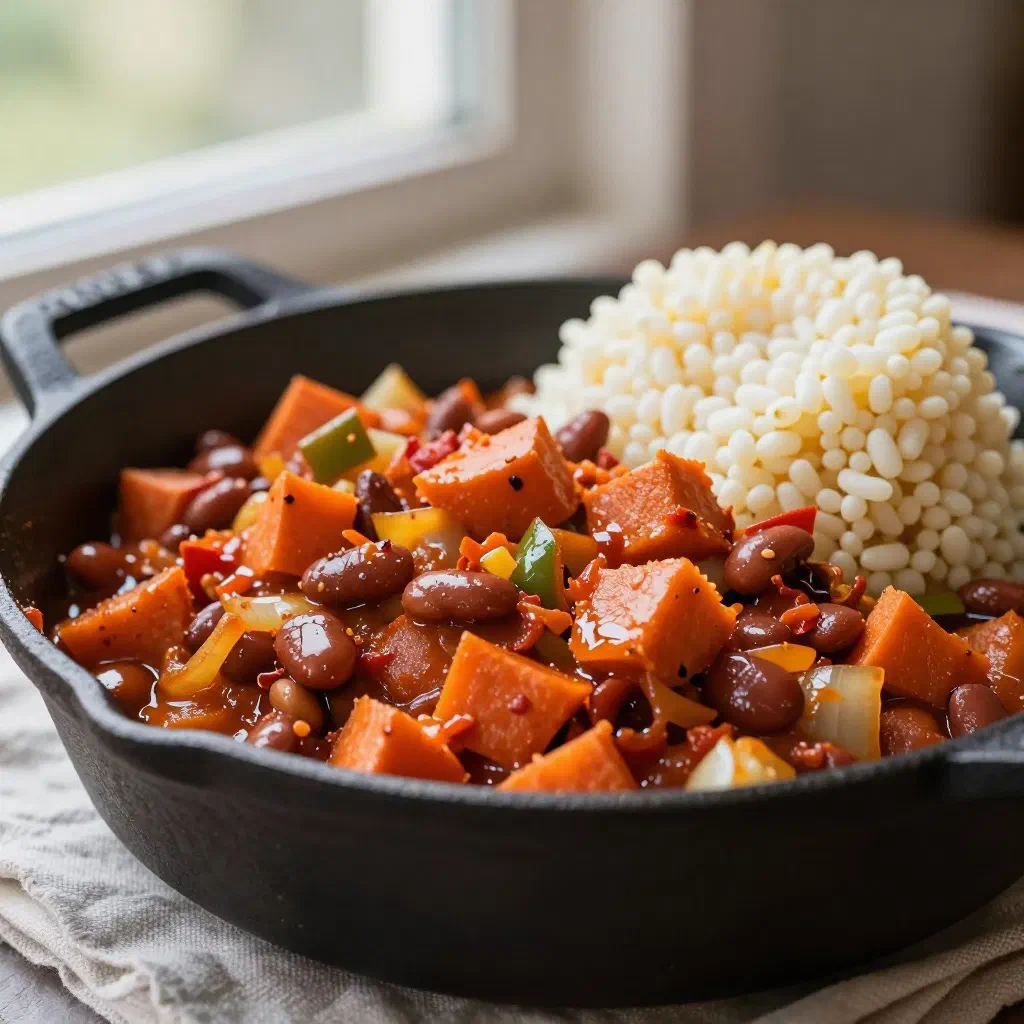
Discover Chakalaka, one of South Africa’s brightest and versatile dishes. This spicy vegetable relish is as colourful as it is full of flavour, born on the sidelines of the barbecue and now a firm favourite in its own right. Warmed through with curry powder and a gentle kick of chilli, it brings together onions, peppers and hearty beans into something wonderfully satisfying. Bring a splash of South African sunshine to your table and let those bold, bright aromas do the talking.
About Chakalaka
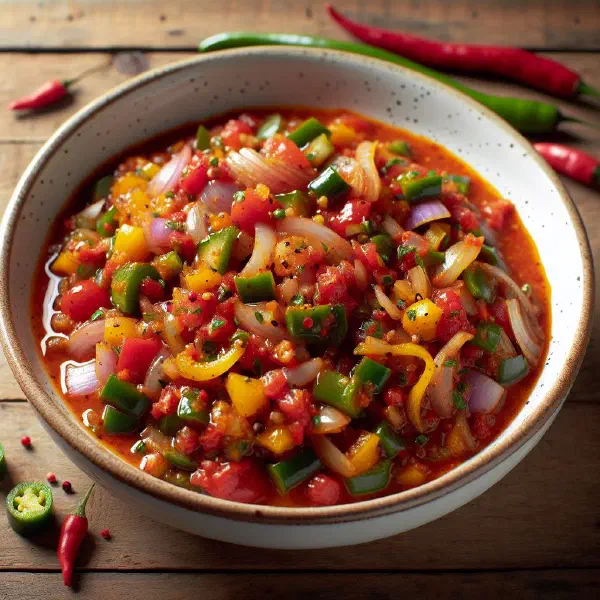
Chakalaka is a traditional, spicy vegetable dish from South Africa that is colourful and full of flavour. Originally served as a side to grilled dishes such as a braai, it has since grown into a much-loved meal in its own right. The dish brings together an assortment of vegetables, spices and sometimes beans, making it both delicious and genuinely nourishing. The sheer versatility of chakalaka also means it is easy to adapt to personal taste and to whatever seasonal produce you have to hand.
Ingredients (serves 1–2)
- 1 onion, diced
- 1 carrot, grated
- 1 pepper, diced
- 2 tomatoes, diced, or 200g tinned tomatoes
- 1–2 cloves of garlic, chopped
- 1–2 green chillies, deseeded and chopped (optional)
- 1 tin of beans (e.g. kidney beans or black beans)
- 2 tablespoons oil
- 1 teaspoon curry powder
- Salt and pepper to taste
Shopping for the ingredients
When gathering the ingredients for chakalaka, you will find plenty of choice in most supermarkets. Fresh vegetables such as onions, carrots and peppers are usually available in abundance and offer the best quality. Tinned tomatoes and beans are just as easy to track down and can make the preparation considerably quicker. Do take care to use fresh spices and herbs so the dish develops its full depth of flavour.
Preparing the dish
Preparing chakalaka is simple and does not take much time at all. Begin by washing the vegetables thoroughly and cutting or grating them according to the ingredients list. Chopping onions and garlic can be a challenge for many, so it helps to use either an onion chopper or a good sharp knife to make light work of the task. You can also adjust the heat of the dish by varying the number of green chillies you add.
Step-by-step instructions
- Heat the oil in a pan and sauté the onion and garlic until soft and golden brown.
- Add the carrot and pepper and mix everything together well. Fry for a few minutes until the vegetables begin to soften.
- Stir in the tomatoes and the beans until everything is well combined.
- Add the curry powder and season with salt and pepper. Let it all simmer gently over low heat for around 10 minutes.
Gluten-free / lactose-free version
Chakalaka is naturally a gluten-free and lactose-free dish, since the main ingredients are simply vegetables and spices. There is no need to reach for special alternatives, as long as you make sure the tinned tomatoes and beans do not contain any gluten-based ingredients. This means both those with a lactose intolerance and those with a gluten intolerance can enjoy this tasty dish. It is also worth looking at gluten-free sides that pair well with chakalaka.
Tips for vegans and vegetarians
For vegans and vegetarians, chakalaka is an excellent choice, as it contains nothing but plant-based ingredients. Just take care that the tinned beans and tomatoes you use do not include any animal-derived components. To boost the nutritional value, you can add further vegetables such as courgette or spinach. A scattering of nuts or seeds also lends extra crunch and flavour.
More tips and tricks
To intensify the aroma of chakalaka even further, you can experiment with different spices, such as cumin or coriander. Some people add a squeeze of lemon juice or a hint of sugar to balance out the flavours. Play around with the cooking times to achieve the vegetable textures you prefer. Slower cooking gives the dish a deeper, more rounded note.
Adapting the recipe to your taste
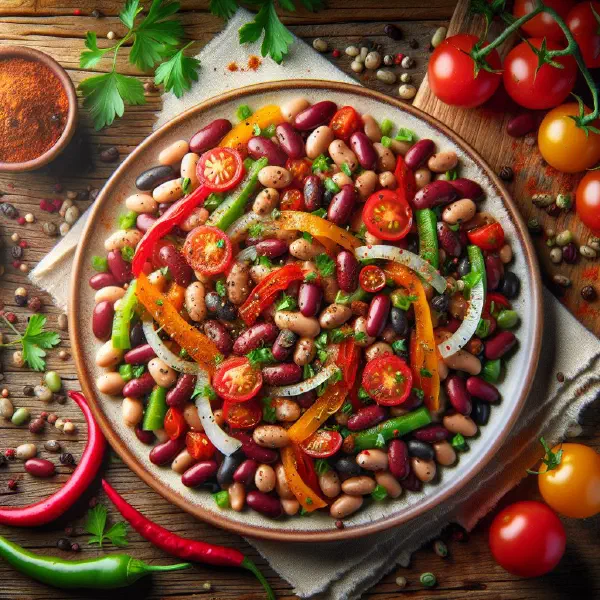
Chakalaka is highly adaptable, so you can easily shape the recipe around your own preferences. Feel free to fold in seasonal vegetables or your favourite spices. If you would like more protein, you can also add cooked chickpeas or lentils. Tweaks like these make the dish tasty and filling and nourishing, much like a hearty Spiced Bean Salad.
Ingredient substitutions
If you do not have certain ingredients to hand, there are plenty of alternatives. Instead of fresh tomatoes you can use passata, and rather than fresh beans, tinned varieties are extremely convenient. The vegetables themselves are flexible too, so aubergine or broccoli, for example, can easily be used. These variations can shift the flavour profile and open up new culinary experiences.
Drink pairing ideas
A range of drinks pairs beautifully with chakalaka. A refreshing beer is a popular choice, particularly at a braai. For those who prefer something alcohol-free, sparkling water with a squeeze of lemon or lime works very well. Fruity lemonade or homemade iced teas can also make lovely companions that round off the flavour palette.
Serving and presentation ideas
An appealing presentation of chakalaka can noticeably heighten the enjoyment of the dish. Serve it in a colourful bowl that shows off the bright hues of the vegetables. A fresh dressing of olive oil and lemon juice can be drizzled over the top before you bring it to the table. Garnish with fresh herbs such as coriander or parsley to make the dish look even more inviting.
A bit of history
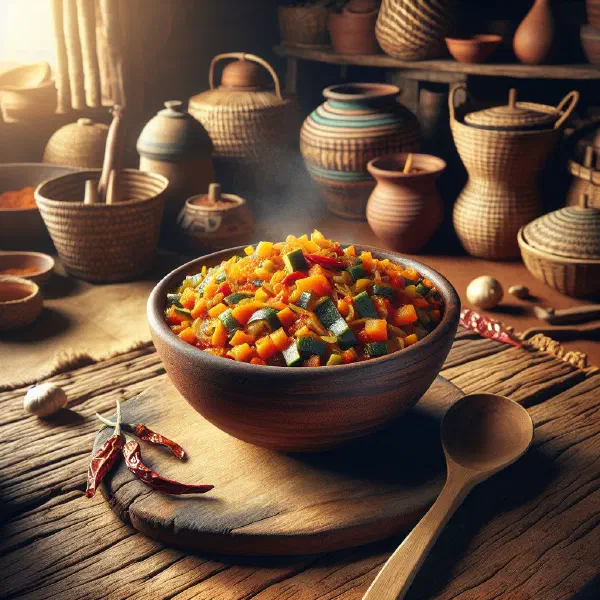
Chakalaka has its origins in South African cooking and is often linked to the history of rural communities and their culinary traditions. The dish first arose as a kind of “use-it-up” creation, combining various vegetables and spices to make a tasty side. In recent decades chakalaka has spread well beyond South Africa’s borders and now enjoys great popularity all over the world. It is frequently served at celebrations and braai gatherings and is a symbol of the rich and varied culture of South Africa, a proud staple of South African cuisine.
More recipe ideas
Summary: Chakalaka
All in all, chakalaka is a wonderful example of South African cooking, pleasing the senses with its versatility and its lively flavours. It can be adapted with ease to suit personal preference and makes an excellent choice both as a side and as a main dish. With fresh ingredients and creative variations, this dish lends itself beautifully to your own personal touch. Savour the taste of South Africa and invite family and friends round for a delicious braai with chakalaka.