National Dish South Africa: Seafood Potjie (Recipe)
In this article
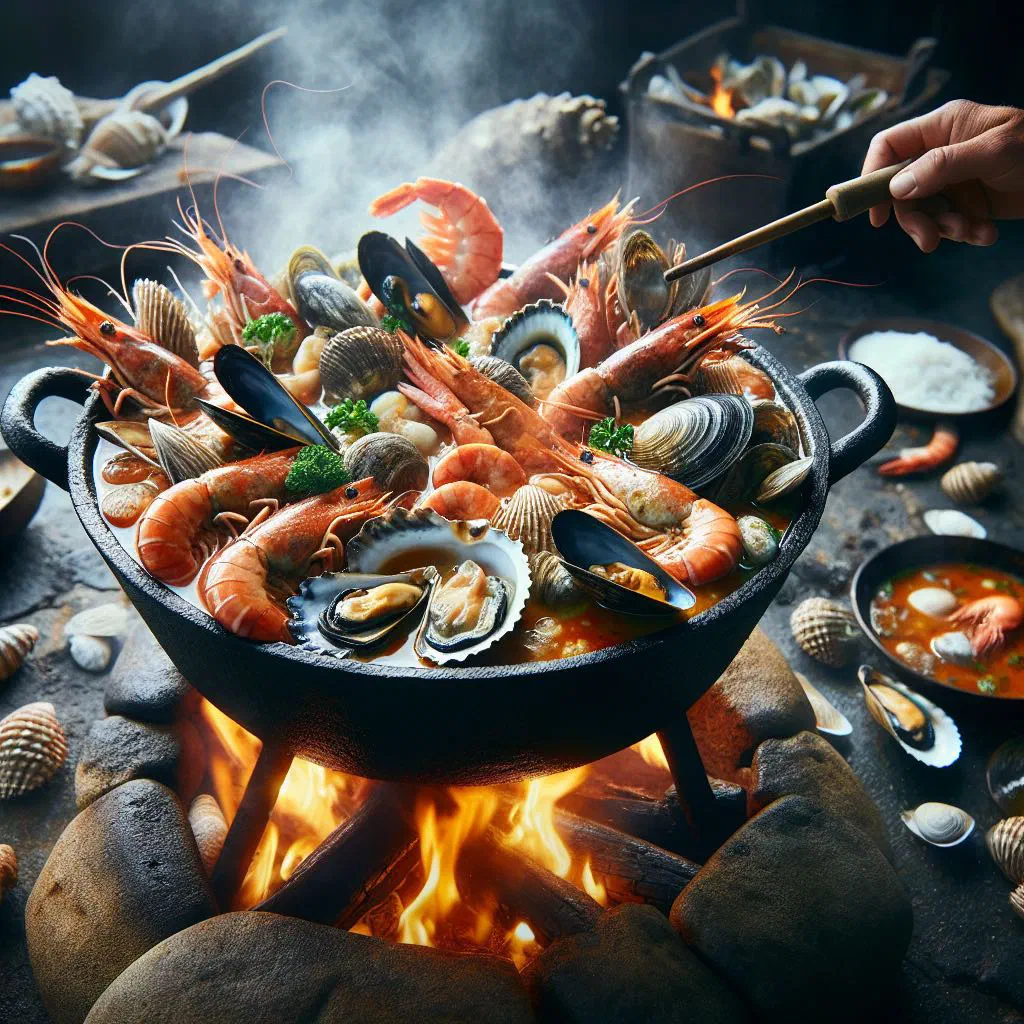
Say hello to Seafood Potjie, a soulful stew straight from South Africa’s sun-drenched coastline. Slow-cooked in a traditional cast-iron pot over gentle heat, it brings together plump prawns, mussels and squid with sweet peppers, carrots and fragrant thyme. More than just a meal, a potjie is a gathering, the sort of unhurried, share-the-pot cooking that draws family and friends together around the fire. Bring a taste of the Cape shore to your own kitchen.
About Seafood Potjie
The dish Seafood Potjie is a true delicacy from the picturesque coastal regions of South Africa. It is a traditional stew cooked in a heavy cast-iron pot, known in Afrikaans as a potjie. Preparing it is not only a culinary treat but a social occasion in its own right, one that brings family and friends together. With fresh seafood, colourful vegetables and a generous hand of spices, every potjie turns into a memorable feast for the senses.
Ingredients (serves 1–2)
- 200 g mixed seafood (prawns, mussels, squid)
- 1 onion, finely chopped
- 2 cloves garlic, chopped
- 1 red pepper, diced
- 2 carrots, sliced
- 500 ml fish stock or vegetable stock
- 2–3 sprigs fresh thyme
- 1 tsp paprika
- Salt and pepper, to taste
- Olive oil, for frying
Shopping for the ingredients
When shopping for the Seafood Potjie, do your best to choose the freshest seafood you can find. Many supermarkets stock good-quality local produce, but a proper fishmonger or fish market is often the place to land the best of the day’s catch. Look for peppers and carrots that are crisp and vividly coloured, so their flavours shine through in the finished pot. The same care that goes into a coastal favourite like Peri Peri Prawns pays off here too.
Preparing the dish
Preparation for the Seafood Potjie begins with chopping and slicing your ingredients. Start by finely chopping the onion and garlic so they soften and turn aromatic together as they fry. Next, cut the pepper and carrots into small, even pieces. Getting your mise en place ready in advance makes the cooking easier and more efficient, as everything is close to hand when the pot goes on.
Step-by-step instructions
- Heat a little olive oil in a cast-iron potjie over medium heat.
- Add the onion and garlic and sauté until golden.
- Add the pepper and carrots and fry for a further 5 minutes.
- Add the seafood and fry briefly, just until lightly coloured.
- Pour in the fish or vegetable stock and season with thyme, paprika, salt and pepper.
- Cover the pot and let the dish simmer gently over low heat for about 30–40 minutes.
- Stir occasionally and keep an eye on how the seafood is cooking.
- Serve hot, with fresh bread or rice if you like.
Gluten-free / lactose-free version
The Seafood Potjie is naturally gluten-free and lactose-free, as long as you choose your stock with care. Many breads and side dishes contain gluten, so it is worth reaching for a dedicated gluten-free alternative to serve alongside. When buying stock, check the label for any additives that might contain lactose.
Tips for vegans and vegetarians
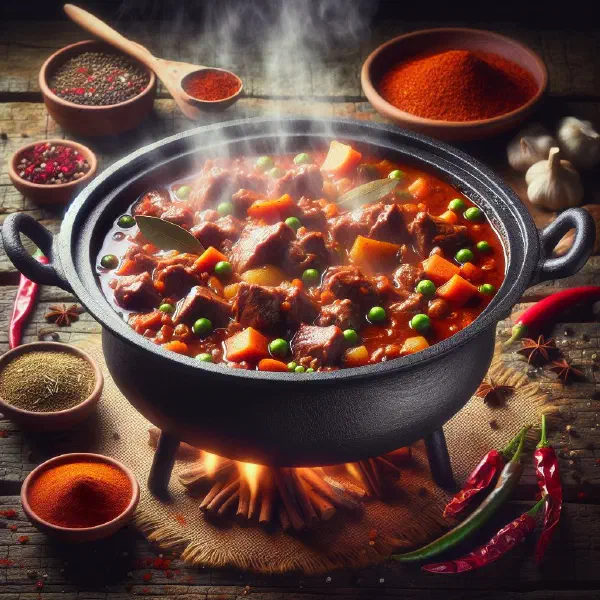
For anyone who eats vegan or vegetarian, the recipe for the Seafood Potjie is easily adapted. In place of the seafood, use a mix of vegetables, tofu or plant-based proteins. These bring plenty of flavour to the pot without any animal products at all. Experiment with spices and herbs to build a rich, rounded taste, much as you would with a hearty Potjiekos.
More tips and tricks
To make the Seafood Potjie even more delicious, play around with different spice combinations. A pinch of chilli or a squeeze of lemon juice can lend the dish a special note. Slow simmering is also key, giving the flavours time to mingle and deepen. And don’t be shy about adding extra ingredients, such as red lentils, to enrich the pot even further.
Adapting the recipe to your taste
The beauty of this Seafood Potjie lies in its versatility. Anyone can adjust it to their own liking by adding more or fewer vegetables. The amount of seafood can vary to taste too. You might also consider stirring in extra fats, such as coconut oil, to take the dish in a completely different flavour direction.
Ingredient substitutions
If you don’t have certain ingredients for the Seafood Potjie to hand, there are always tasty alternatives. Frozen seafood, for example, can be a practical option when fresh is not available. Instead of fish stock, you can use vegetable stock or a homemade broth for a milder base. Feel free to swap the vegetables around too, using whatever is in season or already sitting in the fridge.
Drink pairing ideas
A range of drinks pairs beautifully with a good Seafood Potjie. A crisp white wine, a Sauvignon Blanc, say, rounds off the flavours of the dish perfectly. Alternatively, a light beer or a soft drink makes a fine match for the seafood. For an alcohol-free option, refreshing sparkling water with a slice of lemon is ideal.
Serving and presentation ideas
Presentation matters when it comes to a culinary experience, and the Seafood Potjie is no exception. Serve the dish straight from the cast-iron pot to play up its rustic charm. A garnish of fresh herbs or a squeeze of lemon over the top finishes the picture nicely. Set out a selection of fresh bread, such as warm Roosterkoek, to round out the whole experience.
A bit of history
The Seafood Potjie has its roots in South African tradition, where cooking in a pot over an open fire goes back a long way. Shaped originally by both African and European settlers, the dish has become a symbol of hospitality and community. In many cultures, eating together outdoors is an occasion that strengthens bonds of friendship and family. To this day the potjie remains a much-loved part of South African cuisine, often prepared at celebrations and braai evenings.
More recipe ideas
Summary: Seafood Potjie
The Seafood Potjie is an experience, one that carries the flavours of South Africa’s coast into your own home. With careful preparation and fresh ingredients, you give any feast that certain something. Whether shared with family or friends, both the making and the eating of this dish are a joy for all the senses. Let this classic inspire you and bring a little piece of the South African coastline to your kitchen.