National Dish South Africa: Traditional Curry and Rice (Recipe)
In this article
Discover Traditional Curry and Rice, a dish that captures the wonderfully layered flavours of South Africa. Bringing together the country’s rich Indian influences and local produce, it strikes a beautiful balance between warming spice and comforting simplicity. This curry has something for every palate, and it is a perfect way to broaden your cooking repertoire.
About Traditional Curry and Rice
Traditional curry from South Africa is a genuine celebration of aromas and spices. The dish combines diverse Indian influences with locally grown ingredients, creating a harmonious balance on the plate. Milder notes, this curry variation offers something for everyone. If you are looking for a way to expand your culinary horizons, this dish is an absolute winner, hearty, versatile and endlessly satisfying to make at home.
Ingredients (serves 1–2)
- 200 g chicken breast or vegetables (your choice)
- 1 onion, diced
- 2 cloves garlic, chopped
- 1 piece of ginger, grated
- 2 tablespoons curry powder
- 400 ml coconut milk
- 1 tin chopped tomatoes
- 2 tablespoons oil (such as rapeseed or olive oil)
- Salt and pepper to taste
- Fresh coriander, to garnish
- Rice, to serve
Shopping for the ingredients
When shopping for the ingredients for your traditional curry, aim to choose fresh, good-quality produce. Many of the essentials, fresh vegetables, coconut milk and spices, can be found in most supermarkets or at a weekly market. More specialist items such as curry powder or fresh coriander are often available in Asian and African grocery shops too. If you enjoy supporting local suppliers, this is a lovely opportunity to seek out regional, organic produce.
Preparing the dish
Preparation is key to bringing out the best in this curry. Begin by cutting the vegetables or meat into even pieces so they cook through at the same rate. You can start stamping your own personality on the dish at this stage by adding extra spices such as cayenne pepper or cumin. Make sure everything is within easy reach so you never have to break off mid-cook, a well-organised worktop makes all the difference.
Step-by-step instructions
- Heat the oil in a pan and sauté the onion until translucent.
- Add the garlic and ginger and cook briefly until fragrant.
- Add your chosen meat or vegetables and fry until cooked through.
- Stir in the curry powder, mixing well to coat all the ingredients.
- Pour in the coconut milk and chopped tomatoes and bring to the boil.
- Reduce the heat and let the curry simmer for around 15–20 minutes.
- Season with salt and pepper and garnish with fresh coriander.
- Serve the curry hot alongside a helping of freshly cooked rice.
Gluten-free / lactose-free version
This traditional curry is naturally gluten-free and lactose-free, provided you use the right ingredients. Coconut milk and curry powder are generally free of gluten-containing components. When buying, look for products clearly labelled gluten-free, especially spice blends and processed foods.
Tips for vegans and vegetarians
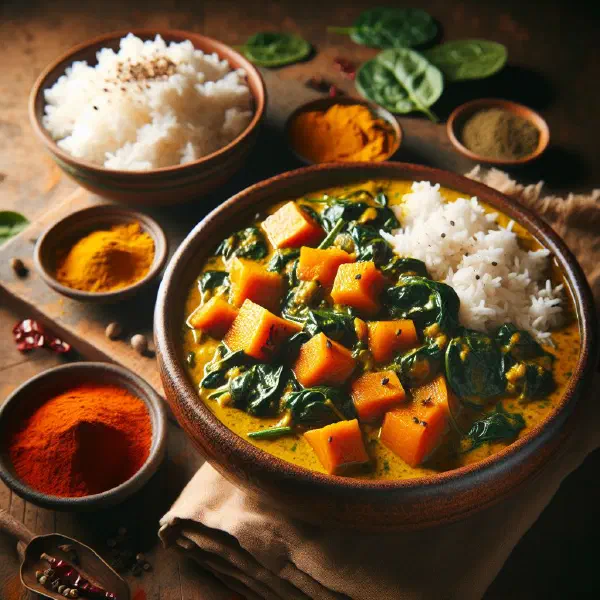
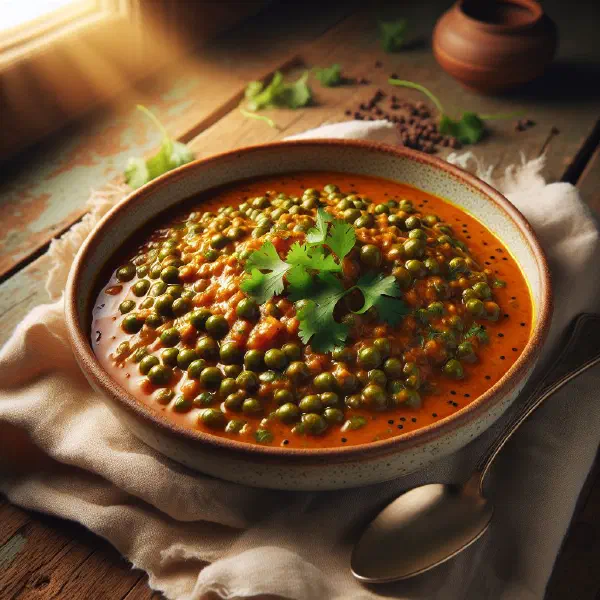
If you follow a vegan or vegetarian diet, adapting this recipe could not be simpler. Just swap the meat for vegetables such as courgette, peppers or chickpeas. These alternatives not only add flavour but are also wonderfully nourishing. You might also use vegetable stock in place of some of the coconut milk for a delicious, fully plant-based base. The dish stays every bit as tasty while fitting your dietary preferences, much like a hearty Coconut Curry Lentils.
More tips and tricks
To deepen the flavour of your traditional curry, try adding aromatics such as cinnamon sticks or bay leaves while it cooks. These lend the dish an extra layer of depth. Another handy tip is to let the curry rest in the fridge for a few hours, or even overnight, before serving; this intensifies the aromas further still. Experiment with your own spice blend to personalise the dish and reflect your tastes.
Adapting the recipe to your taste
The beauty of this traditional curry lies in how easily you can shape it around your own preferences. Like it hotter? Add more chilli flakes or a fresh chilli. For a fruitier note, stir in some pineapple or mango. When it comes to the vegetables, there are no limits to your creativity. Create a dish that is delicious and a personal signature of your cooking.
Ingredient substitutions
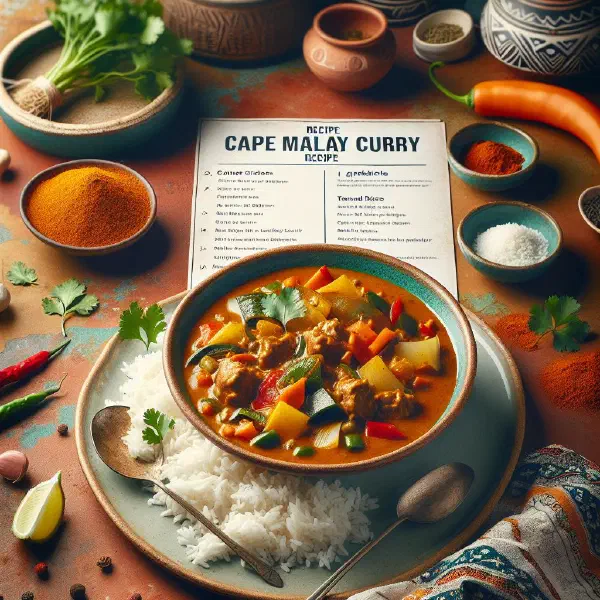
Depending on what you have to hand or on regional availability, you can swap several of the main ingredients for alternatives. Instead of coconut milk, for example, you could use soya or almond milk to keep the dish vegan-friendly. With spices, fresh herbs in place of dried ones give the curry a bright, lively flavour. Be creative and explore different combinations to create unique tastes, the same spirit that shapes a good Cape Malay Curry.
Drink pairing ideas
A hearty curry pairs beautifully with a light, refreshing drink. A chilled craft beer or a crisp rosé can complement the flavours of the dish perfectly. If you would rather stay alcohol-free, try a zingy ginger beer or a minty lemonade. These drinks offer both an excellent refreshment and a harmonious balance to the curry’s rich spices.
Serving and presentation ideas
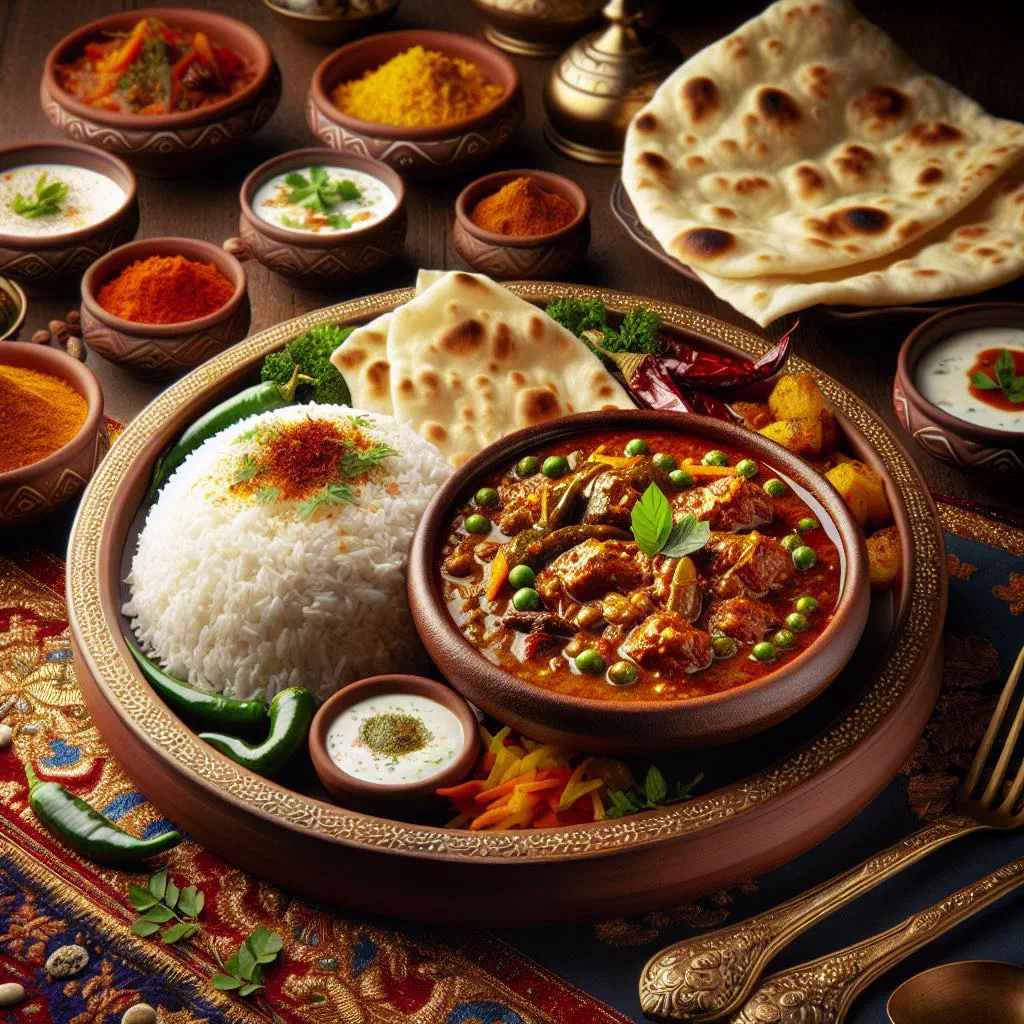
When it comes to presenting your curry, there are no limits to your creativity. Serve it in an attractive bowl and garnish with fresh coriander or a wedge of lime. Adding bright vegetables such as peppers can be visually striking and makes the colours of the dish sing. A pretty table setting completes the picture, turning the meal into a real centrepiece. A bright Chakalaka on the side adds even more colour.
A bit of history
The story of traditional curry reaches back to its Indian roots and was carried forward by South Africa’s many cultures. Trade routes and a colonial past helped a unique blend of flavours take shape over time. South Africa is known for its multicultural influence, reflected in the countless variations of its curry dishes. This versatile dish is a treat for the palate and tells a story of cultural exchange and culinary tradition, a hallmark of South African cuisine.
More recipe ideas
Summary: Traditional Curry and Rice
In short, traditional curry and rice is a delicious dish and a reflection of the many cultural influences that shape South Africa. It is straightforward to prepare and promises a taste experience that leaves you wanting more. Let the variety of ingredients and aromas inspire you and create your very own version. Dive into the world of South African cooking and enjoy this explosion of flavour.