National Dish South Africa: Waterblommetjie Stew (Recipe)
In this article
Meet Waterblommetjiebredie, a soul-warming stew that captures the heart of Cape winter cooking. This slow-simmered classic marries tender lamb with the delicate, artichoke-like buds of the Cape pondweed known as waterblommetjies. Rich, savoury and rooted in generations of farmhouse tradition, it is the kind of dish that fills the kitchen with comforting aromas on a cold day. Bring a taste of the South African countryside straight to your own table.
About Waterblommetjie Stew
Waterblommetjiebredie is a traditional South African dish that has won over food lovers across the country. Its signature ingredient, the waterblommetjies, are water-loving plants that flourish in the rivers and dams of the Cape. The stew is most often cooked in the winter months and is prized for its hearty, savoury flavours that suit the cold days perfectly. The pairing of lamb and fresh water blossoms delivers more than just taste. It tells the story of the richness of South African culture.
Ingredients (serves 1–2)
- 500 g lamb (shoulder or leg for preference)
- 200 g waterblommetjies (fresh or frozen)
- 2 large onions, diced
- 3 garlic cloves, chopped
- 2 carrots, sliced
- 1 bunch fresh parsley, chopped
- 1 teaspoon thyme
- 1 teaspoon paprika
- Salt and pepper to taste
- 300 ml water or lamb stock
- 2 tablespoons oil, for browning
Shopping for the ingredients
When shopping for Waterblommetjiebredie, it is important to look for fresh produce. The waterblommetjies are often seasonal, so it is worth seeking them out at local markets or shops that specialise in South African foods. For the lamb, choose good-quality cuts, as this makes a real difference to the flavour of the finished stew. Onions, carrots and fresh herbs are just as vital to the aromas that will bring the dish to life.
Preparing the dish
Before you begin cooking, it helps to have everything ready to hand. This means washing and trimming the waterblommetjies, along with slicing the vegetables and cutting the meat. To deepen the flavour, the onions and garlic can be browned in the pan beforehand. This little bit of groundwork means the cooking itself flows smoothly and without any last-minute rush.
Step-by-step instructions
- Heat the oil in a large pot and gently sweat the onions and garlic until translucent.
- Add the lamb and brown it on all sides until it takes on a rich, golden colour.
- Stir in the carrots and the spices and let them cook briefly with the meat.
- Add the waterblommetjies and the stock, stir well, and let it simmer over low heat for about 1 to 1.5 hours.
- Scatter over the freshly chopped parsley and season to taste with salt and pepper.
Gluten-free / lactose-free version
Waterblommetjiebredie is naturally gluten-free and lactose-free, which makes it an ideal choice for anyone with food intolerances. Do check, however, that any stock you buy is also certified gluten-free. Using fresh ingredients keeps the dish wholesome and nourishing. As you cook, follow the recipe closely to make sure the quality of the flavours is never compromised.
Tips for vegans and vegetarians
Vegans and vegetarians can adapt Waterblommetjiebredie with ease by swapping the lamb for plant-based protein sources. Cooked lentils or chickpeas, for example, come close to the texture and heartiness of the original. The stock can be made with vegetable stock to guarantee a full-bodied flavour. Round the dish off with extra spices or add more vegetables to build a generous, flavour-packed portion.
More tips and tricks
To intensify the aroma of Waterblommetjiebredie, you can marinate the meat and spices overnight. A blend of garlic, onions and seasoning ensures the flavours penetrate right through. It is also a good idea to cook the dish slowly to make the most of the meat’s tenderness. Experiment with the cooking time to suit your own taste, and enjoy the versatility of the flavours. The same patient, slow method rewards a Lamb Potjie just as well.
Adapting the recipe to your taste
Waterblommetjiebredie can be adjusted to personal preference without any fuss. Other vegetables can be added or left out depending on what you fancy. The spices can vary too. Try curry or other local seasonings for an interesting flavour note. In this way you can make the dish a firm favourite for yourself and for guests who may have more particular tastes.
Ingredient substitutions
If waterblommetjies are unavailable, other fresh greens such as spinach or chard can be used instead. This will not deliver the original flavour, but it still brings fresh, lively notes to the stew. For the meat, you can use beef or pork, depending on what is available or what you prefer, much like the choice you would make for a hearty Tomato Bredie. Adaptations like these let everyone enjoy Waterblommetjiebredie, whatever their diet.
Drink pairing ideas
Waterblommetjiebredie goes wonderfully with fruity red wines that complement the savoury depth of the stew. A light Cabernet Sauvignon or Shiraz brings out the flavour combinations beautifully. For an alcohol-free option, a homemade iced tea or fresh lemon juice both highlight and refresh the palate.
Serving and presentation ideas
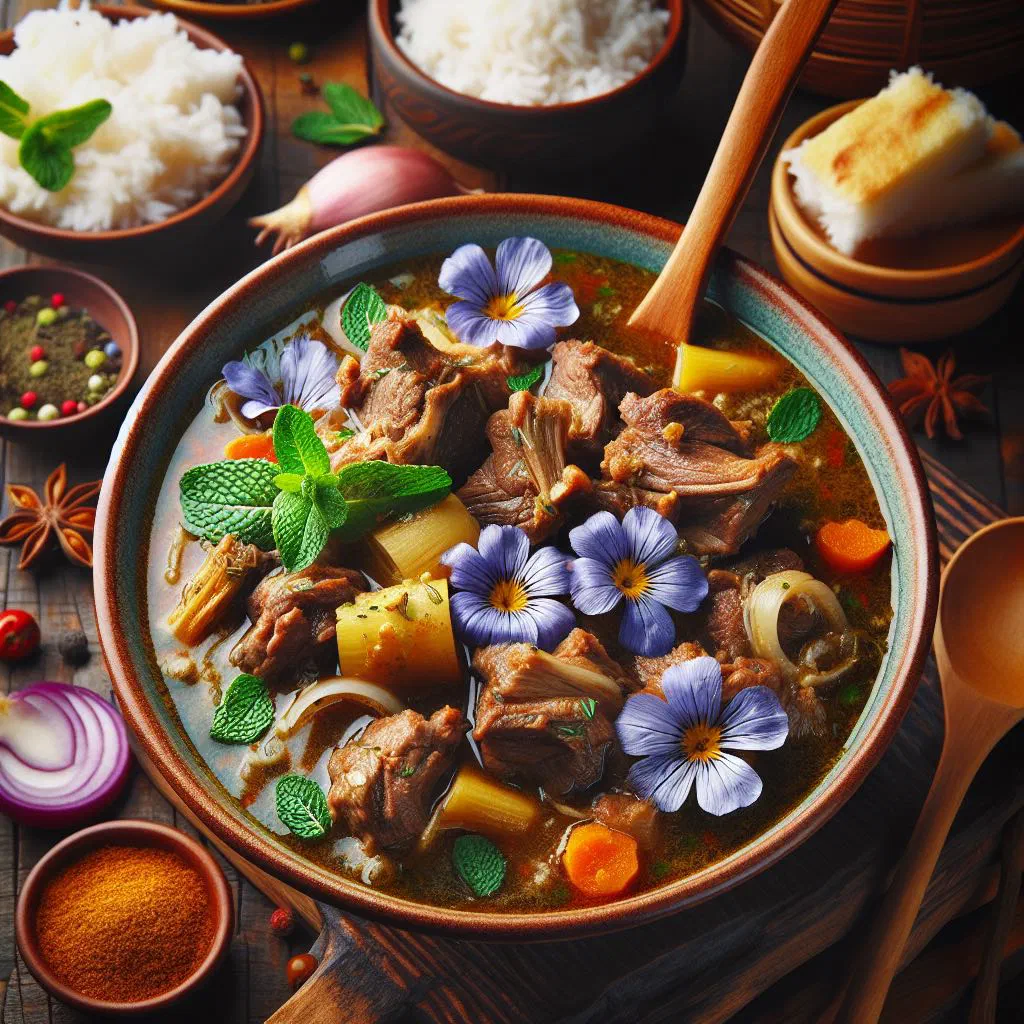
An appealing presentation of Waterblommetjiebredie can be achieved with fresh herbs and colourful sides. Serve the stew in a handsome bowl that shows off its colour and texture. A light squeeze of lemon just before serving lifts the flavours and adds a visual highlight. Remember to serve the dish with fresh bread or rice to make it a complete and satisfying meal.
A bit of history
Waterblommetjiebredie has its roots in the cultural blend of South African cuisine, which draws together many influences. The dish is often made in rural areas and reflects the way of life of people closely connected to the land. Originally cooked by hill farmers and country folk, it has grown into a symbol of South African hospitality. Preparing and sharing it is an invitation to celebrate the shared values and traditions for which South African cuisine is known.
More recipe ideas
Summary: Waterblommetjie Stew
In short, Waterblommetjiebredie is more than just a dish; it is an experience of flavours and traditions that comes alive in every pot. The harmony of lamb, waterblommetjies and aromatic herbs offers a unique chance to enjoy South African culture on a plate. With its many options for adapting and preparing it, there is huge scope to discover the stew in all sorts of versions. Let Waterblommetjiebredie inspire you and bring a piece of South African hospitality into your own kitchen.