National Dish South Korea: Bossam (Recipe)
In this article
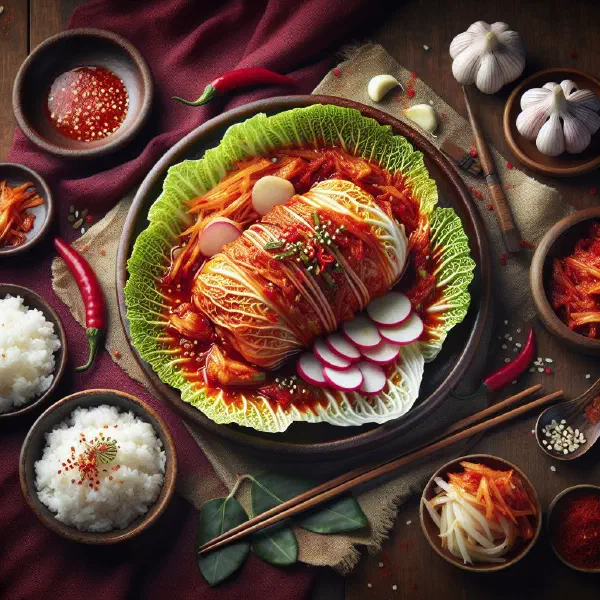
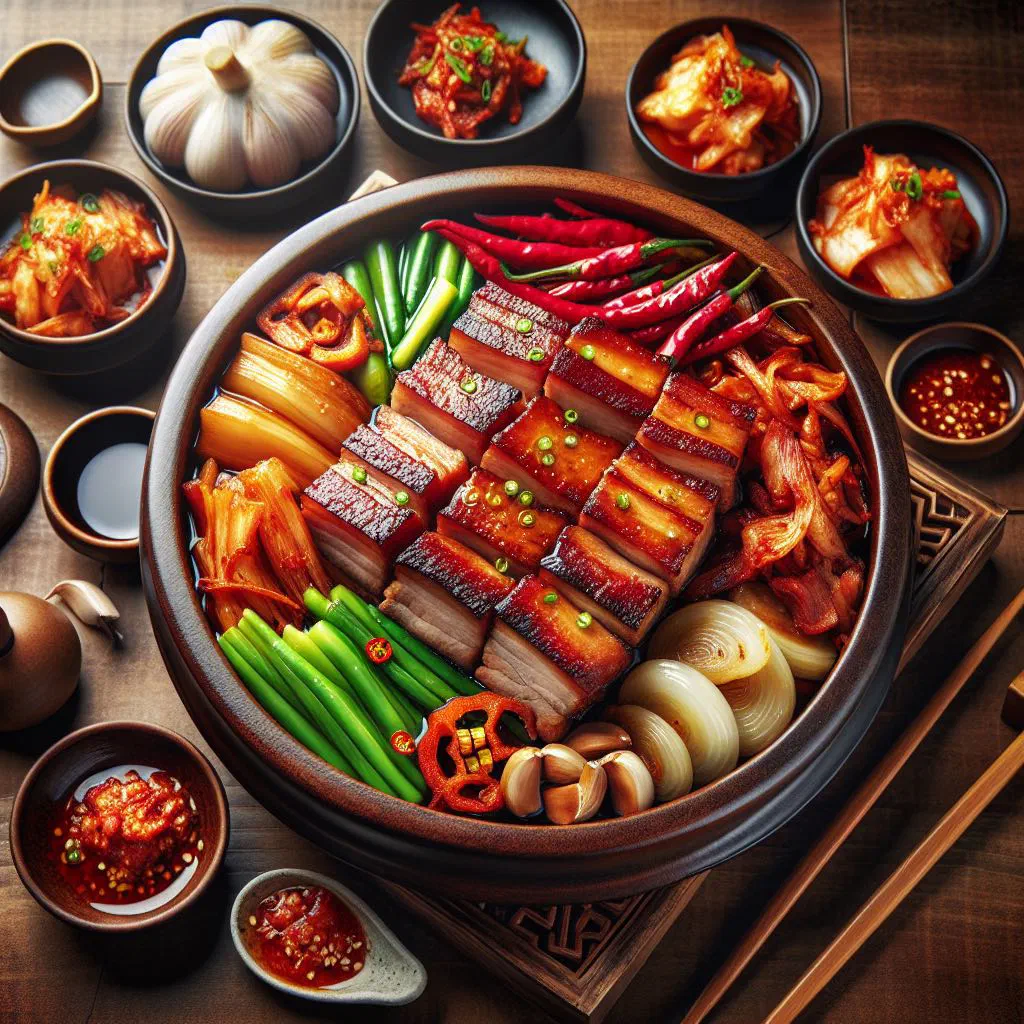
Meet Bossam, a Korean classic built around tender, gently poached pork belly. The meat is simmered in a fragrant, lightly seasoned broth until it turns meltingly soft, then thinly sliced and wrapped in crisp leaves with a dab of kimchi. It is sociable food at its finest, a dish made for sharing at the table with family and friends. Bring a taste of Korea’s warm hospitality straight into your own kitchen.
About Bossam
Bossam is a traditional Korean dish made from tender, slow-cooked pork. It is hugely popular not only in Korea but around the world too. The meat is poached in a spiced broth, which keeps it especially juicy and full of flavour. Bossam is often served at festive occasions and has a real gift for bringing people together around the table, making it as much a social ritual as a meal.
Ingredients (serves 1–2)
- 500 g pork belly
- 1 litre water
- 2 tablespoons salt
- 1 tablespoon sugar
- 4 garlic cloves, lightly crushed
- 2 cm ginger, sliced
- Fresh vegetables (e.g. lettuce leaves, radishes, carrots)
- Kimchi, to serve
Shopping for the ingredients
When shopping for bossam, it is worth choosing good-quality pork belly. A cut with nice marbling works best, as the fat keeps the meat beautifully tender. Look for fresh vegetables such as lettuce leaves and radishes that are crisp and lively, as they round out the dish and add welcome crunch. Pick up a good kimchi too, to bring the different flavours together and support the interplay of aromas.
Preparing the dish
Before you start cooking Bossam, take a little time to prepare everything thoroughly. First rinse the pork well and place it in a suitable pan. Next, combine the water, salt, sugar, garlic and ginger to create a fragrant broth. Bring the mixture to the boil once before adding the meat, so the flavours are ready to work their way into the pork from the very start.
Step-by-step instructions
- Place the pork in a pan and cover it with water.
- Make up the broth with salt, sugar, garlic and ginger, and bring it to the boil.
- Simmer the meat gently over low heat for 1.5 to 2 hours, until it is tender.
- Lift the meat out of the pan and let it rest briefly before slicing it thinly.
- Serve together with the fresh vegetables and kimchi.
Gluten-free / lactose-free version
Bossam is easy to make gluten-free and lactose-free. Take care that the ingredients you use, such as seasonings and broth, are gluten-free. Stock cubes and ready-made products often contain gluten, so it is best to prepare the broth yourself from scratch. This recipe contains no lactose, as long as you choose the right vegetables for your sides. That way anyone with an intolerance can enjoy this delicious dish too.
Tips for vegans and vegetarians
Although Bossam is traditionally made with pork, there are plenty of vegan alternatives to be found. Instead of meat, marinated tofu cubes or grilled pieces of seitan make a wonderful stand-in. The accompanying vegetables and the kimchi are usually vegan and deliver plenty of flavour on their own. These swaps mean vegans and vegetarians can enjoy the dish just as much, much like a comforting bowl of Sundubu Jjigae.
More tips and tricks
To deepen the flavour of Bossam, feel free to adjust the broth to taste by adding extra seasonings such as chilli or soy sauce. Keep a close eye on the cooking time, as overcooking can leave the meat dry. When it comes to the vegetables, let your imagination run free. Use whatever you enjoy. This brings variety to the dish and makes it especially appealing.
Adapting the recipe to your taste
With Bossam you can tailor the recipe entirely to your own palate. Experiment with different herbs and spices to vary the aroma. If you like things hotter, add more garlic or a pinch of chilli flakes. The sides can be chosen to suit your preferences too, from a sweeter kimchi to a fiery chilli sauce, anything goes.
Ingredient substitutions
If certain ingredients for Bossam are hard to come by, you can often swap them for others. Instead of pork belly, for example, chicken makes a lighter variation. Salt can be replaced with soy sauce for a more intense, savoury flavour, a note you will also find in Bulgogi. With the vegetables there are no limits. Try different options to discover new flavours.
Drink pairing ideas
A number of drinks pair beautifully with Bossam and underline the dish’s flavours. A traditional Korean rice wine, known as Makgeolli, is a lovely companion. Alternatively, you could choose a light lager or a fruity soju. These drinks harmonise perfectly with the seasoning of the dish and turn the meal into a real occasion.
Serving and presentation ideas
The presentation of Bossam can lift the enjoyment many times over. Serve the meat on an attractive wooden board and arrange the fresh vegetables in bright colours around it. Use small bowls for the kimchi and other sides to create variety and symmetry. A well-dressed table turns the meal into a feast for all the senses and invites everyone to dig in.
A bit of history
Bossam has a long tradition in Korean cuisine and is often served on special occasions. It is said that this style of cooking grew popular during the Joseon dynasty, where it represented a particular kind of festive feast. Historically, bossam was also prized by farmers who could afford to entertain a large number of guests. Today the dish is a symbol of Korean hospitality and expresses the bonds between family and friends, standing alongside the great classics of Korean cuisine.
More recipe ideas
Summary: Bossam
In short, Bossam is a delicious and sociable dish that is genuinely easy to make at home. With the right choice of ingredients and a little love in the preparation, anyone can bring this Korean speciality into their own kitchen. Let the flavours work their magic and enjoy the tradition that comes with every piece of Bossam. It is an experience, one that is meant to be shared.