National Dish South Korea: Haemul Pajeon (Recipe)
In this article
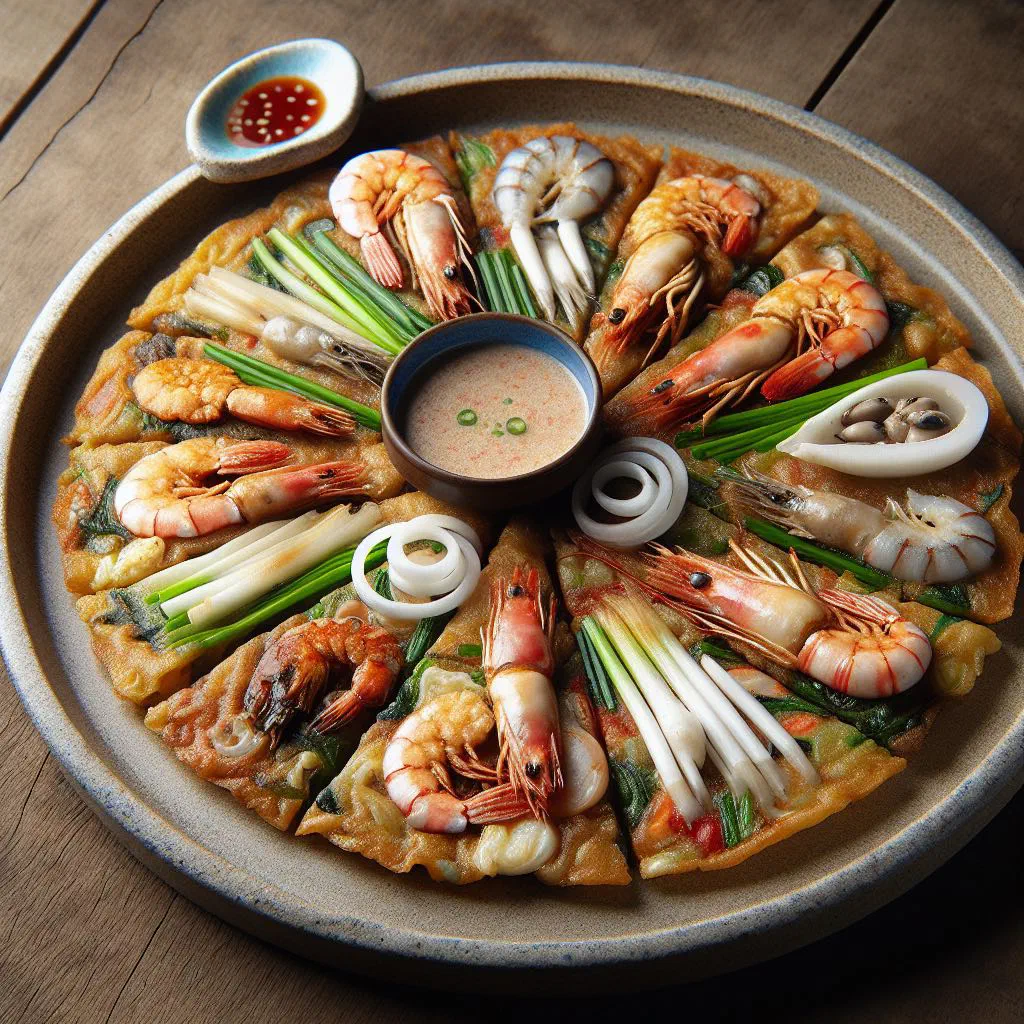
Discover Haemul Pajeon, a wonderfully crisp Korean pancake packed with fresh seafood and fragrant spring onions. Golden and crunchy at the edges yet tender in the middle, it delivers the savoury, moreish flavours that make Korean cooking so hard to resist. A starter or a light main, this classic pancake brings a taste of the Korean coast straight to your own kitchen.
About Haemul Pajeon
Haemul Pajeon is a traditional Korean pancake made with fresh seafood and plenty of spring onions. The pairing of a crisp texture with a rich, savoury flavour makes it a much-loved choice in Korean cooking. Often served as a snack or a main dish, it is popular with locals and visitors alike. With its distinctive method of preparation and its delicious aromas, this pancake has a way of winning over just about every palate.
Ingredients (serves 1–2)
- 1 cup flour (plain wheat flour or gluten-free flour)
- 1/2 cup water
- 1/2 cup fresh seafood (such as prawns and squid)
- 2 spring onions, cut into rings
- 1 egg (optional)
- Oil, for frying
- Soy sauce, for dipping
Shopping for the ingredients
The ingredients for haemul pajeon are easy to find in most supermarkets or Asian grocery shops. Take care to choose fresh seafood, as it makes all the difference to the flavour of the finished dish. If you need to keep things gluten-free, there are special gluten-free flours you can use instead. And don’t forget to pick up fresh spring onions, which lend the pancake its lovely fragrance and freshness.
Preparing the dish
Before you start cooking your haemul pajeon, it is important to prepare all the ingredients thoroughly. Cut the spring onions into small rings and clean the seafood well. If you would like to add an egg, beat it and set it aside. A well-prepared set of ingredients makes the cooking process much easier and helps you achieve an even, consistent result.
Step-by-step instructions
- In a bowl, combine the flour with the water and stir well until you have a smooth batter.
- Fold the fresh seafood and the sliced spring onions through the batter.
- Heat a little oil in a frying pan over medium heat.
- Pour the batter into the hot pan and spread it out evenly.
- Fry the haemul pajeon for about 3–4 minutes on each side, until golden brown and crisp.
- Lift the finished pancake onto kitchen paper to remove any excess oil, then cut it into pieces.
- Serve with soy sauce and enjoy.
Gluten-free / lactose-free version
For a gluten-free version of haemul pajeon, you can simply use gluten-free flour. Many brands offer special flour blends that fry up beautifully. Avoid using milk or dairy products if you would like to keep the dish lactose-free. It is easy to adapt the recipe without losing the authentic flavour of haemul pajeon.
Tips for vegans and vegetarians
Vegan and vegetarian versions of haemul pajeon are entirely possible too. In place of the seafood, use vegetables such as peppers, carrots or courgette to give the pancake plenty of colour and texture. Instead of egg, simply swap in a mixture of water and ground flaxseed to achieve a similar binding effect. That way everyone can enjoy this delicious Korean speciality, whatever their dietary preferences.
More tips and tricks
To make the perfect haemul pajeon, make sure the pan is hot enough without letting it overheat. A well-heated pan gives you a crisp exterior while keeping the inside soft. Use good-quality cooking oil to prevent sticking and to bring out the flavour. Feel free to experiment with different fillings to create your own unique version.
Adapting the recipe to your taste
Haemul pajeon is easy to tailor to personal preference. Add extra seasonings such as chilli powder if you like it spicier, or try a mix of different seafood. The quantity of spring onions can be adjusted to taste as well. Feel free to get creative and shape the dish to suit exactly what you fancy.
Ingredient substitutions
If you can’t find fresh seafood, frozen or preserved seafood makes an excellent alternative. The choice of flour is easy to change too, buckwheat flour or other wholesome flour alternatives work well here, just as they do in a crisp Gamja Jeon. For a milder seasoning you can use teriyaki sauce or hoisin sauce in place of soy sauce. Little swaps like these keep the dish varied and exciting.
Drink pairing ideas
A number of drinks pair beautifully with haemul pajeon. A classic Korean choice is Makgeolli, a mild rice wine that goes wonderfully with savoury food. For a non-alcoholic option, offer sweet green tea or ginger tea, both of which are refreshing and comforting. A fruity Korean sparkling drink also makes a lovely accompaniment to this pancake.
Serving and presentation ideas
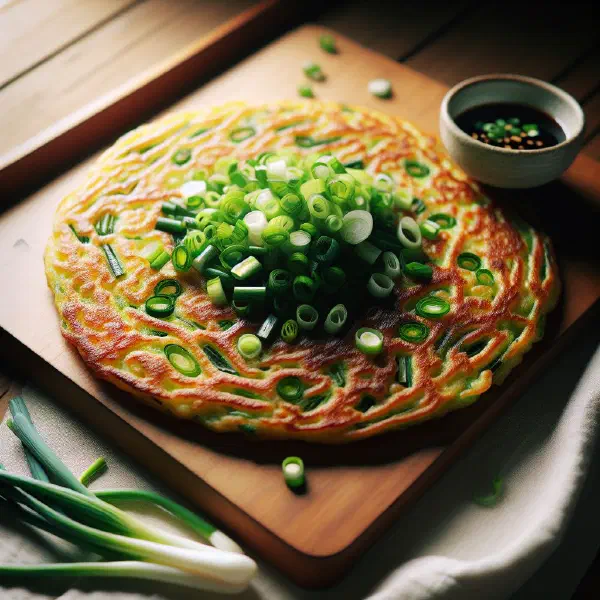
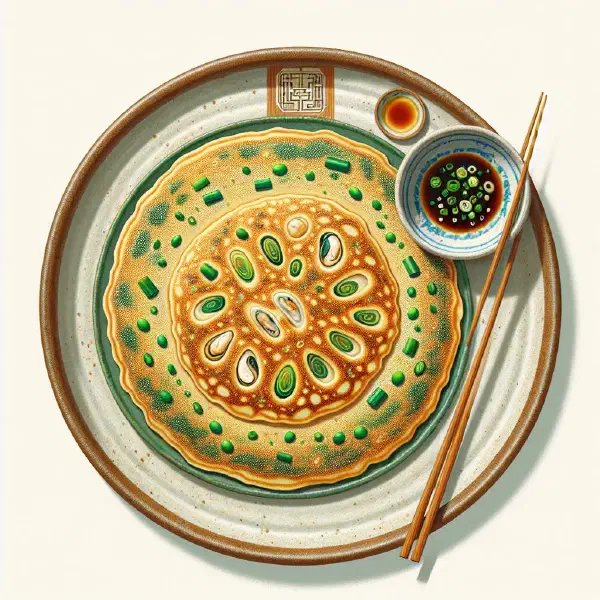
Presentation plays a big part in the overall haemul pajeon experience. Serve the pancakes hot on an attractive plate, garnished with extra spring onions or a scattering of sesame seeds. Set a small bowl of soy sauce or a dipping sauce alongside to please your guests. A few fresh coriander leaves make a pretty finishing touch and add a welcome splash of colour.
A bit of history
Haemul pajeon has its origins in Korea’s coastal regions, where fresh seafood is plentiful. The dish is often served during special occasions and celebrations, and it is a popular snack at Korean street markets. It is also a favourite during the spring temple festivals. Haemul pajeon brings together delicious flavours and the tradition and culture of Korea in a single dish, a fine example of South Korean cuisine.
More recipe ideas
Summary: Haemul Pajeon
Haemul pajeon is a delicious and versatile Korean pancake that brings together fresh seafood and crisp spring onions. With its simple preparation and its scope for adapting to different needs, this dish can be enjoyed by everyone. Whether as a snack or a main course, haemul pajeon brings a piece of Korean tradition to any table. Let its flavours and culture charm you, and enjoy this one-of-a-kind dish.