National Dish South Korea: Jjajangmyeon (Recipe)
In this article
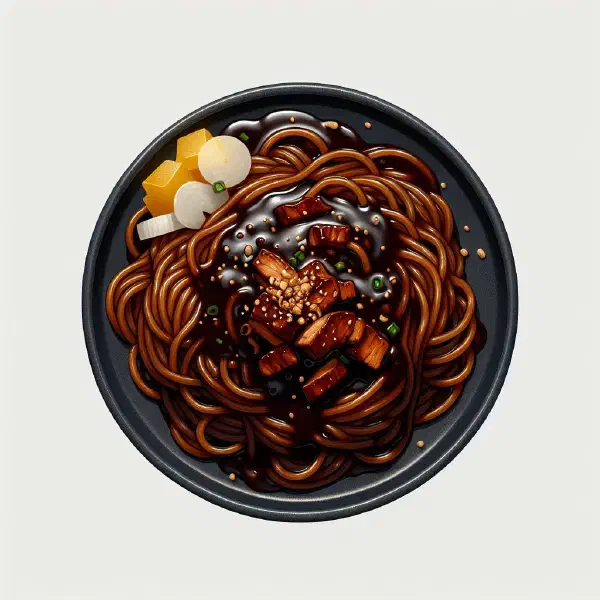
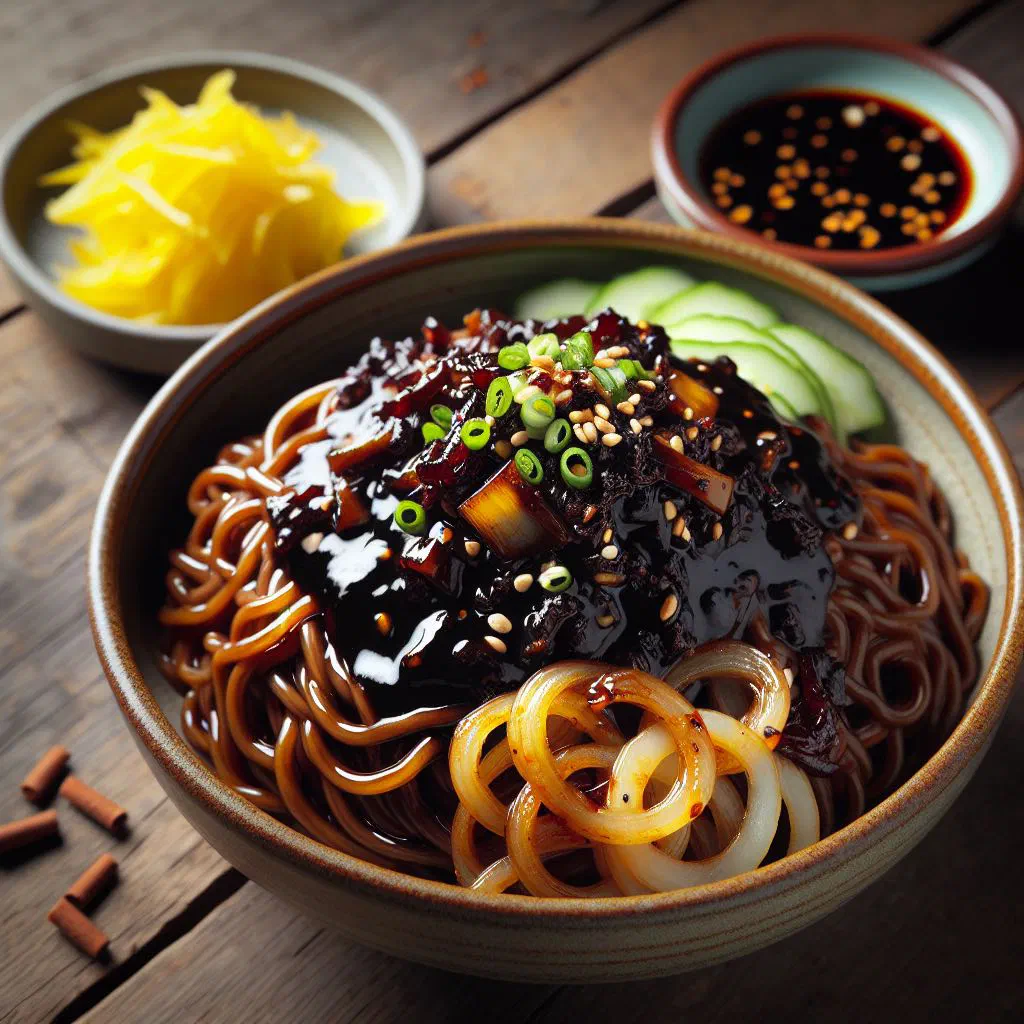
Meet Jjajangmyeon, the glossy, jet-black noodle dish that Koreans reach for on moving day, rainy afternoons and just about any occasion in between. Thick wheat noodles are smothered in a deeply savoury sauce built on fermented black soybean paste, with tender pork and diced vegetables adding body and bite. It is rich, faintly sweet and utterly moreish comfort food, and far easier to make at home than its restaurant reputation suggests.
About Jjajangmyeon
Jjajangmyeon is a traditional Korean noodle dish that appeals to locals and visitors alike. The noodles are cloaked in a deep-brown sauce made from fermented soybeans, prized for its unique, mellow-savoury flavour. The dish is most often built around pork and a medley of fresh vegetables, which turns it into a complete and satisfying meal. Combining these different ingredients enriches the taste and the wonderful contrast of textures in every forkful, a hallmark of much of Korean cuisine.
Ingredients (serves 1–2)
- 200 g wheat noodles
- 100 g pork, cut into small pieces
- 1 onion, diced
- 1 courgette, diced
- 1 carrot, diced
- 3 tablespoons jjajang paste (fermented black bean paste)
- 2 tablespoons vegetable oil
- 200 ml water
- Spring onions, to garnish
- Optional: sesame seeds
Shopping for the ingredients
The ingredients for jjajangmyeon are widely available in Asian supermarkets, especially the jjajang paste, which is usually sold in jars. When shopping, look for a good-quality paste, as this has a big influence on the final flavour of the dish. Fresh vegetables such as courgette and carrot can also be picked up at your local market to guarantee maximum freshness. If you struggle to find certain items, many of them can be ordered online too.
Preparing the dish
Before you start cooking, it pays to get all of your ingredients ready. Cut the vegetables into evenly sized cubes so they cook at the same rate. The pork should likewise be sliced into small pieces to keep the cooking time short. These preparations matter: they streamline the whole process and ensure everything cooks evenly and comes together smoothly.
Step-by-step instructions
- Cook the noodles in boiling water according to the packet instructions until al dente.
- In a separate pan, heat the vegetable oil and sauté the pork until golden brown.
- Add the onion, courgette and carrot and stir-fry briefly.
- Stir in the jjajang paste and mix well to release its aromas.
- Pour in the water and let the mixture simmer for 5–10 minutes, until the vegetables are tender.
- Drain the cooked noodles and add them to the pan with the sauce, tossing well to coat.
- Garnish with spring onions and optional sesame seeds, then serve.
Gluten-free / lactose-free version
To make jjajangmyeon gluten-free, use gluten-free noodles, which are stocked in many health-food shops. Take care that the jjajang paste is gluten-free as well, since many brands include wheat as an ingredient. For a lactose-free version no special adjustments are needed, as the dish is naturally free of dairy. Even so, do check all your ingredients to make sure there are no hidden milk products.
Tips for vegans and vegetarians
Vegan and vegetarian versions of jjajangmyeon are easy to prepare by swapping the pork for tofu or a wider mix of vegetables. Just make sure the jjajang paste is produced without any animal ingredients. Serve the dish with pan-fried tofu and plenty of fresh vegetables to maximise both flavour and nutrition, much like the meat-free approach that works so well in Dubu Jorim. These alternatives keep the dish every bit as hearty and filling.
More tips and tricks
One key tip for perfect jjajangmyeon is not to leave the noodles in the water too long, so they never turn mushy. A thoughtful choice of quality ingredients can lift the flavour considerably. Experiment with different vegetables to discover new taste combinations. Adding a little garlic or ginger to the sauce also lends it an extra layer of aroma, in the same way it brings warmth to a bowl of Kalguksu.
Adapting the recipe to your taste
Jjajangmyeon is a highly adaptable dish that can easily be tailored to personal preferences. Like it spicier? Simply add chilli paste or fresh chillies. For a creamier sauce, stir in a little coconut milk or plant-based cream. Vary the vegetables according to the season and what is available, broccoli, peppers or even mushrooms can make delicious additions.
Ingredient substitutions
If you cannot find jjajang paste, you can try making your own blend from soy sauce, black sesame and a touch of sugar. In place of the pork, you can also use chicken or beef, depending on your taste. For a gluten-free version, rice noodles are a great alternative to wheat noodles, the same swap that suits a springy bowl of Jjolmyeon. Just keep a close eye on cooking times whenever you experiment.
Drink pairing ideas
Jjajangmyeon goes beautifully with filtered water or green tea, both of which keep the meal feeling light. For something special, you could also serve a Korean beer such as Cass or Hite, whose crispness harmonises well with the robust flavours of the noodles. As an alcohol-free option, a Korean soft drink or a vegetable smoothie works nicely too.
Serving and presentation ideas
To serve jjajangmyeon attractively, arrange the noodles in a handsome bowl and spoon the sauce over the top. Garnish the dish with freshly chopped spring onions and, if you like, a scattering of sesame seeds for added flavour. A fresh side of kimchi rounds off the experience and looks appealing too. You might pair it with a crunchy Oi Muchim. Use colourful plates or bowls to make the dish even more visually inviting.
A bit of history
The roots of jjajangmyeon lie in China, where the dish is known as Zhajiangmian. Chinese immigrants brought it to Korea in the early 1900s, where it quickly grew into a national favourite. The name “jjajang” refers to the dark sauce that gives the dish its character. Today jjajangmyeon is loved not only across Korea but internationally too, and it is a fixture on the menus of Korean-Chinese restaurants everywhere, sitting alongside classics like Tangsuyuk.
More recipe ideas
Summary: Jjajangmyeon
Jjajangmyeon is a tasty, nourishing dish that is both simple to prepare and open to countless variations. With its combination of fresh ingredients and the signature jjajang sauce, it offers a genuine taste of Korean culture. Jjajangmyeon is a must for anyone who loves Asian cuisine. Give it a go and bring the flavour of Korea into your own kitchen.