National Dish Sri Lanka: Biryani (Recipe)
In this article
Discover Biryani, a fragrant, celebratory rice dish that has become one of Sri Lanka’s most treasured meals. This recipe layers tender pieces of meat, aromatic spices and fluffy basmati rice into a single, deeply satisfying pot. The moment it starts cooking, the kitchen fills with the warm scent of cumin, turmeric and garam masala. Bring a taste of Sri Lanka to your own table and savour the flavours of this wonderfully rich island cuisine.
About Biryani
Biryani is far more than a simple meal. It is a symbol of Sri Lanka’s rich culture. It brings together flavours from many different regions and reflects the wide range of influences that have shaped the island’s cooking. The dish is often served on special occasions and is famous for its very good aroma, which builds a sense of anticipation the moment it hits the pan. That combination makes biryani a genuine treat for anyone who loves the depth and warmth of South Asian food.
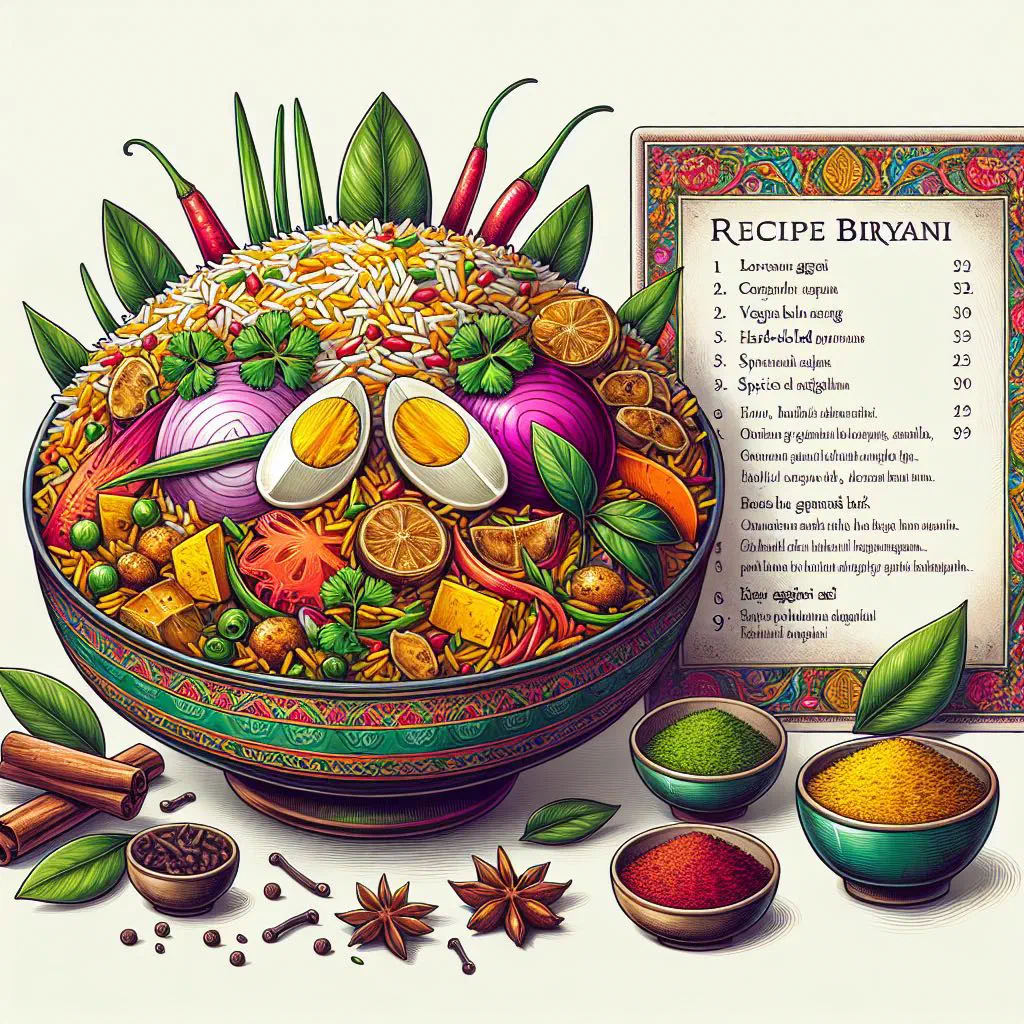
Ingredients (serves 1–2)
- 200 g basmati rice
- 300 g chicken breast or lamb
- 1 large onion
- 2 garlic cloves
- 1 teaspoon ginger paste
- 2 tablespoons yoghurt
- 1 teaspoon turmeric
- 1 teaspoon cumin
- 1 teaspoon garam masala
- Fresh coriander and mint leaves
- Salt and pepper, to taste
- Oil or ghee, for frying
Shopping for the ingredients
When shopping for the ingredients for biryani, it is important to choose fresh, good-quality produce. Look for fresh meat that is known for its tenderness, and for spices that are full and lively in aroma. If you can, visit an Indian or Asian grocery to find the best spices. Do not forget fresh herbs such as coriander and mint either, as they are essential elements that give biryani its freshness and depth. A little care at this stage makes all the difference to the finished dish.
Preparing the dish
Preparing biryani begins with marinating the meat. In a bowl, mix the yoghurt, ginger paste, garlic, turmeric, cumin and garam masala with salt and pepper, then coat the meat and leave it to marinate for at least 30 minutes. This marinade keeps the meat tender and aromatic during cooking. While the meat rests, wash and soak the rice, which gives it a lovelier texture and helps the grains cook evenly.
Step-by-step instructions
- Heat oil or ghee in a large pan and fry the finely chopped onion until golden brown.
- Add the marinated meat and brown it well on all sides.
- Stir in the soaked rice, folding it gently through the meat.
- Add enough water to cover the rice well and bring everything to the boil.
- Reduce the heat, cover and let it simmer for about 20–25 minutes, until the rice is tender and the water has been absorbed.
- Garnish with fresh herbs and adjust the seasoning with a little more spice if needed.
Gluten-free / lactose-free version
Biryani is easy to make gluten-free and lactose-free. Simply make sure that every ingredient you use is gluten-free, paying particular attention to certain spice blends and sauces. Instead of yoghurt, a plant-based alternative such as soya or coconut yoghurt works beautifully for a lactose-free version. That way, anyone sensitive to gluten or lactose can still enjoy a delicious plate of biryani without missing out.
Tips for vegans and vegetarians
Biryani adapts easily for vegans and vegetarians while keeping its flavour and texture intact. In place of meat, use a colourful selection of vegetables such as carrots, peas and cauliflower for a bright mix. Swap the yoghurt for a plant-based alternative, and let the right blend of spices carry the flavour so nothing is lost. By working vegetables in creatively, the dish is every bit as enjoyable, much like a hearty Jackfruit Curry or a comforting Dhal Curry.
More tips and tricks
A great tip when making biryani is to layer the meat and rice rather than mixing them fully. This helps the flavours spread evenly and makes the dish even more delicious. It also helps to use a large, heavy-based pot to prevent anything catching and burning. Once cooked, let the dish rest for a few minutes so the flavours can settle before you serve it.
Adapting the recipe to your taste
The beauty of biryani lies in its versatility and how readily it bends to personal preference. Adjust the spices to your liking, perhaps you enjoy it hotter? Add fresh chillies. Alternatively, use other protein sources such as tofu, or change up the vegetables depending on what is in season. This flexibility makes every biryani a unique experience and gives you something new to discover each time you cook it.
Ingredient substitutions
If you are missing certain ingredients for your biryani or fancy a change, there are plenty of options. Instead of basmati rice you could use jasmine rice, though the aroma will shift a little. With the spices, fresh ones can be swapped for dried, though these often need a longer cooking time to release their flavour. The meat can also be replaced with plant-based proteins to create an entirely new version of the dish. Try pairing it with a bright Coconut Sambol on the side.
Drink pairing ideas
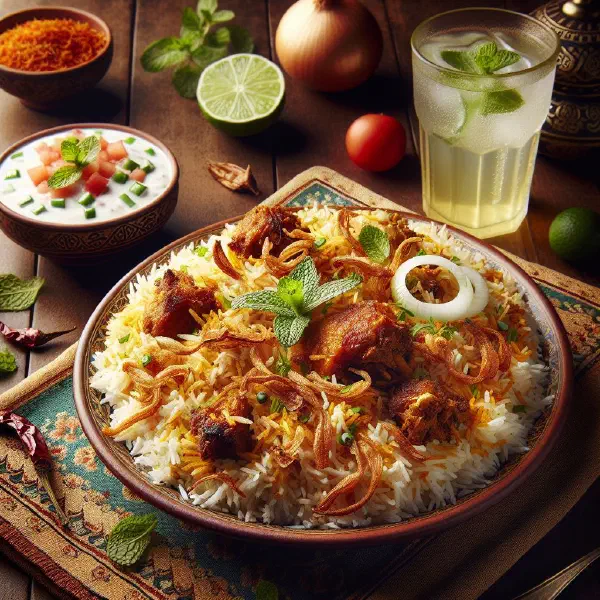
To round off the flavour of biryani perfectly, the choice of drink matters. A refreshing Mango Lassi is an excellent option, as its sweetness balances the spices beautifully. Alternatively, serve a non-alcoholic mint water or a lightly spiced chai tea.
Serving and presentation ideas
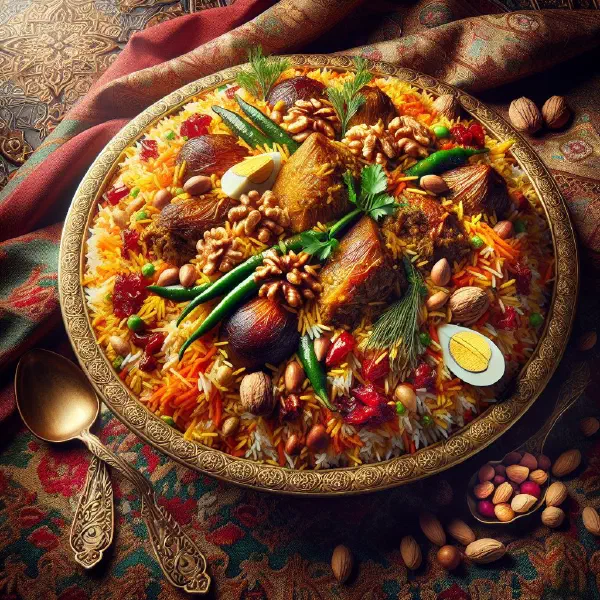
An appealing presentation makes eating biryani even more exciting. Serve the dish in a large, shallow bowl or an attractive platter that gives it a traditional, rustic look. Decorate the biryani with fresh herbs and toasted nuts to enhance both the colour and to add extra crunch. You could even scatter a few flower petals as a final garnish to lend the dish a festive touch.
A bit of history
Biryani has its roots in the historic cuisine of the Mughal rulers and was shaped by various cultures across the Indian subcontinent. It emerged as a combination of rice dishes with marinated meat and became the basis for countless regional variations. This history gives every biryani a rich flavour and a deep cultural context that is still cherished today. True biryani lovers enjoy sharing these stories over a meal, connecting each plate to the cultural origins that run through all of Sri Lankan cuisine.
More recipe ideas
Summary: Biryani
In summary, biryani is a delicious and versatile dish that suits just about any occasion. It can be adapted to personal preference and offers plenty of options for meat lovers, vegans and vegetarians alike. Its unmistakable flavour, rich aromas and cultural significance make biryani a memorable experience. Bring a piece of Sri Lanka into your own kitchen and enjoy the flavours of this fascinating cuisine.