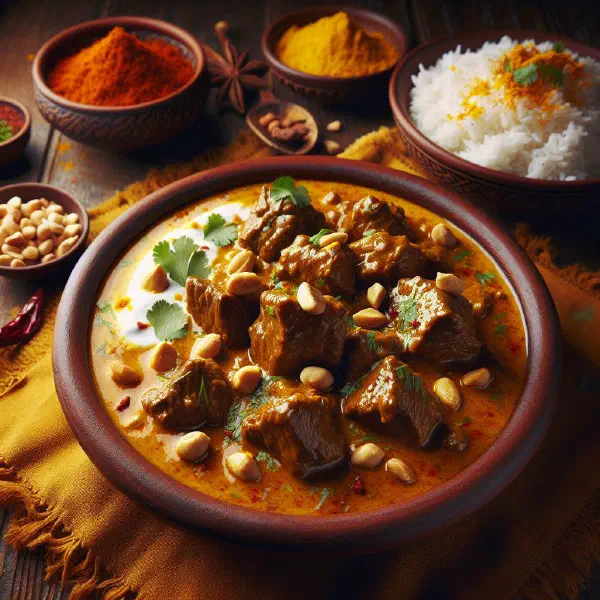
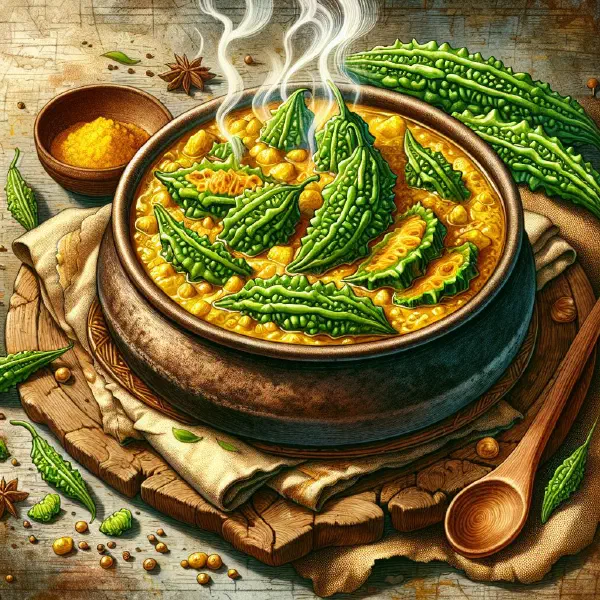
National Dish Sri Lanka: Claypot Mutton Curry (Recipe)
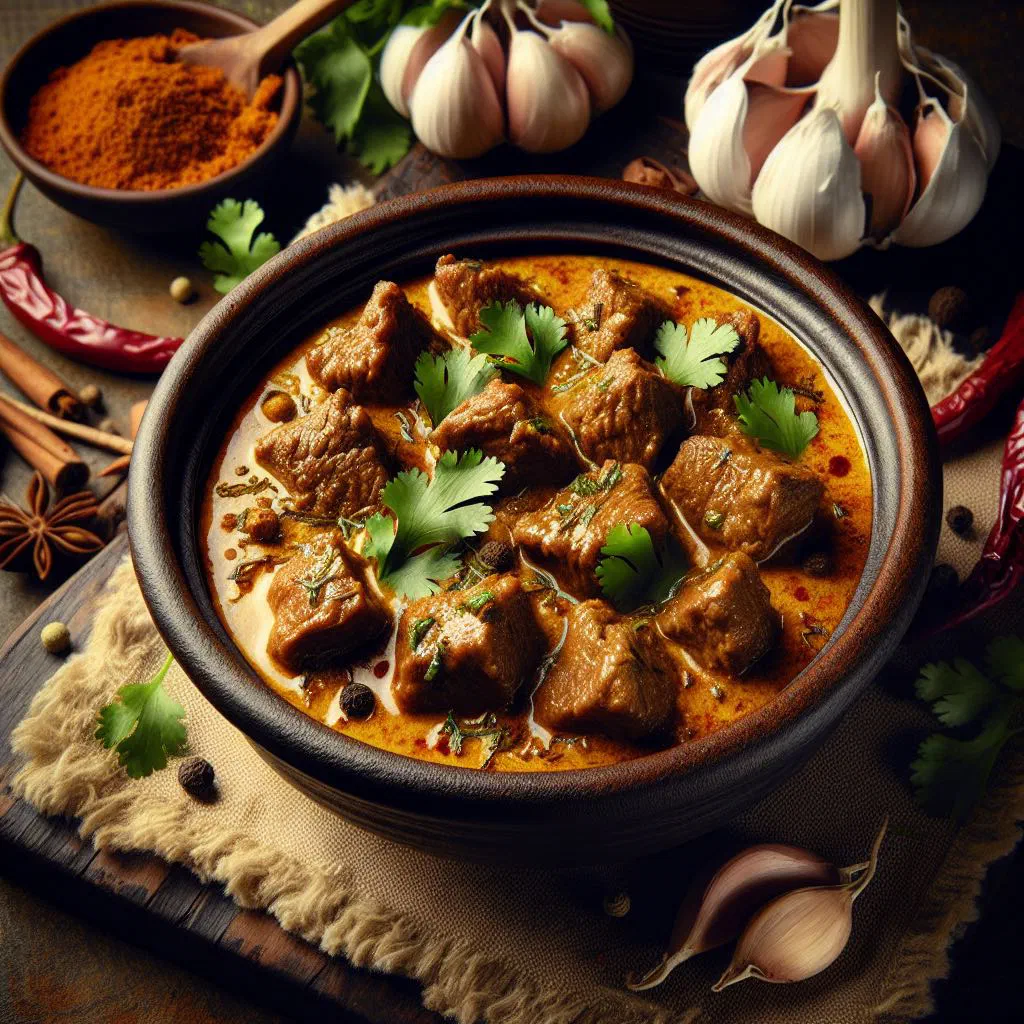
In this article
Discover Claypot Mutton Curry, one of Sri Lanka’s most treasured dishes. Tender pieces of lamb are slow-cooked in an earthenware pot until the exotic spices and creamy coconut milk melt into a rich, aromatic gravy. Prized at festivals and family gatherings alike, it captures the depth and warmth of the island’s kitchen in every mouthful. Bring the flavours of Sri Lanka straight to your own table with this comforting, deeply satisfying curry.
About Claypot Mutton Curry
Claypot Mutton Curry is a beloved dish across Sri Lanka, celebrated for its intense and layered flavours. Cooking in an earthenware claypot ensures the ingredients heat evenly, so the spices have time to blend and mingle beautifully. In Sri Lanka the dish is often a highlight at festivities and get-togethers, where it takes pride of place at the centre of the table. It reflects the country’s culinary variety and the cultural traditions that come alive in every single bite.
Ingredients (serves 1–2)
- 500 g lamb, diced
- 2 tablespoons vegetable oil
- 1 large onion, chopped
- 4 cloves garlic, chopped
- 2 cm fresh ginger, grated
- 2 teaspoons curry powder
- 1 teaspoon turmeric
- 1 teaspoon cumin
- 1 teaspoon coriander
- 1 tin coconut milk
- 2 tomatoes, diced
- Salt and pepper, to taste
- Fresh coriander leaves, to garnish
Shopping for the ingredients
The ingredients for a delicious claypot mutton curry are easy to source in most well-stocked supermarkets or at Asian grocery shops. Above all, look for fresh cuts of lamb and good-quality spices, as these are decisive for the flavour of the finished dish. When it comes to the coconut milk, it is worth choosing a slightly pricier brand, as it tends to be creamier and more flavoursome. Pick up fresh herbs to finish the curry too. They add not just freshness but also colour, much as they do in a bright Mango Curry.
Preparing the dish
Before you start cooking, thorough preparation makes all the difference. Cut the lamb into evenly sized cubes so it cooks through at the same rate. Then chop all the aromatic ingredients such as the onion, garlic and ginger. This saves time during cooking and means everything is close to hand when you need it. Make sure, too, that your claypot is clean and ready to go before the heat goes on.
Step-by-step instructions
- Heat the vegetable oil in a claypot over medium heat.
- Add the chopped onion and fry until golden brown.
- Add the garlic and ginger and cook for a further minute.
- Add the spices — curry powder, turmeric, cumin and coriander — and stir well.
- Add the lamb and brown it on all sides until lightly coloured.
- Add the diced tomatoes and the coconut milk. Stir well and bring the curry to the boil.
- Reduce the heat and let the curry simmer for around 45 minutes, until the meat is tender.
- Season with salt and pepper and garnish with fresh coriander leaves.
Gluten-free / lactose-free version
Claypot mutton curry is naturally gluten-free, as no gluten-containing ingredients are used. Do check, however, that the spices you use are gluten-free as well. The dish is also lactose-free, since it contains no dairy at all. If you fancy a creamier consistency, you can stir in a little coconut cream, which is likewise lactose-free, and pairs perfectly with the exotic character of the curry.
Tips for vegans and vegetarians
For a vegan version of claypot mutton curry, simply swap the lamb for a combination of chickpeas and aubergine. These ingredients offer a wonderful texture and soak up the flavours of the curry beautifully. Take care to adjust the other ingredients, such as the vegetables and spices, to your liking. The result is an equally tasty and aromatic dish that appeals to every palate, in the same spirit as a hearty Soya Curry.
More tips and tricks
To intensify the aroma of your claypot mutton curry, try marinating the meat before cooking. A marinade of yoghurt, ginger and spices lends the lamb extra flavour and makes it more tender too. Toasting the spices before adding them can also bring the aromas to the fore.
Adapting the recipe to your taste
Claypot mutton curry is easy to tailor to personal preference. If you like it hot, add extra chillies or pepper. For a milder version, cut back on the spices or use mild paprika instead. Reach for seasonal vegetables to make the curry more nourishing and colourful. Versatility is one of the many virtues of this dish.
Ingredient substitutions
If lamb is not available, you can also use beef, chicken or even fish. For a vegetarian version, work in vegetables such as carrots, courgette or sweet potatoes. Instead of coconut milk, vegetable stock can be used to create a lighter take on the dish, a trick that works well in many a Fish Curry too. Experiment with different ingredients and find the combination that tastes best to you.
Drink pairing ideas
Freshly made lemonade or a light, fruity beer go particularly well with claypot mutton curry. Wine lovers might reach for a light red that complements the flavours of the curry. Indian-style chai or a refreshing mint tea also make excellent companions to this dish. These drinks help balance the spices and create a harmonious tasting experience.
Serving and presentation ideas
Presentation matters a great deal with this dish. Serve the curry in the claypot itself to give it an authentic look. Garnish it with freshly chopped coriander leaves and offer basmati rice or naan bread on the side. Colourful vegetables such as red pepper, or pieces of fruit, can add a pretty touch as well. Careful plating turns the meal into a real occasion, especially alongside a fragrant Ghee Rice.
A bit of history
Claypot mutton curry has its origins in the diverse culture of Sri Lanka, where cooking in an earthenware pot is a long-standing tradition. This method allows the flavours to bond especially well and ensures even cooking. Historically, spices played a central role in Sri Lankan cuisine, which was strongly shaped by the ancient trade routes and by the country’s colonial history. Every dish tells a story rooted deep in the traditions of the island, from a comforting Dhal Curry to this celebrated curry, and there is much more to explore across Sri Lankan cuisine.
More recipe ideas
Summary: Claypot Mutton Curry
Claypot mutton curry is far more than just a dish; it is an experience full of flavour, culture and tradition. The combination of fresh lamb, delicious spices and the earthenware-pot preparation ensures that every bite stays memorable. Whether as a special dish for guests or a comforting meal for the family, this curry brings the heart of Sri Lanka to your table. Let it inspire you and enjoy a taste of this fascinating cuisine.