National Dish Sri Lanka: Coconut Chutney Rice (Recipe)
In this article
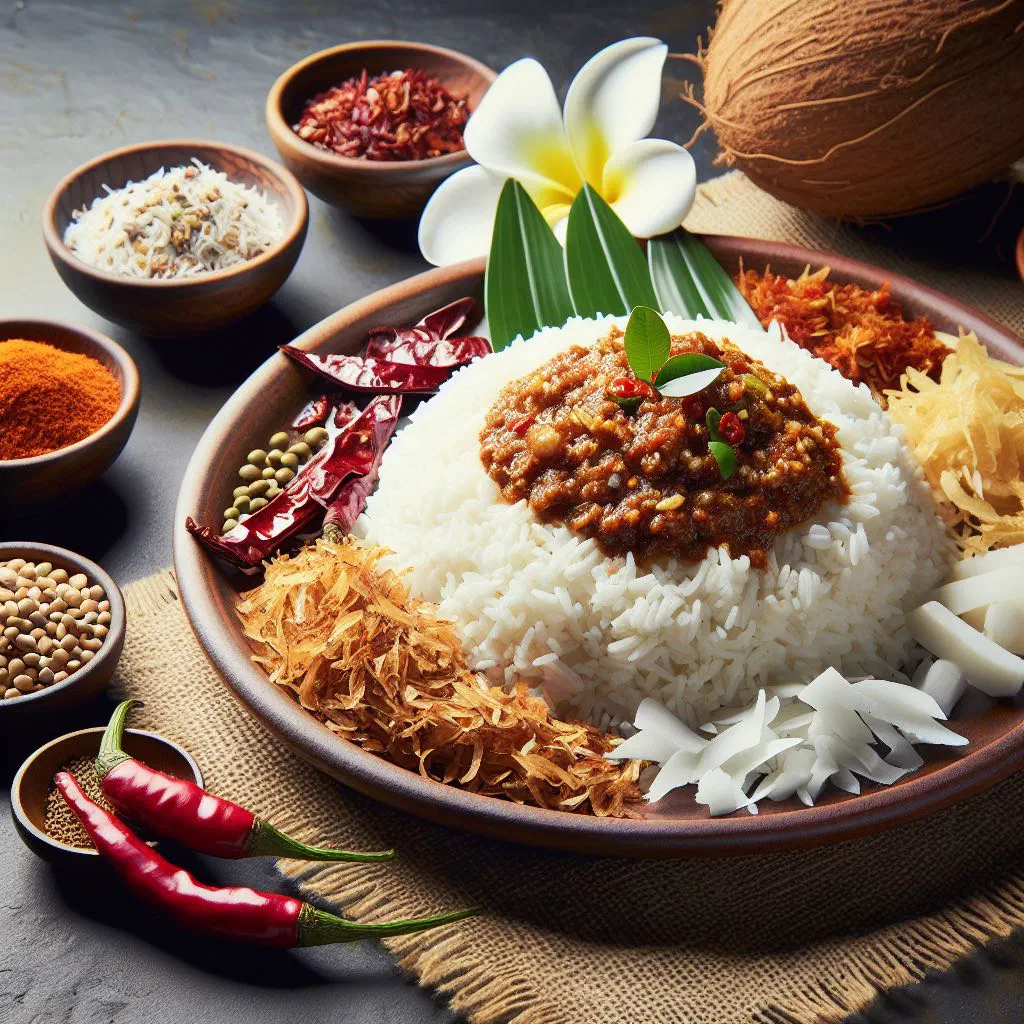
Discover Coconut Chutney Rice, a true celebration of Sri Lankan flavour. This dish pairs delicate, fragrant rice with a lively fresh coconut chutney that is punchy with green chilli and mustard seed. The vitality of the fresh ingredients and the generous use of spice reflect the cultural depth of the island’s kitchen. It is guaranteed to win over every guest at the table.
About Coconut Chutney Rice
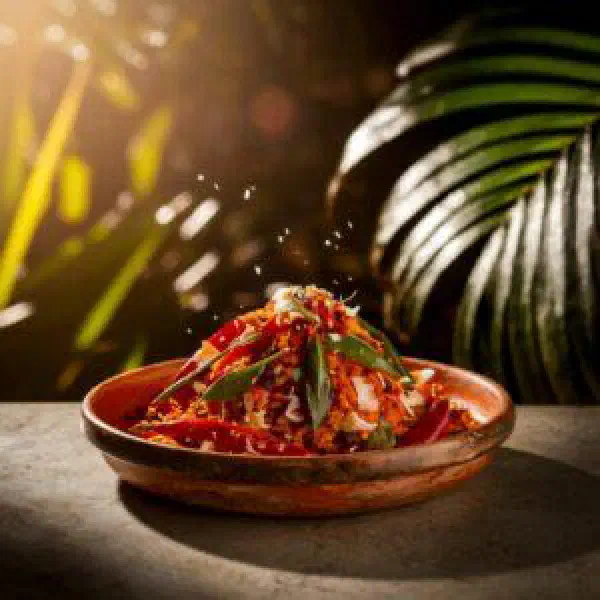
Coconut Chutney Rice is a true feast of flavours from Sri Lanka. The dish brings together the finesse of aromatic rice and the piquant taste of freshly made coconut chutney. The vitality of the fresh ingredients and the wealth of spices mirror the cultural richness of Sri Lankan cooking.
Ingredients (serves 1–2)
- 1 cup basmati rice
- 1 cup freshly grated coconut
- 2 green chillies (to taste)
- 1 small onion
- 1 tablespoon mustard seeds
- 1 tablespoon oil (coconut or sunflower)
- Salt to taste
- Fresh coriander leaves, to garnish
Shopping for the ingredients
When shopping for the ingredients for Coconut Chutney Rice, it is important to pick fresh, good-quality produce. The basmati rice should be clean and free of any mould in the packet, while the coconut is best freshly grated so you capture its full flavour. Pay attention to the freshness of the onion and chillies too, as these have a real impact on the overall taste of the dish. Where you can, shop at a local market to get hold of the freshest ingredients.
Preparing the dish
Begin by preparing the ingredients for Coconut Chutney Rice. Wash the basmati rice thoroughly until the water runs clear, removing the excess starch. This keeps the rice light and fluffy once it is cooked. Meanwhile, finely chop the onion and the chillies so the flavours spread evenly through the chutney.
Step-by-step instructions
- Cook the basmati rice in a pan with twice its volume of water until tender.
- Heat the oil in a frying pan and add the mustard seeds.
- Once the mustard seeds begin to pop, add the chopped onion and chillies and sauté.
- Stir in the grated coconut and mix everything together well.
- Season the chutney with salt and garnish with fresh coriander leaves.
- Serve the rice alongside the coconut chutney and enjoy.
Gluten-free / lactose-free version
Preparing Coconut Chutney Rice is naturally gluten-free and lactose-free. The basmati rice and coconut used here are excellent choices for anyone with food intolerances. When buying the ingredients, just double-check that no hidden allergens have crept in. That way, even those with particular dietary needs can enjoy this delicious dish. It pairs beautifully with a simple bowl of Dhal Curry for a fuller meal.
Tips for vegans and vegetarians
For vegans and vegetarians, Coconut Chutney Rice is an excellent choice, rich in fibre and nutrients. Make sure the oil you use is plant-based and reach for fresh vegetables to round out the meal. For an extra hit of protein, serve beans or lentils on the side, a little Parippu works wonderfully. It is a flexible dish that adapts easily to your personal preferences.
More tips and tricks
To lift the flavour of Coconut Chutney Rice even further, a few extra tricks are worth knowing. Experiment with different spices such as turmeric or cumin to give the dish a personal touch. Plating it in traditional serveware can also elevate the presentation and lend an authentic feel.
Adapting the recipe to your taste
The great thing about the recipe for Coconut Chutney Rice is its versatility. You can adjust the heat by changing the number of chillies you use, or add extra vegetables such as carrots or peas. You can also vary the chutney ingredients to suit your taste, folding in different nuts or spices. These tweaks let you shape the dish exactly to your liking, much as you would with a comforting Coconut Milk Rice.
Ingredient substitutions
If you do not have certain ingredients to hand, there are plenty of alternatives to try. In place of basmati rice you can use jasmine rice or even quinoa for a different texture and taste. For the chutney, desiccated coconut makes a quick stand-in for freshly grated coconut. Be creative and use whatever you have in your kitchen, the same spirit that carries a fresh Coconut Sambol.
Drink pairing ideas
To round off the experience of Coconut Chutney Rice, you can serve a well-matched drink alongside it. A light, fruity beer or a refreshing coconut mocktail harmonises beautifully with the aromatic flavours. A classic spiced tea also makes a lovely companion, drawing out the spices of the dish. These pairings bring the flair of Sri Lanka straight into your home.
Serving and presentation ideas
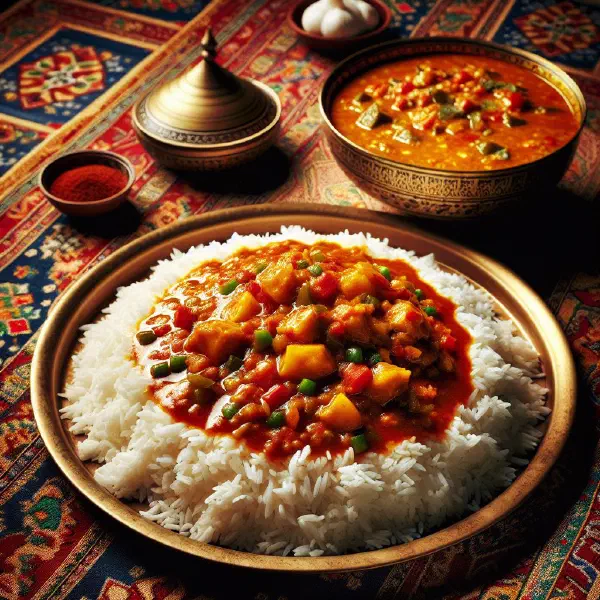
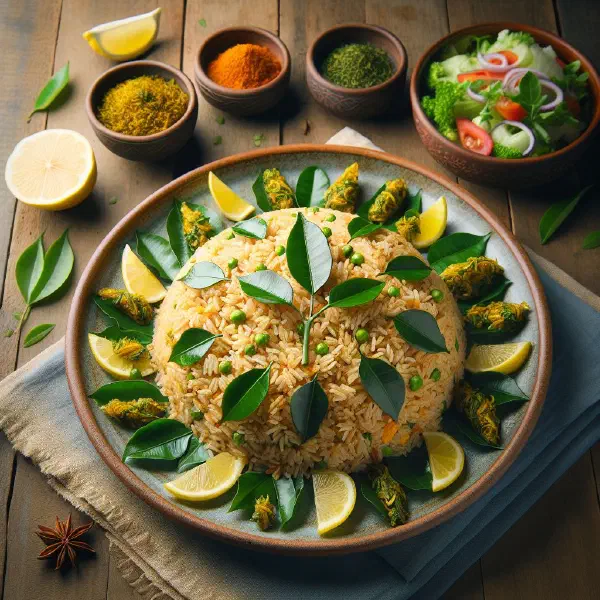
The presentation of Coconut Chutney Rice can raise the whole dining experience. Serve the rice in a deep bowl and decorate it with fresh coriander leaves and a few slices of lime. This adds colour and a bright, fresh note of flavour. Use traditional Sri Lankan serveware to underline the cultural character of the dish even more.
A bit of history
The roots of Coconut Chutney Rice can be traced back to the age-old traditions of Sri Lanka. Coconut is one of the cornerstone ingredients of Sri Lankan cuisine and features in countless dishes across the Sri Lankan kitchen. It matters for flavour and for the healthy fats and nutrients it provides. The pairing of rice and chutney has evolved in many forms over the years and is a true representation of the rich culture of this island nation.
More recipe ideas
Summary: Coconut Chutney Rice
Coconut Chutney Rice is an exquisite journey into the flavours of Sri Lanka. With its wealth of fresh, healthy ingredients and its scope for adaptation, this dish offers an exciting way to get to know Sri Lankan cuisine. Whether as a simple side or a main course, it seduces with its richness of textures and tastes. Let this recipe inspire you and enjoy a little slice of island culture.