National Dish Sri Lanka: Crab Curry (Recipe)
In this article
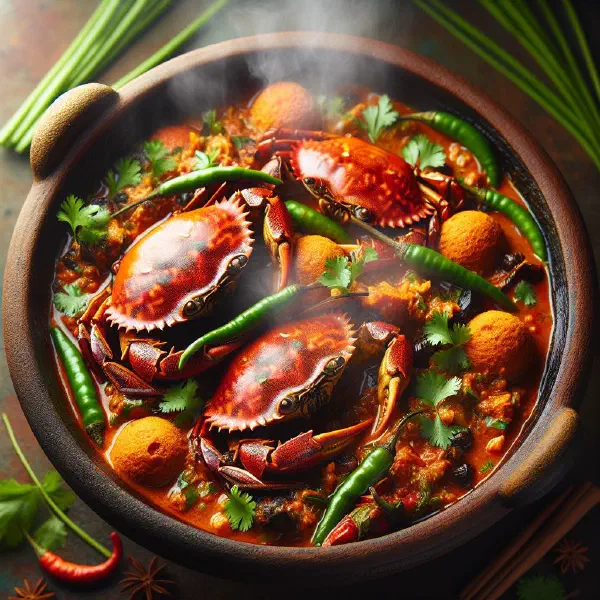
Discover Crab Curry, one of the true jewels of Sri Lanka’s coastal kitchen. Tender crab is simmered in a fragrant coconut sauce brightened with green chilli, turmeric and lime, delivering the kind of bold, exotic flavour the island is famous for. Traditionally served along the palm-fringed coast and at festive gatherings, it brings the aromas of the Indian Ocean straight to your table. This recipe is the perfect starting point for recreating an authentic taste of Sri Lanka at home.
About Crab Curry
Crab Curry is a genuine highlight of Sri Lankan cuisine, pleasing locals and visitors alike. The combination of fresh crab meat, aromatic spices and a creamy coconut sauce makes this dish a memorable experience. Across many of Sri Lanka’s coastal regions it is served in the traditional way and often forms part of celebrations and special occasions. If you want to recreate that authentic island flavour in your own kitchen, this recipe is exactly where to begin.
Ingredients (serves 1–2)
- 500 g fresh crab
- 2 tablespoons coconut oil
- 1 onion, finely diced
- 2–3 garlic cloves, chopped
- 1 piece of ginger (about 2 cm), grated
- 2–3 green chillies, sliced lengthways
- 1 teaspoon turmeric
- 2 teaspoons cumin
- 400 ml coconut milk
- Juice of 1 lime
- Fresh coriander, to garnish
- Salt to taste
Shopping for the ingredients
When shopping for the ingredients for your crab curry, pay close attention to the freshness of the crab. Ideally you should buy fresh, live crab from a local fishmonger to get the very best flavour. The spices, too, should be fresh and of good quality; where possible, buy whole spices and grind them yourself for the most aromatic result. Look out as well for organically grown coconut milk for a fuller, more natural taste in your dish.
Preparing the dish
Before you begin cooking, take the time to prepare your ingredients well. Clean the crab thoroughly by rinsing it under cold water and carefully removing the shell. Finely chop the onion, garlic and ginger, as these form the aromatic base of the dish. Have your fresh chillies and coriander ready for garnishing too, so the finished plate looks as inviting as it tastes.
Step-by-step instructions
- Heat the coconut oil in a large pan over medium heat.
- Add the diced onion and fry for about 5 minutes, until soft and lightly golden.
- Stir in the chopped garlic, grated ginger and green chillies, and cook for a further 2 minutes.
- Sprinkle over the turmeric and cumin and stir well to combine.
- Add the fresh crab and fry for about 3–4 minutes, until it turns lightly pink.
- Pour in the coconut milk, bring to the boil, then lower the heat and simmer gently for 10–15 minutes.
- Add the lime juice and salt, stir well, and garnish with fresh coriander.
Gluten-free / lactose-free version
Crab Curry is naturally gluten-free and easily made lactose-free, since its main ingredients are coconut milk and fresh crab. Make sure that any spices you use are also gluten-free, and choose clearly labelled products. If you want to make the dish even more strictly lactose-free, simply replace any butter with a little extra coconut oil. This keeps all the delicious flavour intact without asking you to give up a moment of enjoyment.
Tips for vegans and vegetarians
For vegans and vegetarians, crab curry adapts easily by swapping the crab for two tins of chickpeas or a mix of different vegetables. These ingredients soak up the aromas of the spices beautifully and offer an interesting texture. You can also add tofu or tempeh to bring extra protein to the dish. These alternatives make an equally delicious option for anyone wishing to avoid animal products without compromising on flavour, much like a hearty Cashew Curry.
More tips and tricks
To make your Crab Curry even more flavourful, you can add one or two secret ingredients. A teaspoon of tamarind paste, for example, lends the dish a refreshing tang. You might also try adding a few whole spices such as cinnamon or cloves while it cooks, to build extra depth of flavour. Remember to experiment with new variations and learn from your first attempt as you work towards your perfect curry.
Adapting the recipe to your taste
Everyone has different taste preferences, and crab curry is perfectly suited to adjustment. If you like it hot, simply add more green chillies or a pinch of cayenne pepper. For a milder version, leave the chillies out altogether or use only the seeds. You can also experiment with the consistency of the sauce by adding more or less coconut milk, depending on whether you prefer it thicker or thinner.
Ingredient substitutions
If some of the ingredients are hard to come by, there are always alternatives. Instead of fresh crab you can use frozen or pre-cooked crab to shorten the preparation time, the same shortcut that works well for a Fish Curry. For the coconut milk you could also use almond drink or another plant-based alternative, though this may change the flavour. Keep an eye on the proportions and consistency to achieve the best possible result.
Drink pairing ideas
A range of refreshing drinks pairs wonderfully with a delicious Crab Curry, cleansing the palate as you eat. A good cold beer or a light white wine such as Sauvignon Blanc goes well with the dish’s spices. A cooling Mango Lassi, a yoghurt-based drink, can also balance the heat and makes a good companion. For non-drinkers I recommend a lightly sweetened mint water or a freshly squeezed lime juice for a perfectly rounded meal.
Serving and presentation ideas
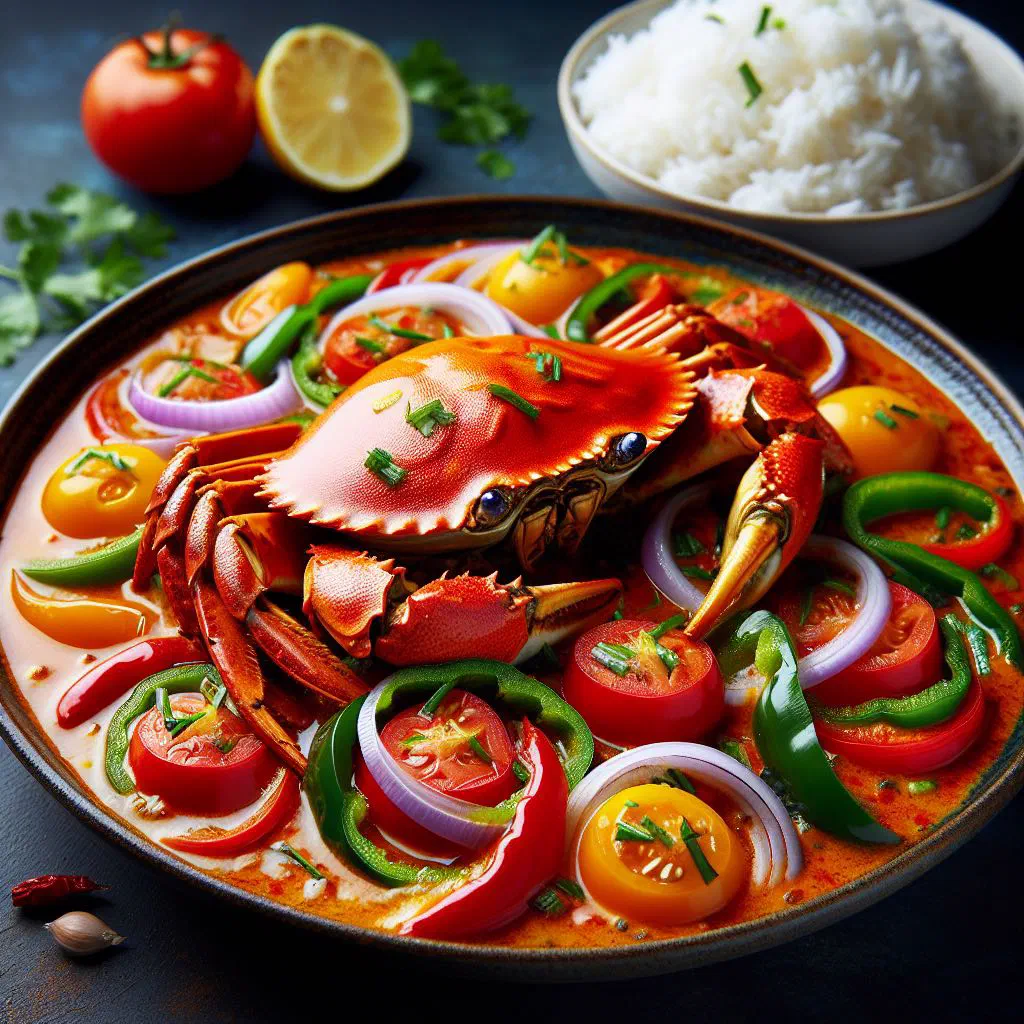
An appealing Crab Curry should not only taste good but look good too. Serve the curry in a beautiful, colourful bowl that brings out the hues of the ingredients. A little fresh coriander on top and a wedge of lime on the side make the dish even more inviting. To create a lovely atmosphere, arrange the curry alongside some rice or Roti on a rustic wooden board for a real taste of Sri Lankan dining.
A bit of history
Crab Curry has its roots in traditional Sri Lankan cuisine, shaped strongly by the country’s coastal setting. Even in ancient times Sri Lanka was renowned for its spices and fresh seafood. The use of shellfish in the kitchen has a long tradition reaching back to the colonial era, when many different cultures brought their culinary influences to the region. Preparing a crab curry reflects the diversity and richness of the gastronomic traditions found throughout Sri Lankan cuisine.
More recipe ideas
Summary: Crab Curry
All in all, Crab Curry is a delicious and authentic dish that brings together the varied flavours of Sri Lankan cuisine. With the right preparation and good-quality ingredients, you will enrich your table and impress your guests. The base remains full of flavour and an experience in its own right. Give this recipe a try and discover the remarkable variety and richness that Sri Lankan cooking has to offer.