National Dish Sri Lanka: Fish Curry (Recipe)
In this article
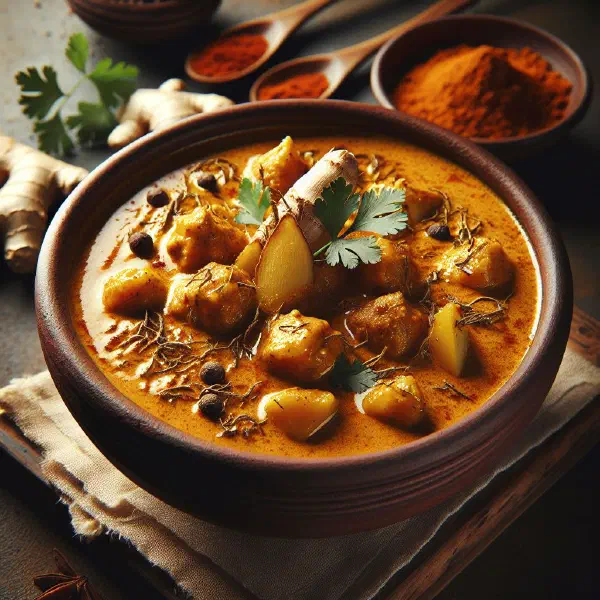
Discover fish curry, the dish that captures the soul of Sri Lanka’s island kitchen. Fresh fish simmered in a fragrant coconut sauce, lifted by warm spices and a whisper of green chilli, this is a plateful of coast and sunshine. With the sea lapping at every side of the island, the day’s catch has always taken pride of place at the table. Bring those exotic aromas into your own kitchen and let each spoonful carry you a little closer to the tropics.
About Fish Curry
Fish curry is far more than just another meal in Sri Lanka; it is a symbol of the country’s rich culinary tradition. The perfect balance of fresh fish, aromatic spices and the creaminess of coconut milk turns this dish into a memorable experience. More often than not it is a tribute to the abundant seafood pulled fresh from the waters that ring the island. Every mouthful brings the exotic flavours of Sri Lanka a little closer and sets any food lover’s heart racing.
Ingredients (serves 1–2)
- 300 g fresh fish (such as pollock or tuna)
- 1 tin coconut milk (400 ml)
- 2 tablespoons curry powder
- 1 onion, finely chopped
- 2 cloves garlic, chopped
- 1 piece of ginger (about 2 cm), grated
- 1 green chilli, deseeded and chopped
- 1 teaspoon lemon juice
- Fresh coriander leaves, to garnish
- Salt to taste
- Pepper to taste
- Oil for frying
- Fragrant rice, to serve
Shopping for the ingredients
When shopping for the ingredients for your fish curry, pay particular attention to the freshness of the fish. Visit local markets or a trusted fishmonger who offers fresh produce to get the very best results. It is also worth choosing a good-quality coconut milk, as it contributes so much to the flavour of the finished dish. Most of the other ingredients should be easy to find, though fresh coriander can occasionally be a challenge, so take a little time to pick out the best herbs.
Preparing the dish
Preparing the fish curry is straightforward, as long as you have everything ready in advance. Start by cutting the fish into bite-sized pieces and making sure the other ingredients, onion, garlic and chilli, are well prepared. Mixing the spices at the outset helps the aroma spread evenly through the pan. Then heat a little oil in a pot to bring all the flavours together in a fragrant base.
Step-by-step instructions
- Heat the oil in a large pot over a medium heat.
- Add the onion, garlic, ginger and green chilli and fry until softened.
- Stir in the curry powder and cook briefly to release its aroma.
- Pour in the coconut milk and bring to the boil.
- Gently add the fish and cook until just done — this takes about 5–7 minutes.
- Season to taste with salt, pepper and lemon juice.
- Garnish with fresh coriander and serve hot, ideally with fragrant rice.
Gluten-free / lactose-free version
Unlike many other dishes, fish curry is naturally gluten-free and lactose-free, provided you choose the right ingredients. Use vegetable stock or water instead of stocks that contain gluten, and make sure the coconut milk has no added extras. Before adding any liquid, it is wise to check the ingredient list to rule out unwanted sources of gluten. That way anyone avoiding gluten or lactose can enjoy this delicious dish too.
Tips for vegans and vegetarians
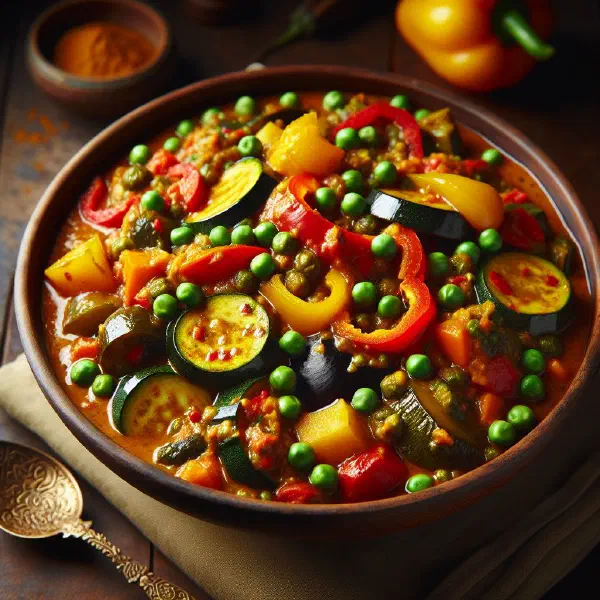
For a vegan or vegetarian take on the fish curry, simply swap the fish for tofu or vegetables. Tofu soaks up the flavours of the spices beautifully and gives a similar texture. Alternatively, reach for seasonal vegetables that cook nicely in coconut milk, such as aubergine, courgette or carrot. These options are tasty and nourishing, and they make an excellent base for a satisfying meal, much like a plant-based Mixed Vegetable Curry.
More tips and tricks
A few simple touches can make your fish curry even more delicious. Experiment with different spices such as turmeric or cumin to add extra layers of flavour. Let the curry rest for a few minutes after cooking so the aromas have time to develop. Serve it hot and freshly made to show the flavours off at their best. It is also worth adding fresh herbs like coriander or mint only just before serving.
Adapting the recipe to your taste
Everyone has their own preferences, and the same goes for a fish curry. If you like it hotter, add more green chillies or even a little red chilli paste. For a more exotic note, stir in a dash of tamarind paste, which brings an intriguing sourness into play, as it does in a Tamarind Fish Curry. You can also vary the type of fish depending on what is available or freshest in your area. The joy of cooking is that you can play with recipes and shape them to your own wishes.
Ingredient substitutions
If you cannot find some of the ingredients for your fish curry, there are always alternatives. Instead of freshly caught fish, you can use frozen fish, which is widely stocked in most shops. If coconut milk proves hard to come by, a mixture of cream and water is a possible stand-in, though the flavour will differ a little. Other vegetables such as spinach or beans also work very well as alternative ingredients and bring their own textures and flavours to the dish.
Drink pairing ideas
To round off the fish curry perfectly, several different drinks make good partners. A lightly chilled, fruity wheat beer pairs wonderfully with the flavours of the curry. A slightly sparkling rosé can also support the flavour combination pleasantly. For alcohol-free options, a freshly pressed lemonade or an ice-cold peppermint tea makes a refreshing choice. Feel free to experiment to find the pairing that suits your palate best.
Serving and presentation ideas
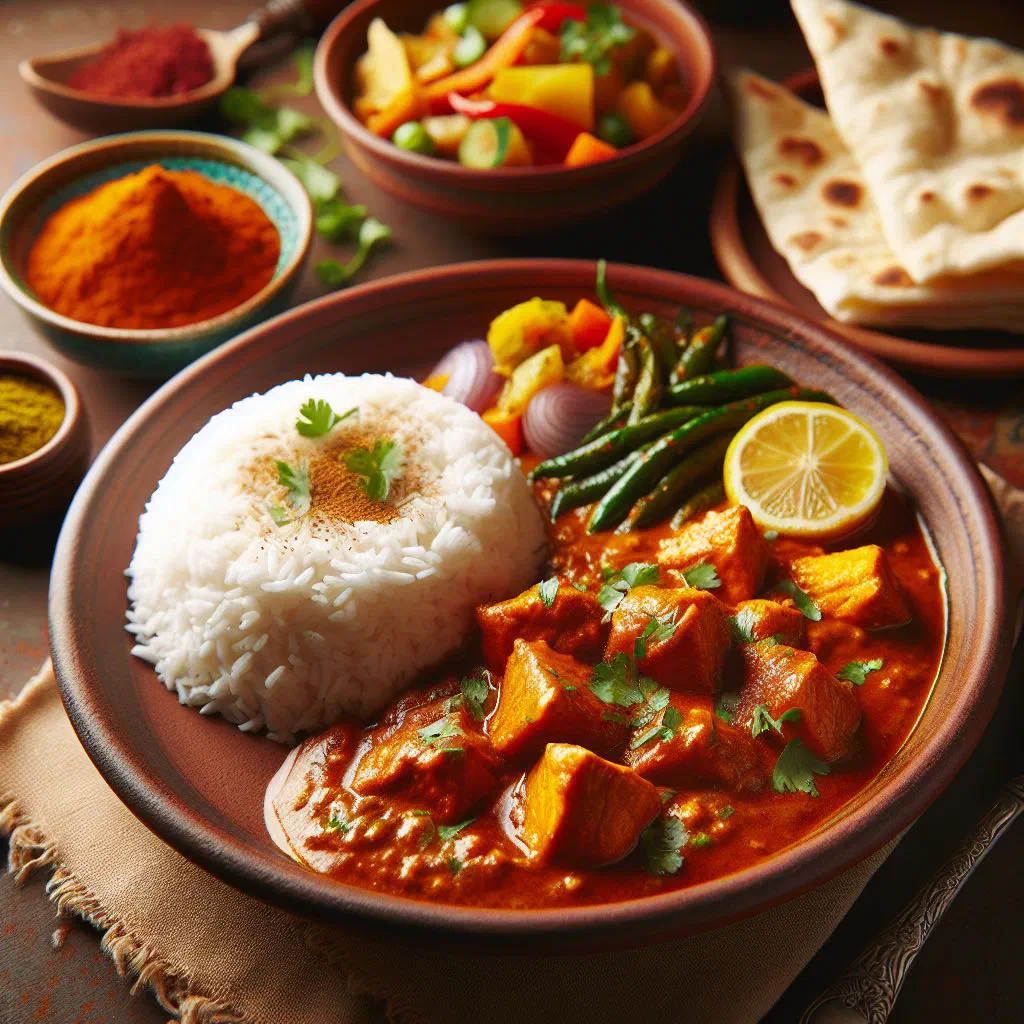
Presentation plays a big part when it comes to serving a dish like fish curry attractively. Use decorative bowls or plates to arrange the curry appealingly. Garnish with fresh coriander leaves and a wedge of lime to add a splash of colour. Serve it with small bowls of rice or roti alongside to create an inviting spread, much like a traditional plate of Rice and Curry. A scattering of toasted coconut on top or a few colourful pieces of vegetable can add extra visual appeal.
A bit of history
Fish curry has a long and eventful history, rooted deep in the culture of Sri Lanka. It reflects the influences of the many communities and trade routes that have shaped the island’s cooking over the centuries. The dish has evolved through different methods of preparation and countless regional variations, with each area lending its own unique style. From the coastal regions that supply the freshest fish to the hill country where spices and herbs flourish, fish curry is a culinary heritage well worth discovering as part of the wider Sri Lankan cuisine.
More recipe ideas
Summary: Fish Curry
Fish curry is a must for anyone who wants to get to know the flavours of Sri Lanka. With its fresh ingredients, distinctive spices and the creamy texture of coconut milk, it enriches any meal. The preparation is straightforward and allows for countless variations to suit personal taste. One thing is certain: your fish curry will pleasure everyone at the table and keep them coming back for more.